

Out-of-court workouts can boost odds of a ‘retail rescue’
Retail executives strive to give their customers a compelling value proposition. But in today’s volatile economy, it can be just as important to zero-in on the value proposition for a different audience — the investors, banks and private equity firms that might swoop in to rescue the company if it falls on hard times.
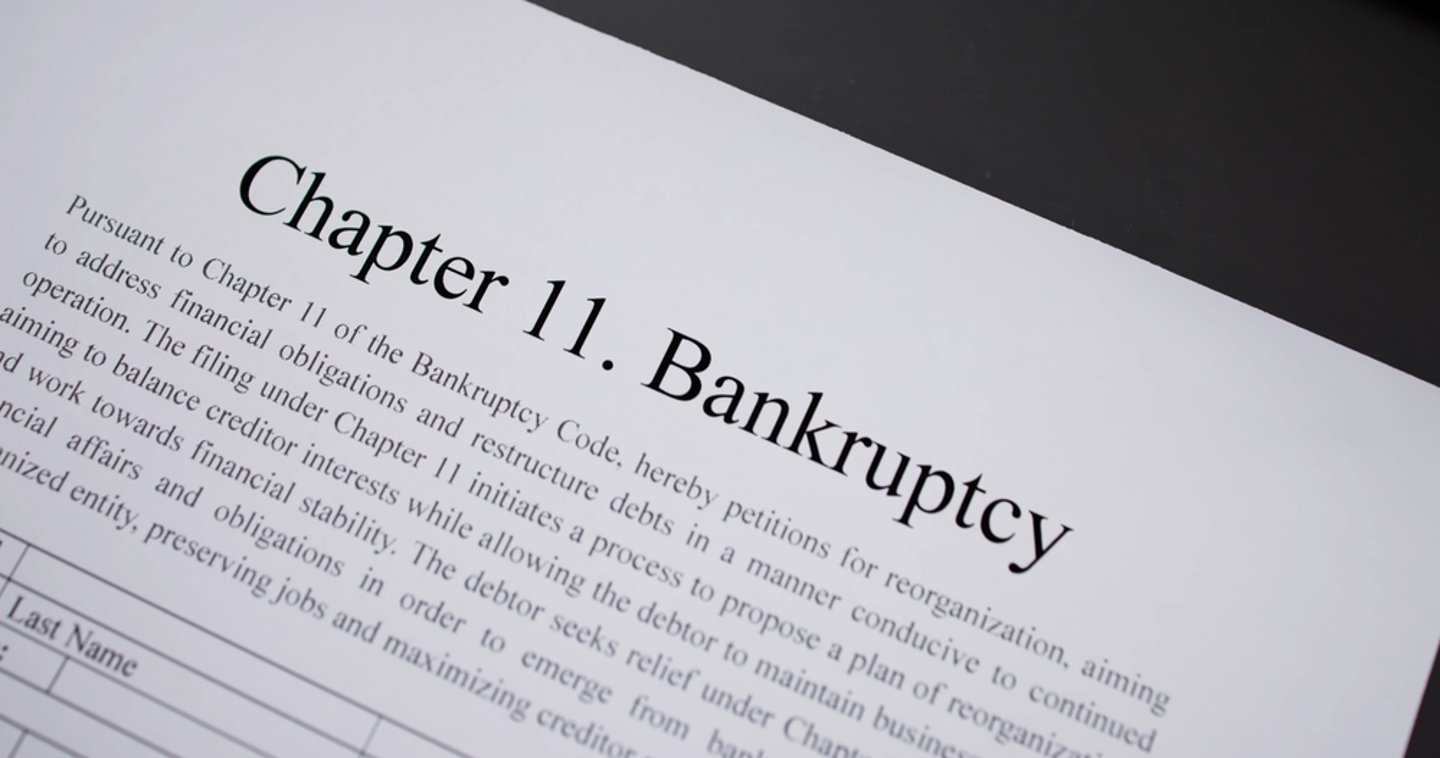
Company saving buyouts and recapitalizations certainly can happen as part of a Chapter 11 bankruptcy restructuring, but lenders and investors are increasingly wary of putting their capital at risk in this way. They have seen how hard it can be these days for companies to survive after filing for bankruptcy. The liquidations of Rite Aid, Party City, Big Lots, Joann Fabrics, Rue 21, Forever 21 and Bargain Hunt are a case in point.
It is also clear that Chapter 11 is becoming inordinately expensive for retailers and their creditors. Nonetheless, retail rescues and successful turnarounds are still possible. By making tough choices upfront to consolidate operations, close stores and cut costs as part of an out-of-court workout, distressed companies can significantly increase their appeal to investors
A non-bankruptcy restructuring avoids the high costs of an in-court process and allows the retailer to handle its turnaround effort without the intense media glare created by a Chapter 11 filing. It is a good option for a wide array of multiunit operators, including regional and national retail chains, franchised health-and-wellness concepts and various food-and-beverage tenants.
Here are three tips for maximizing the results of your out-of-court restructuring:
Make tough decisions now
In the years prior to COVID-19, locations near downtown office towers were perfect for many multi-unit franchisees, such as boutique fitness studios, lunch-oriented sub shops and grab-and-go salad concepts.
When remote work cratered traffic in these intown areas, the right move was to act immediately to lower the company’s occupancy costs, whether by renegotiating leases or terminating them. Instead, many hesitated, which is understandable; nobody wants to shut stores or issue pink slips to valued managers and employees.
To survive over the long term, though, retailers with underperforming locations need to be both proactive and aggressive. Painful as it can be, it is better to make tougher cuts now than to be too passive and fall short of what is needed to stay viable.
Start a dialog
In a Chapter 11 process, leverage shifts away from the landlord, because the debtors/trustee have wide latitude to assume or reject leases, with court approval. By comparison, lease renegotiations in an out-of-court restructuring can be more challenging to execute. Nonetheless, third-party real estate restructuring professionals routinely secure millions of dollars in lease savings on behalf of retail clients, even in out-of-court workouts.
One of the keys is to be calm, rational and (within reason) transparent in these negotiations. Your real estate advisors should come to the table armed with the financial histories of the company, the landlords and the locations involved, along with market data such as the trajectory of individual submarkets and shopping centers.
It is also critical to develop the right strategy and “ask” of the landlords. Some owners insist on receiving full rent in perpetuity, along with scheduled rent increases, and are unwilling to talk, but the vast majority are willing to listen. They understand the importance of maintaining a healthy tenant roster and positive customer experience at the center, with tenants that can bring their “A game.” Company collaboration as part of this process is vital.
If you present landlords with a clear, strong case and lay out the reality of your financial situation, they are likely to negotiate in good faith. Their goal is to make improvements that will help them avoid a worsening problem down the road, such as a cascade of vacancies at the property, or incurring all the costs associated with replacing you as a tenant.
When retailers and their advisors open a dialog with landlords, valuable information often emerges. For example, maybe the landlord is eager to redevelop the property and is willing to negotiate to secure your consent, per the lease, to bring in the bulldozers. Or the landlord might want some additional space that you can provide in exchange for lower occupancy costs. In other cases, the landlord’s goal might be to show lenders full occupancy and several newly inked, long-term leases in the runup to a refinancing or sale. You might be willing to do that deal — in exchange for better terms.
Many different bargaining chips are possible. For example, retailers could leverage negotiations involving lease extensions and percentage rent agreements, or non-monetary lease provisions such as non-compete restrictions, co-tenancy clauses, or permission for the landlord to do construction in the property’s “no-build” zones. But as the saying goes, “You can’t win if you don’t play.”
Present a cohesive front
In a Chapter 11 bankruptcy, the whole world understands a retailer’s dilemma. In an out-of-court restructuring, retailers need to avoid the impression that they are merely “dialing for dollars.” They can strengthen their position with landlords by making sure they understand that the company has conducted a comprehensive portfolio review and has launched a multi-location push to reduce occupancy costs.
This needs to accompany a fully corporate cost-cutting program that includes:
- Modifying vendor terms and pricing;
- Reducing head count;
- Scrutinizing supply chain logistics and costs;
- Reviewing opportunities to get out from under warehouse and office leases; and
- Maximizing value for fee-owned properties as well as valuable leases with remaining
term.
Having third-party real estate advisors as the face of this effort helps convey a sense of urgency. Landlords see that something much larger than a one-off negotiation is underway. In addition, in an out-of-court process, the real estate restructuring firm can use its manpower, expertise and resources to tackle multiple locations at once.
Ideally, the non-bankruptcy restructuring will reinvigorate the company and align its portfolio to the current market conditions, as well as its own operating performance and the broader consumer environment. However, if courting an acquisition or recapitalization in Chapter 11 does prove necessary, outside money will have significantly more interest now that the retailer has created higher EBITDA and shown that it has strong, proactive leadership — a C-suite willing to make tough decisions and execute the initiatives needed to right the ship.

Tony Grant is a senior managing director at A&G Real Estate Partners. During his more than 20-year career, he has negotiated more than $500 million in lease savings on behalf of retail, restaurant and fitness operators; [email protected].