
Middle East conflict: Impact on logistics
Recent freight disruption is uneven by mode, and it’s important not to conflate operational noise with where the real cost impact is building.
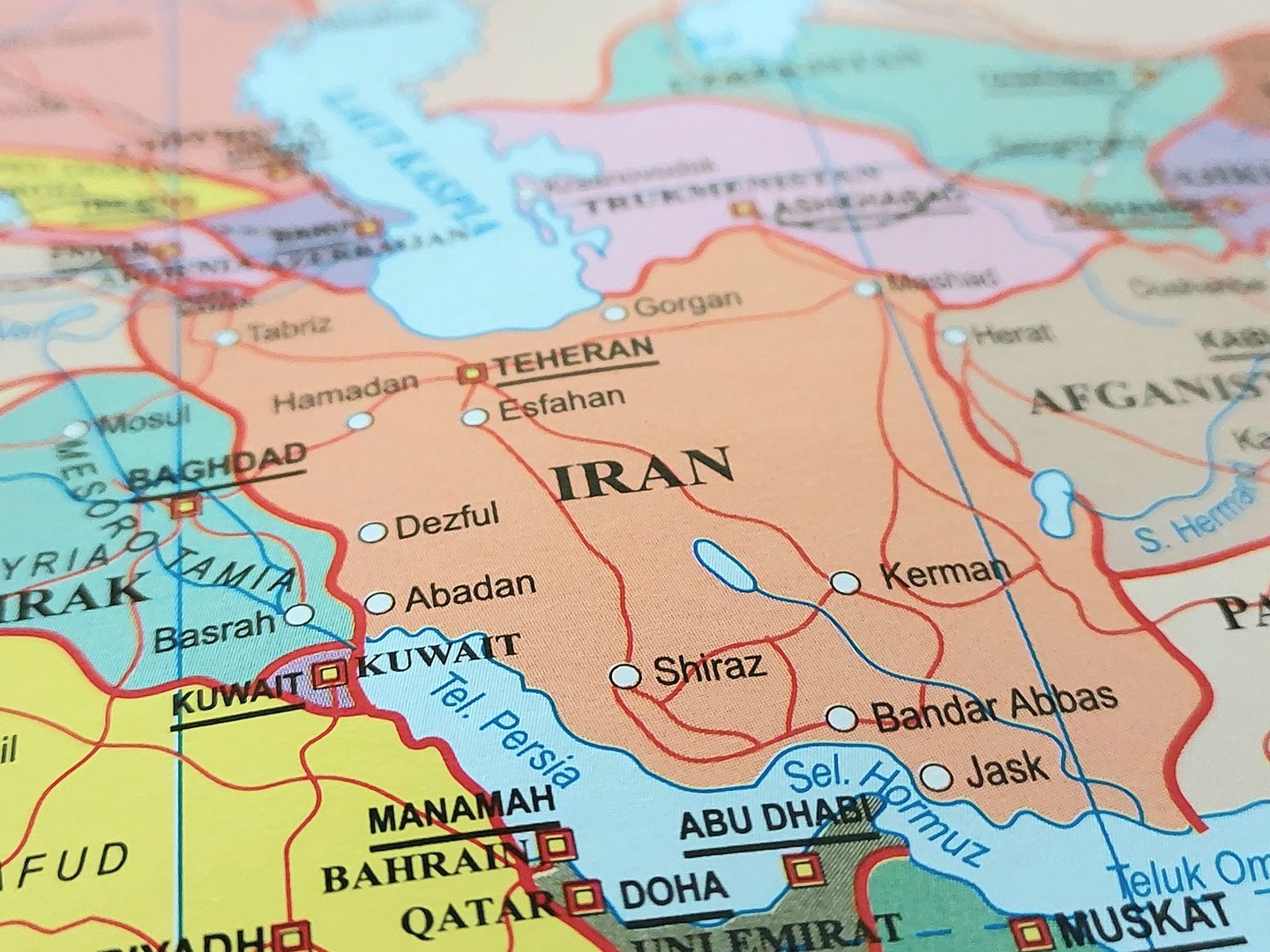
Ocean freight rates have increased mainly out of China, linked in part to China’s role as a key buyer of Iranian oil in recent years. With Iran restricted in who it can sell to, China benefited from heavily discounted volumes, and any disruption or heightened risk in these flows is now feeding into Chinese export pricing and capacity dynamics.
By contrast, ocean lanes between Europe, the U.S. and Latin America remain largely unaffected for now. While some carriers are attempting to introduce “war surcharges” on lanes with no direct exposure, shippers should push back firmly and ensure pricing reflects actual risk, not opportunism.
From an operational standpoint, ocean freight remains manageable. Rates are still materially lower than in recent years, open tenders are coming back reasonably well, and after years of disruption in this region the industry has learned how to operate around instability.
Hopes of a return to shorter and cheaper transit times via Suez have faded, but carriers such as Maersk and HapagLloyd, already structured around Cape routing, are performing strongly, with exceptionally high schedule reliability into ports like London Gateway.
Air freight, however, is already feeling real pressure. Expect tighter space, higher load factors, and rate increases on lanes touching the Middle East as capacity is rerouted or withdrawn. On some trades the impact is significant. For example, India–U.S. air freight capacity is down by roughly 25%, forcing flows via European hubs or across the transpacific. This is where prioritization of critical cargo and early securing of alternatives really matters.
The real “hangover,” however, does not primarily come from ocean rates. It comes from energy. Rising oil prices will push BAFs higher and feed directly into diesel driven road freight and parcel networks. Because fuel is typically treated as a floating element in these contracts, cost increases flow through to customer invoices quickly and quietly often within days. Any short-term relief from a weakening USD for European importers is likely to be offset by higher underlying energy costs.
Right now, we are seeing disruption like there’s no tomorrow. Tomorrow will come, but the pain won’t be in ocean freight. It will arrive as a delayed, silent, fuel-driven cost hangover that works its way straight into P&Ls and, ultimately, end customer pricing.

Karin Ström is VP at Proxima at procurement and supply chain consultancy Proxima, part of Bain & Company.