Data & Analytics

  • Food stamp cuts could cost retailers $70.7 billion

    Proposed cuts in food stamp benefits could cost the the retail industry billions — with supermarkets and discounters taking the biggest hit.    AlixPartners estimates that retail collectively stands to lose $70.7 billion during the next 10 years if the proposed cuts in the Supplemental Nutrition Assistance Program (commonly referred to as food stamps) turn into reality, CNBC reported. The budget proposed by the Trump administration calls for $191 billion in cuts to the program between 2018 to 2028.  
  • Home decor retailer cuts Q1 loss; online continues to grow

    Pier I Imports reduced its loss in the first quarter amid a boost in its gross margin and other operational improvements.   Pier 1 reported its first-quarter loss narrowed to $3 million, or 4 cents a share, from $6 million, or 7 cents a share, a year earlier. Its results beat expectations.   
  • Report: Staples to be split into three units

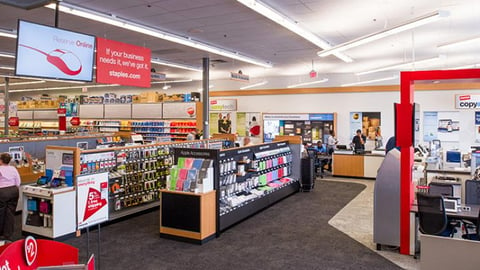
    Sycamore Partners has a plan for its newest retail acquisition, Staples.   The private equity firm, which purchased the office supply giant for $6.9 billion on Wednesday, plans to divide the chain into three separately financed units: U.S. retail; Canadian retail; and corporate-supply businesses, reported The Wall Street Journal reported. The three units will all remain under the same corporate umbrella.  
  • Analyst: New deal is ‘good compromise’ for Walgreens, Rite Aid — if FTC allows it

    The news that Walgreens is to scrap its $9.4 billion merger with Rite Aid is unsurprising. The glacial pace of the Federal Trade Commission investigation and increasing signals that the federal government would disallow the merger have forced a rethink.  
  • Five takeaways about the new Walgreens-Rite Aid deal

    The drug store industry awoke Thursday morning to arguably the biggest story of the year — the news that Walgreens and Rite Aid had agreed to scrap their original merger agreement one more time, this time in favor of a much smaller, seemingly more manageable deal to purchase 2,186 Rite Aid stores for $5.18 billion in cash.    In the first several hours following the announcement of the deal, Chain Store Age sister publication, Drug Store News identified five important takeaways from the blockbuster agreement. 
  • Engaging Customers with Personalized Videos

    To be competitive, retailers must have a strong digital marketing strategy to be seen and heard, attract new customers, and build stronger relationships with existing ones. Spending on digital advertising is on the rise. In 2017, U.S. digital advertising is on pace to surpass expenditures on TV ads. Globally, more than 40% of media advertising budgets in certain markets are devoted to digital marketing, according to media company Magna.  

  • Upcoming gift-card change could have bottom-line impact

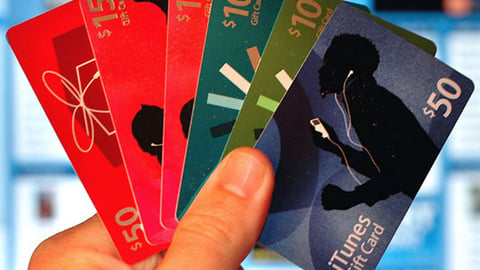
    An accounting change could give a big boost to retailers' earnings.   The new Financial Accounting Standards Board, or FASB, revenue-recognition rule (ASC 606) goes into effect for public companies in 2018. One of the major implications of the new rule involves how the unredeemed dollar portion of company-issued gift cards, called breakage revenue, is recognized, according to a report by MarketWatch. The change will impact everyone who issues gift cards, including both online and offline retailers.    
  • Consumer electronics giant partners with Amazon, Google

    Best Buy is looking to grab share in one of the hottest categories of the "smart" home market: voice-activated devices.   The retailer is adding Amazon Alexa and Google Home "experiences" to about 700 Best Buy stores nationwide. The new interactive displays will start arriving in stores in July, with the rollout complete by the end of the year.  In addition, there will be an enhanced online presence for the devices on Best Buy's e-commerce site.  
X
This ad will auto-close in 10 seconds