Supply Chain & Merchandising

  • American Eagle improves performance by refining footprint and merchandise

    American Eagle Outfitters didn’t exactly soar in the fourth quarter, but its low single-digit same-store sales increase was better than most and benefitted from recent store closures.

    Total company sales increased 3% to $1.11 billion and same store sales grew 4% after a flat performance in the fourth quarter the prior year. Earnings per share increased 17% to 42 cents from the 36 cents earned from continuing operations the prior year. The company expects its first quarter same store sales to increase in the mid-single digits.

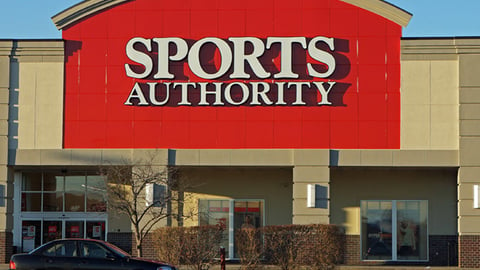
  • Sports Authority to close stores as online sales hurt business

    The Sports Authority on Wednesday filed for Chapter 11 bankruptcy protection and said it plans to close or sell as many as 140 of its 463 stores nationwide. The beleaguered company has struggled in recent years under increased competition not only from online players, but also from the likes of Dick’s Sporting Goods and specialty retailers such as Lululemon that have capitalized on the “athleisure” boom in fitness apparel.

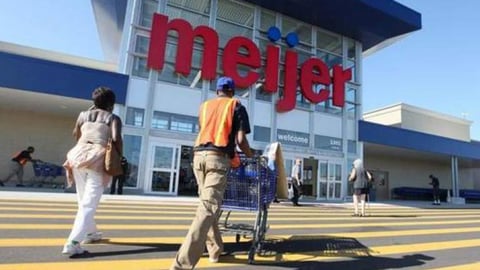
  • Meijer to spend $400 million on new stores, remodels

    Meijer will spend $400 million on store expansion and remodeling in 2016 as the chain looks to expand its footprint.

    The investment includes the construction of nine new Meijer supercenters and 32 remodel projects. While Michigan, Indiana, Illinois, Kentucky and Wisconsin will each welcome new Meijer supercenters later this year, dozens of other Meijer stores have begun or will soon begin remodel projects to further enhance the customer shopping experience.

  • Abercrombie turnaround continues with 30% jump in Q4 profit

    Abercrombie & Fitch's efforts to attract more shoppers with a better store experience and updated merchandise mix are paying off as the retailer reported an unexpected increase in same-store sales and a 30% increase in profit for the fourth quarter.

    Abercrombie said overall same-store sales rose 1% in the quarter ended Jan. 30, the first gain in the metric since the third quarter 2012. Analysts on average were expecting a decline of 0.10%. The gain in same-store sales was driven by a 4% increase in the Hollister division.

  • AutoZone moves into the fast lane in Q2

    Efforts to rework its distribution process netted big wins in the second quarter for AutoZone, which reported increases in same-store sales and profit.

    The auto parts retailer posted net sales of $2.3 billion for its second quarter ended Feb. 13, an increase of 5.3% from the second quarter of fiscal 2015. Same-store sales increased 3.6% for the quarter. Net income for the quarter increased 8% over the same period last year to $228.6 million, while diluted earnings per share increased 14.2% to $7.43 per share from $6.51 per share in the year-ago quarter.

  • Dollar Tree misses in Q4 despite sales boost from Family Dollar

    Dollar Tree on Tuesday credited sales at its Family Dollar division as helping to boost the company’s overall results for the fourth quarter. But the increase still fell short of analysts expectations.

    Sales for the quarter ended Jan. 30 totaled $5.37 billion, a 116.7% increase from the year-ago period but still less than expected. The boost in revenue was the result of $2.68 billion in sales from the Family Dollar segment.

  • Study: E-commerce fraud risk varies by location

    When it comes to fraudulent online transactions, one state in particular may warrant a little extra attention from retailers.

    Analysis of millions of 2015 e-commerce transactions by Experian indicates Florida is the overall riskiest state for billing fraud, followed by Delaware; Washington, D.C.; Oregon and California. Billing fraud states are determined by where the consumer whose information was illegally used resides.

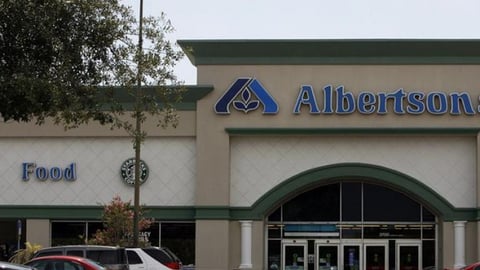
  • Albertsons sets goal for cage-free eggs by 2025

    Albertsons is joining other major retailers in working with its suppliers toward a goal of sourcing only cage-free eggs for its store operations.

    The company, among the first and largest in the conventional retail grocery sector to make such a commitment, is making the move not only as part of its ongoing commitment to animal welfare but also in response to customer buying habits.

X
This ad will auto-close in 10 seconds