
Mall Evolution: Upkeep now inseparable from brand perception
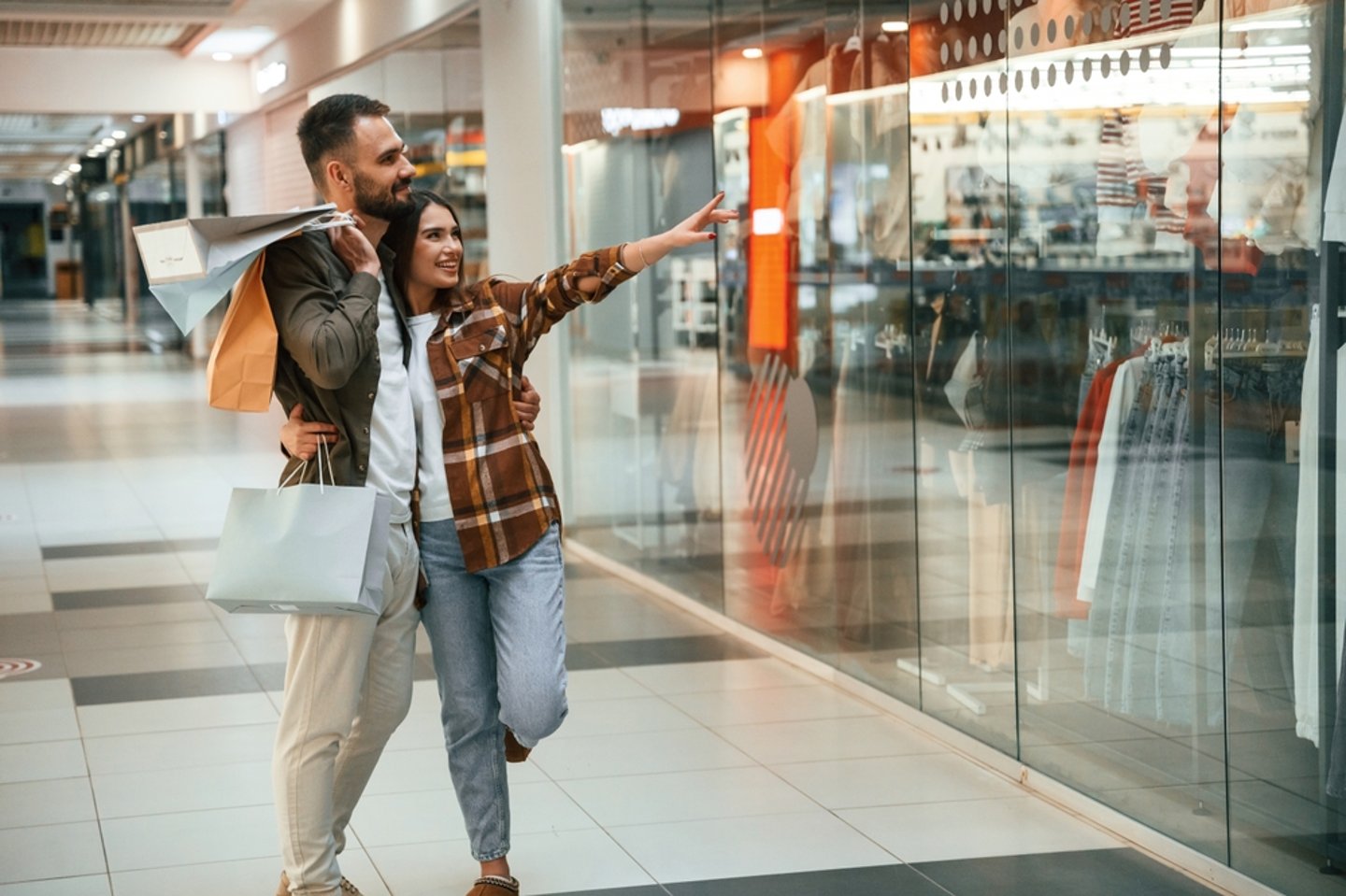
For years, analysts predicted that malls would fade into history. But new consumer data suggests the opposite. The American mall is adapting, not disappearing, as shoppers seek experiences that online retail cannot provide.
According to Accruent’s 2025 Retail Survey, 70% of consumers want to see more traditional malls, while 71% want more lifestyle centers that combine retail, dining and entertainment. Malls are once again becoming gathering places where people explore new brands, meet friends, and create experiences. They are also being reshaped into lifestyle destinations that reflect community culture and convenience.
This trend aligns with a wider return to in-person connection. A Harris Poll and Quad study found that more than three-quarters of Americans say physical retail experiences help them feel closer to people and brands. Even younger generations who grew up online are driving this shift. In a recent Spotify report, 61% of Gen Z respondents said they feel lonelier than they did 10 years ago. These findings reveal a clear opportunity: retailers that create welcoming spaces are meeting an emotional need as well as a practical one.
Cleanliness and Care Define the Experience
While many retailers focus on digital innovation, consumers are prioritizing the basics. Clean, safe, and well-maintained spaces now rank among the top factors influencing where people shop. Accruent’s research shows that 39% of shoppers notice store cleanliness first, more than layout, lighting, or displays.
More than half (54%) have left a store because of cleanliness issues, and 42% have walked out due to unpleasant odors. In total, nearly four in five shoppers have exited a store because of poor conditions.
The connection between upkeep and loyalty is equally strong. 86% of consumers say store maintenance influences whether they stay loyal to a brand. For almost half, the impact is significant. Shoppers interpret a clean and organized space as a sign that a retailer values quality and customer care. When standards slip, trust weakens quickly.
Shoppers Will Go Out of Their Way
Retailers often assume convenience drives every decision, but the data tells a different story. Eighty-five percent of consumers would travel beyond the nearest grocery store if another location was better maintained. Even 64% of convenience-store customers, whose visits are usually based on proximity, say they would go farther for a cleaner, better-kept store.
This willingness to travel highlights the new class of shopper priorities. Product availability and price still matter, but operational excellence now sits alongside them. When stores are bright, organized, and comfortable, they become destinations rather than quick stops. Facilities management is therefore emerging as a core driver of customer experience and competitive differentiation.
The Role of Maintenance
A consumer’s perception of a brand begins the moment they enter the physical space. Floors, lighting, air quality, and restroom upkeep all communicate care before a single product interaction occurs. If those elements are neglected, the experience cannot recover through marketing or pricing alone.
This reality places facility teams at the heart of retail strategy. They maintain the systems and environments that shape each customer’s first impression. Their ability to respond quickly to maintenance requests or proactively manage equipment determines whether the environment feels inviting or neglected. In many cases, these teams are also tasked with balancing sustainability goals and cost efficiency across multiple platforms.
When retailers integrate facilities data with broader store operations, they can make smarter decisions about upkeep, energy use, and repairs.
Consumers Want Fresh Formats
Modern shoppers are eager for variety and originality in their retail experiences. Fifty-nine percent of respondents in Accruent’s survey said they have visited a retailer specifically to experience a store-in-store concept such as Sephora inside Kohl’s. This approach brings multiple experiences together in one trip and adds discovery to routine shopping.
Consumers also want more local flavor in traditional malls. 34% say they would visit malls more often if they featured local shops rather than national chains, and 39% would go more frequently if unique restaurants were available. The next generation of malls will likely resemble lifestyle centers that combine big brands with community-driven experiences.
These findings indicate that consumers still value the convenience and excitement of in-person shopping, but they want something that feels curated and cared for. Experience is driving the trend. Retailers that align design, facilities, and maintenance around this expectation will be best positioned to win repeat customer visits.
Looking Ahead
The evolution of the mall is not about returning to the past. Designing spaces that meet modern expectations for comfort, cleanliness, and connection is especially important. Physical retail provides something online shopping cannot replicate: a sense of place and shared experience. As digital options continue to expand, the quality of the physical environment becomes even more important.
The Accruent 2025 Retail Survey reveals that upkeep is now inseparable from brand perception. Every shining floor and fresh scent communicates reliability. Every light that stays on and every repaired fixture signals attention to detail. When consumers associate those qualities with a brand, they come back.
Retailers who view facilities management as a strategic function rather than a background operation will gain a lasting edge. Clean, comfortable, and consistently maintained environments keep shoppers engaged and loyal. In a market defined by choice, the simplest details are proving to be the strongest differentiators.
Dave Harrington is the global retail solutions Architect at Accruent, where he helps leading retailers modernize their operations and unlock greater value from their physical assets. He has over 10 years at Accruent and deep expertise in retail technology and facility management.