Kohl’s shows signs of improvement in Q1; waiting on tariff refunds

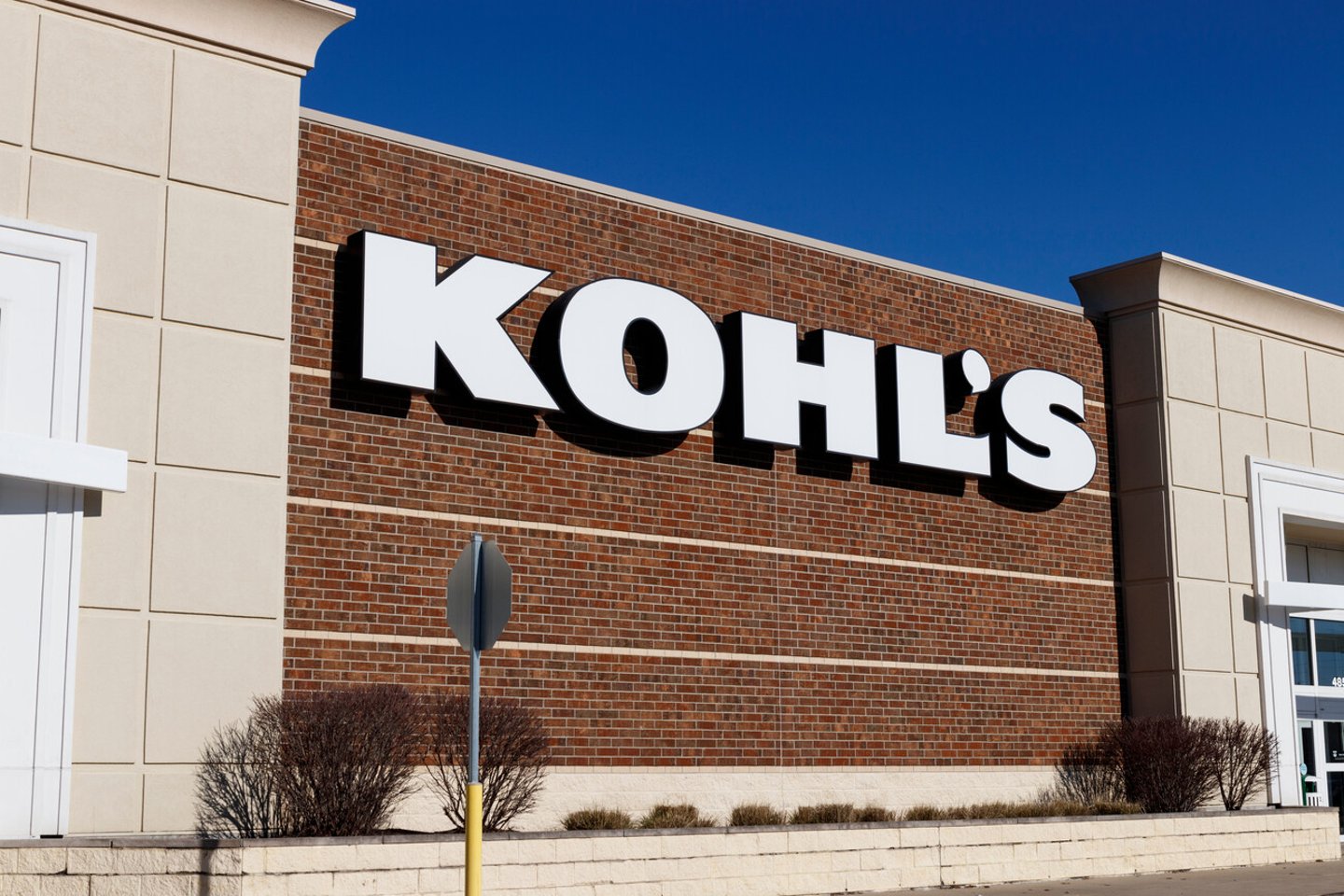
Kohl’s reported its best comparable sales performance in over four years and a narrower-than-expected loss amid cost controls and signs that its turnaround is beginning to take root.
As part of its turnaround strategy, the department store retailer has been accelerating its investment into proprietary brands, whose comparable sales increased 6% during the quarter. On the earnings call, CEO Michael Bender said the brands are "resonating with customers," particularly as "quality products, at an affordable opening price point."
“National brands are still very important and always will be, and that is part of the formula here at Kohl's is being able to offer, a rich national brand assortment along with, our proprietary brands,’ he told analysts. “But particularly against the backdrop now of the economy that we are working through, our proprietary brand portfolio is really resonating with customers.” We see that continuing going forward, and we think that is gonna be an important part of us to continue to focus on.”
The retailer has also been working to improve its in-store experience, including editing assortments to make it easier for customers to find what they want.
Tariff Refunds
Kohl's has submitted $140 million of claims related to the Phase 1 China tariffs it paid as importer of record. Kohl’s CFO Jill Timm said during the earnings call.
"The total tariff refunds we are eligible to receive is $190 million,” she added. "We did not receive any tariff refunds within the first quarter.”
First Quarter
Kohl’s reported a first-quarter net loss of $14 million, or $0.13 per share, for the quarter ended May 2, compared to a net loss of $15 million, or $0.13 per share, in the year-ago period. The analyst estimate was for a loss of $0.19 per share.
Operating income was $46 million compared to $60 million in the prior year’s quarter. The company attributed the drop in part to buying back some debt and increased investments in proprietary brands.
Revenue declined 1.7% to $3 billion, slightly ahead of estimates. Digital sales grew 4%, driven by greater traffic and investments in digital enhancements.
Comparable sales fell 1.1%. In the prior quarter, comparable sales dropped 2.8%.
Inventory declined 8% year over year to $2.9 billion. Selling, general & administrative (SG&A) expenses decreased 1.6% year over year, to $1.1 billion. As a percentage of total revenue, SG&A expenses were 36.2%, an increase of 15 basis points year over year.
“We are pleased with our start to 2026,” stated Bender in the earnings release. “Our key initiatives continue to drive progressive improvements to the business, resulting in our best comparable sales performance in over four years. In addition, we continue to manage the business with great discipline leading to strong expense management, cleaner inventories, and an improved balance sheet.”
Kohl’s reaffirmed its full-year outlook. It expects net sales and comparable sales to be in a range of down 2% to flat, with adjusted earnings per share of between $1 and $1.60.
In e-mailed comments sent to Chain Store Age, David Silverman, senior director, Fitch Ratings, said that Kohl's appears to be moving in the right direction with its mix of sales initiatives and efforts to control expenses and inventory.
"The company also benefits from its core assets, including a well-positioned store base, good digital infrastructure, and ample cash flow and liquidity," he wrote. "These strengths give Kohl’s the time and foundation to execute its turnaround plan in a highly competitive industry and amongst a volatile period of both consumer sentiment and cost inflation."
Kohl’s operates more than 1,100 stores in 49 states.

