
Keeping retail stores powered in an uncertain energy future
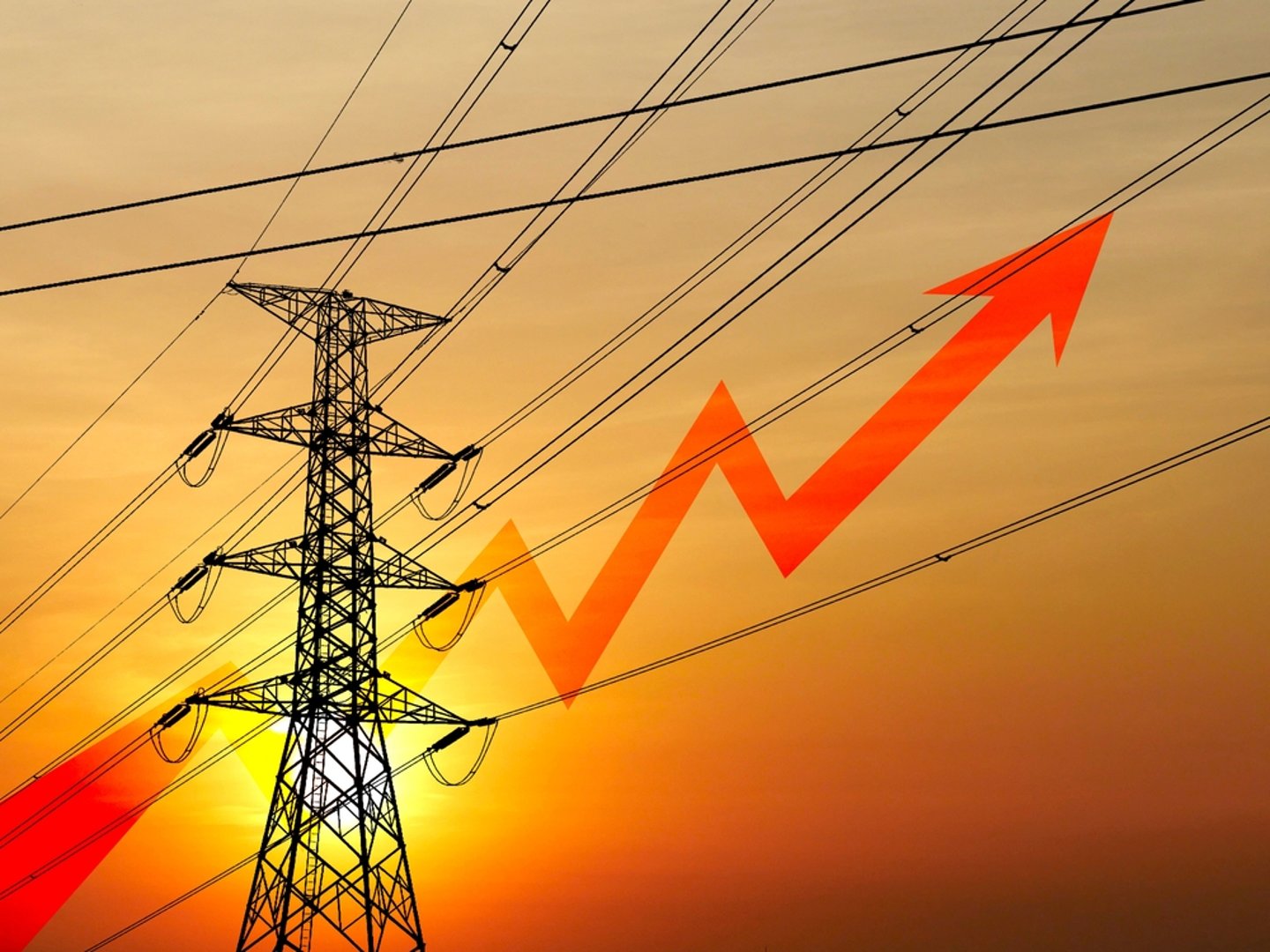
The U.S. power grid is under growing strain, with blackouts increasing in both frequency and duration.
The Department of Energy (DOE) has warned that, without meaningful additions of firm generation capacity, outages could become up to 100 times more common. This is an escalation that would have far-reaching consequences for U.S. businesses.
For retailers, especially those dependent on refrigeration, fueling and EV charging, these reliability challenges translate into financial risk. As a result, energy reliability has become as essential to daily operations as inventory management or workforce scheduling.
In response, today’s infrastructure pressures are accelerating a new era of on-site energy innovation in retail as businesses look for resilient, cost-effective solutions that ensure continuity regardless of how the broader grid evolves.
Understanding the Grid Challenge
The national grid was built for centralized power generation with one plant serving thousands of customers. Today, much of the nation’s infrastructure is decades old and no longer equipped to support modern demands, such as renewable energy integration and widespread electrification.
As transmission lines approach the end of their expected lifespan, communities face growing risks that span from outages and cyber vulnerabilities to infrastructure-related emergencies. These pressures are compounded by severe weather events and rapidly rising electricity demand driven by EVs, data centers and AI.
Achieving Energy Resiliency
Grocers, convenience chains and big-box stores face high stakes when outages occur.
Traditionally, the only backup power options were diesel and natural gas generators that could bridge these gaps. Today, there are more backup power options that can support a retailer's sustainability and resiliency goals.
Battery energy storage systems (BESS) combined with on-site solar energy generation are emerging as a viable solution for providing reliable, resilient backup power for mission-critical operations.
One advantage of solar plus storage systems is that batteries, for instance, offer immediate responsiveness to load changes, something conventional generators cannot match. This makes them a more efficient source of backup power. When paired with solar photovoltaics (PV), a BESS provides consistent, reliable power that keeps critical operations running during outages.
Real-world pilots are already demonstrating the viability of these solutions. Costco’s off-grid pilot shows the potential for large-scale adoption, while Chick-fil-A’s PV-plus-storage projects in the West illustrate how retailers are beginning to test more resilient, energy-independent models.
Microgrids and distributed energy sources (DERs) like solar and BESS can scale from individual stores to entire multi-site networks, positioning retail as an increasingly influential player in the nation’s evolving energy landscape.
Retailers’ warehouses and distribution centers represent an additional promising opportunity, as their proximity to transportation hubs and logistics networks makes them strategic sites for resilience and distributed energy integration, strengthening both local operations and the broader grid during disruptions.
The ROI and Strategic Value of Energy Resilience
While the ROI for on-site energy generation and storage is still improving day-by-day, the technology’s strategic value reaches far beyond direct financial returns. Retailers benefit from reduced generator runtime, lower fuel costs, strengthened sustainability performance, improved safety and increased community support during crises. Early adopters also stand to shape the future market and capture the advantages of incentive programs and cost declines as the technology becomes more widely adopted.
As a result, energy resilience is quickly becoming a fundamental component of operational excellence and a key driver of brand reputation.
Powering the Future of Retail
Grid instability has become a significant operational challenge for retailers, making on-site energy generation and BESS essential tools for ensuring power reliability and business continuity. Those who invest now will be better positioned to keep their doors open when others cannot, while leading the transition toward a more resilient and sustainable energy future.

Scott Childers is VP of essential power at Stryten Energy, a leading provider of stored energy solutions.