JLL: Three U.S. cities dominate high-street retail growth

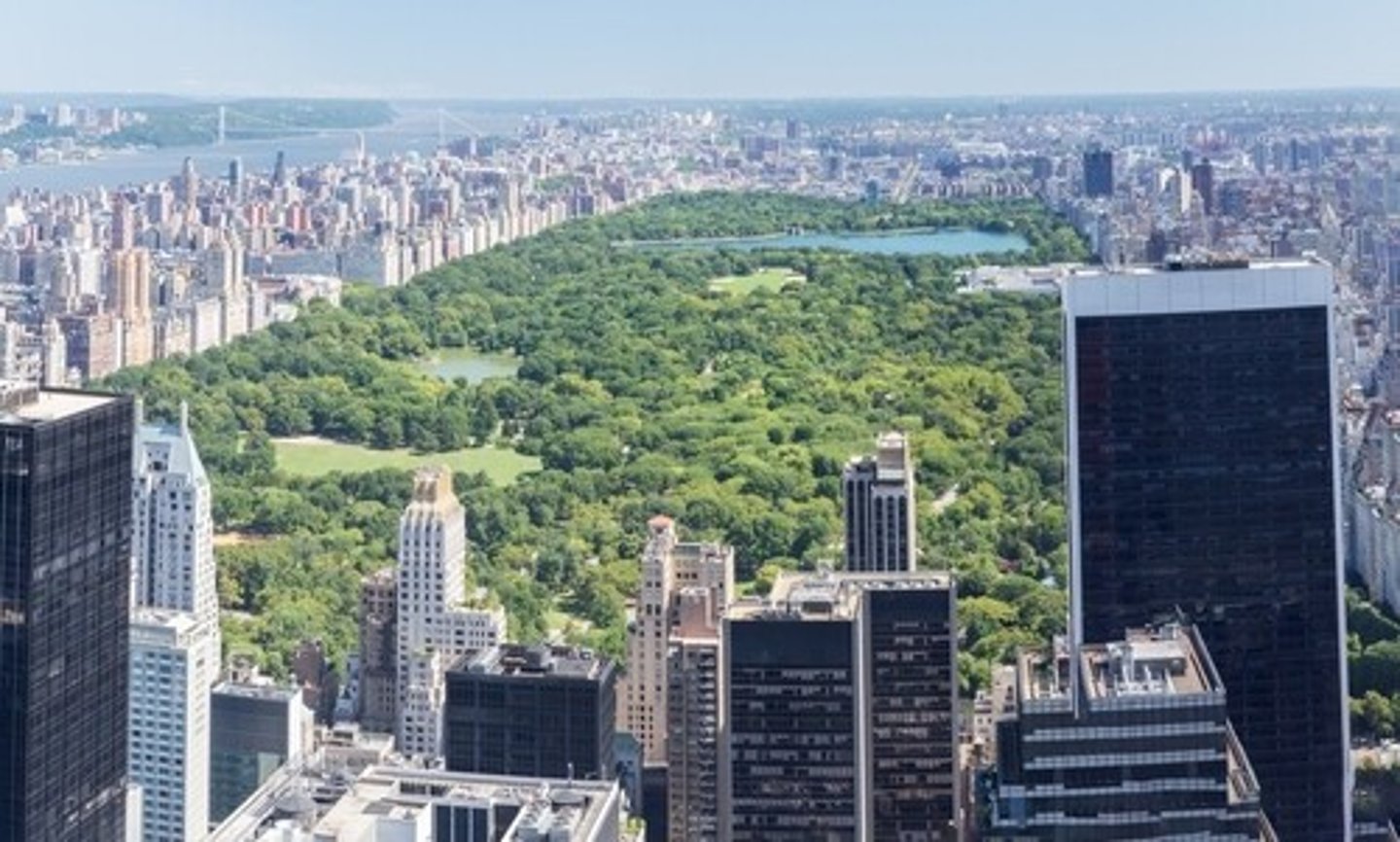
Prime urban retail is consolidating into a “winner-take-all” environment, dominated by three cities.
JLL’s latest “City Retail Report” revealed that New York, Los Angeles and Miami capture 60% of all notable retail expansion in prime urban corridors in the United States and Canada, and account for over 80% of luxury and “luxury-lite” openings.
New York City maintains its retail supremacy through sheer corridor depth, according to the report, with SoHo, Madison Avenue and Fifth Avenue each function as distinct luxury ecosystem. Los Angeles holds second place with the “Beverly Hills Triangle,” while Miami’s rise to third displaces Washington D.C., driven by the inclusion of Brickell and Coconut Grove, according to the report.
High-street retail investment surged 82% in 2025, the highest since 2015, the report found. Also, securing space on North America’s iconic shopping corridors remains a challenge, noted JLL, as vacancy rates on many prime stretches approach historic lows while asking rents soar. Fearing the risk of a future lease renewal or being outbid, retailers continue to “buy their way in,” the report said.
Securing space on North America’s iconic shopping corridors remains a challenge, JLL noted, as vacancy rates on many prime stretches approach historic lows while asking rents soar. Fearing the risk of a future lease renewal or being outbid, retailers continue to “buy their way in.”
Other insights from JLL’s 2025 “City Retail Report” are below.
•Apparel & accessories dominate across most prime urban retail corridors in North America, followed by dining. The exceptions are Washington, D.C. and Philadelphia, where dining is the strongest category and apparel & accessories secures second place.
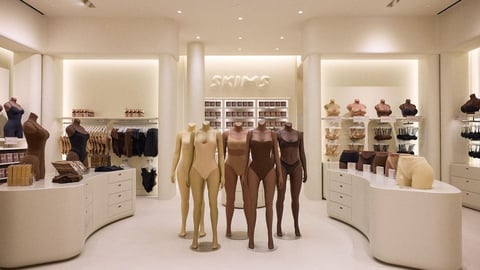
•Luxury captures the largest share of apparel openings in Miami, Toronto, New York, and Los Angeles, commanding premium square footage and flagship investments. High or premium has the most fashion openings in Vancouver, Boston and D.C.
•Casual and fine dining represent more than half of restaurant openings, outpacing bakeries, coffee shops, and bars/ taverns as operators prioritize experiential concepts and larger-format destinations.
•Major brands are buying (not leasing) prime corridor real estate as strategic necessity.