JLL: Net absorption of retail space doubled in 2025’s final quarter

At the close of 2025, retail chains became bullish in their pursuit of hard-to-find space.
In it’s just-released “Retail Market Dynamics” report for the fourth quarter of 2025, JLL states that net absorption in the retail real estate category declined in the first half of the year. But a net absorption of 11.9 million square feet posted by space-starved retailers in the fourth quarter was more than twice as high as it was in Q3, cancelling out the negative rate posted in the first three quarters.
And absorption levels are sure to remain high. The 7.1 million square feet of new retail construction projects that broke ground in Q4 were 44% lower than they were in the last quarter of 2024.
“The practical impact is a continued squeeze on supply,” noted the report from the global real estate services company. “In strong areas, tenants may have fewer new choices, which may push them toward existing centers or waiting longer for the right space.”
Rents in markets such as Charlotte, Nashville, Phoenix, and Orlando rose by 5% to 8% year over year, while average rent prices declined in Los Angeles, Philadelphia, and San Francisco.
General retail (freestanding spaces) continued to lead on absorption, posting the strongest gains and keeping vacancy extremely tight. Neighborhood and strip centers were also net winners, with positive but smaller absorption. Power centers are improving, but only modestly, with about half-a-million square feet absorbed.
Malls are the laggards. Though late-year leasing turned positive in this asset category and rents remained high, full-year absorption was negative (about -1.9 million square feet) and vacancy was materially higher.
Low supply of quality space
Rising construction costs and competition from alternative property types — multifamily developments, for instance — have made speculative retail construction less attractive, keeping new supply limited and supporting occupancy levels, according to JLL.
The average time to lease ticked up slightly to 7.6 months, which could be the result of a persistently low supply of high-quality space.
“In strong areas, tenants may have fewer new choices, which can push them toward existing centers or waiting longer for the right space,” noted the report. “For owners, this raises the value of well-located vacancies and makes upgrades and redevelopments more important.”
Leasing activity continues to lean towards smaller spaces. Nearly 70% of leases signed were for spaces of 2,500 square feet or less, and almost 90% of newly leased space was under 5,000 square feet.
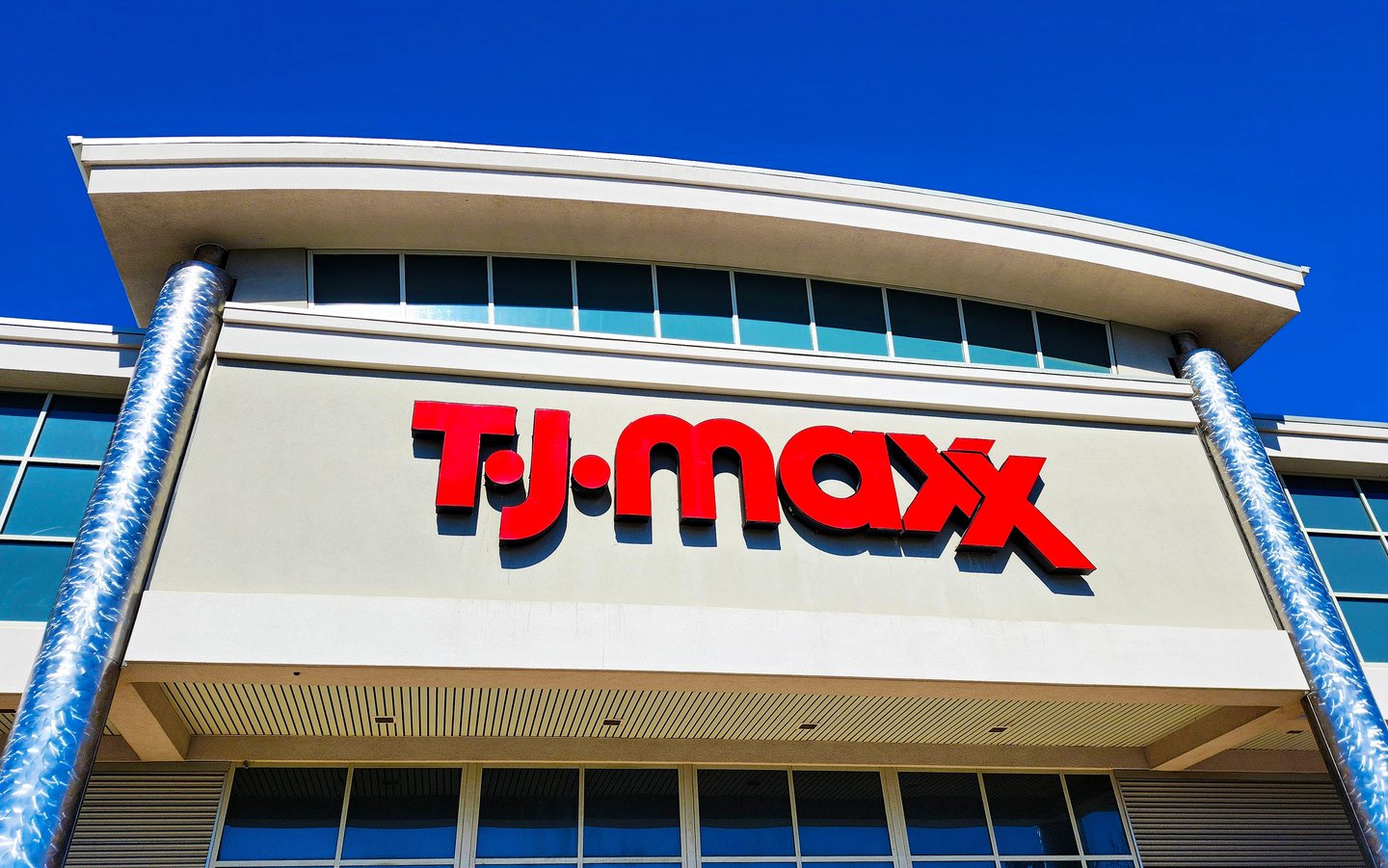
The top retailers leasing space in Q4 2025 included Crunch Fitness, Rural King, Planet Fitness, Burlington, TJX, and Kroger — a mix of value, everyday needs, fitness, and experiences.
JLL classified 2025 as a normalization period, with absorption just above flat levels.
“For 2026,” JLL posited, “leasing should continue, yet quarterly performance may vary as retailers stay selective and activity remains concentrated in re-leasing and backfilling existing space rather than new development.”