ICSC New York: The race for space

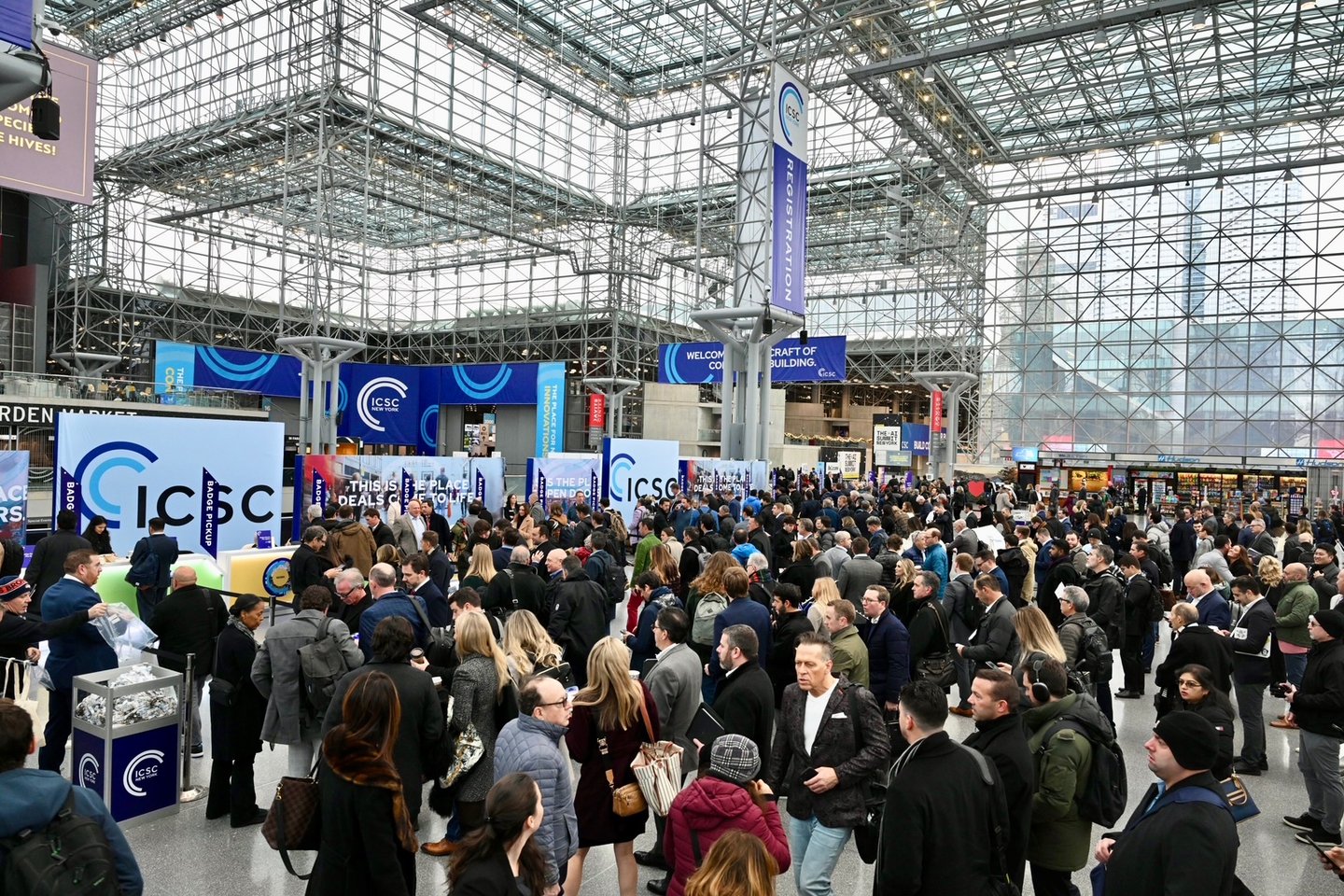
At 10:30 a.m. on the first day of the ICSC show at the Javits Center in New York, the steady stream of attendees flowing into the lobby resembled the rush one might witness a mile north at Madison Square Garden on the night of a Springsteen concert.
“It’s been a really difficult number of years for tenants that want to grow. The tenant wants to expand, but the developer doesn’t want to do the project if they don’t see the liquidity on the back end to be able the monetize the project or monetize it at the right number,” said Patrick Nutt, senior managing principal and co-head of national net lease at SRS Real Estate Partners. “Now everyone has a larger allocation for 2026 and 2027, and they are eager to spend the money.”
High activity at the show was demonstrated by brands ranging from discount stores to longtime mall tenants to luxury brands. Stephen Lebovitz, the CEO of mall developer CBL, told Chain Store Age that some of his biggest wins at the show were posted by legacy retailers.
“The Gap, American Eagle, Victoria’s Secret — some of our most tried and true retailers — are posting really strong results,” he said. “JCrew, Barnes & Noble, and Old Navy are doing several new deals. Barnes opened at our Sunrise Mall in Brownsville, Texas, and we had 500 people waiting to get into the store.”
At the Newmark booth, chairman of global retail Mark Masinter told us he had one meeting after another — some of the most interesting of which were representatives of luxury brands.
“From Hermes to Lulu to Cartier — every one of them are on a growth trajectory,” Masinter observed. “Not growth at any cost, but very thoughtful, targeted growth. They’re all trying to fill holes where they’re not meeting market demand.”
The luxe brands are not adding to their store counts, however. They are actually closing some stores and moving into downtown locations.
“They’re considering sites they wouldn’t think to go into 10 years ago,” Masinter noted. “And they’re going with standalone street locations in places like Houston, Nashville, and Austin. The mall isn’t the only place they’re going to go. In some cases, the street is the best place to express themselves.”
On the other side of the retail brand spectrum, discount stores like Burlington, T.J. Maxx, and Marshalls, too, have their expansion pedals to the metal.
“If they can find spaces that work for them, they need to get them. Half of our new leases are for discount and value brands,” said Levin Management Corporation CEO Matthew Harding. “It’s expensive to build out a Burlington store, to build out a Michael’s store. Cost and capital and, therefore, credit is important.”
Wait till next year
JLL’s president of retail advisory services Naveen Jaggi noted that the stampede of space-needy retail chain executives at the show were shopping for spaces they are looking to open in 2027, not 2026.
“Space deals for 2026 are done, and retail brands are about halfway through 2027 in terms of getting their pipelines filled,” said Jaggi. “Say you’re a non-credit retailer looking for a 5,000-square-foot space for a dress shop or a 3,000-square-foot space for a sandwich shop that wants to open as soon as possible. What’s the competition for that? It’s pretty stiff.”
Jaggi noted that the 50 million square feet of new retail space constructed in 2025 was 75% pre-leased.
“We’re expecting about the same amount of new space will be constructed this year, and we expect about the same amount of it to be pre-leased,” he noted. “And international retailers looking to come to the U.S. — and there are quite a few of them, by the way — are doing their due diligence two to three years out and are looking to tie up space for ’27 and ’28.”
Colliers manager of national retail research Nicole Larson said that her studies indicate that many brands are playing it safe and staying away from markets they had planned to enter earlier due to rising rents and landlords holding all the aces in open spaces.
“Landlords will tell a brand, ‘You want a store in Chicago? Well, first you’re going to open a store in our property in Salt Lake City. Then we can do that deal in Chicago,’” Larson said.
-
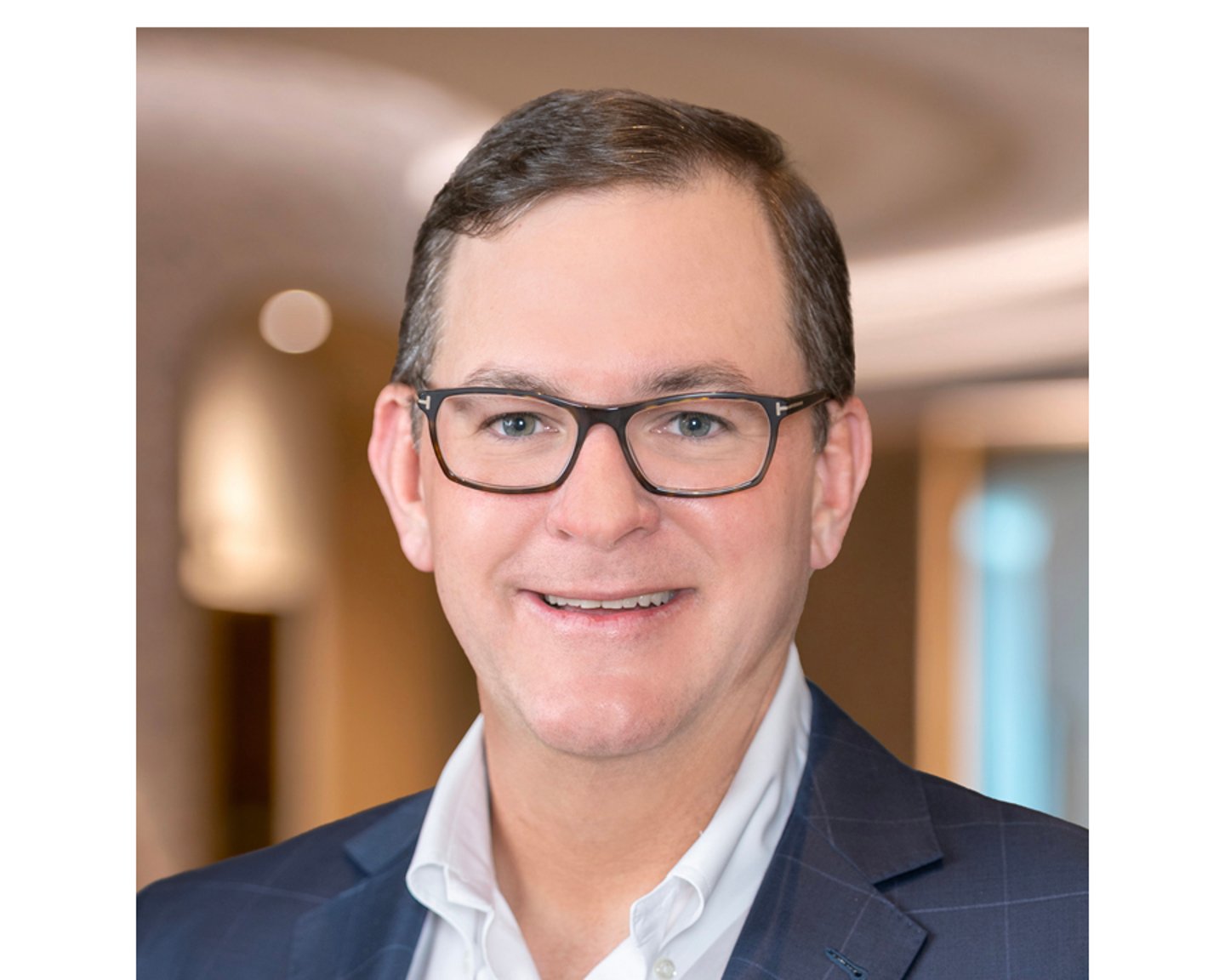 Patrick Nutt: "Everyone has a larger allocation for 2026 and 2027, and they are eager to spend the money."
 -
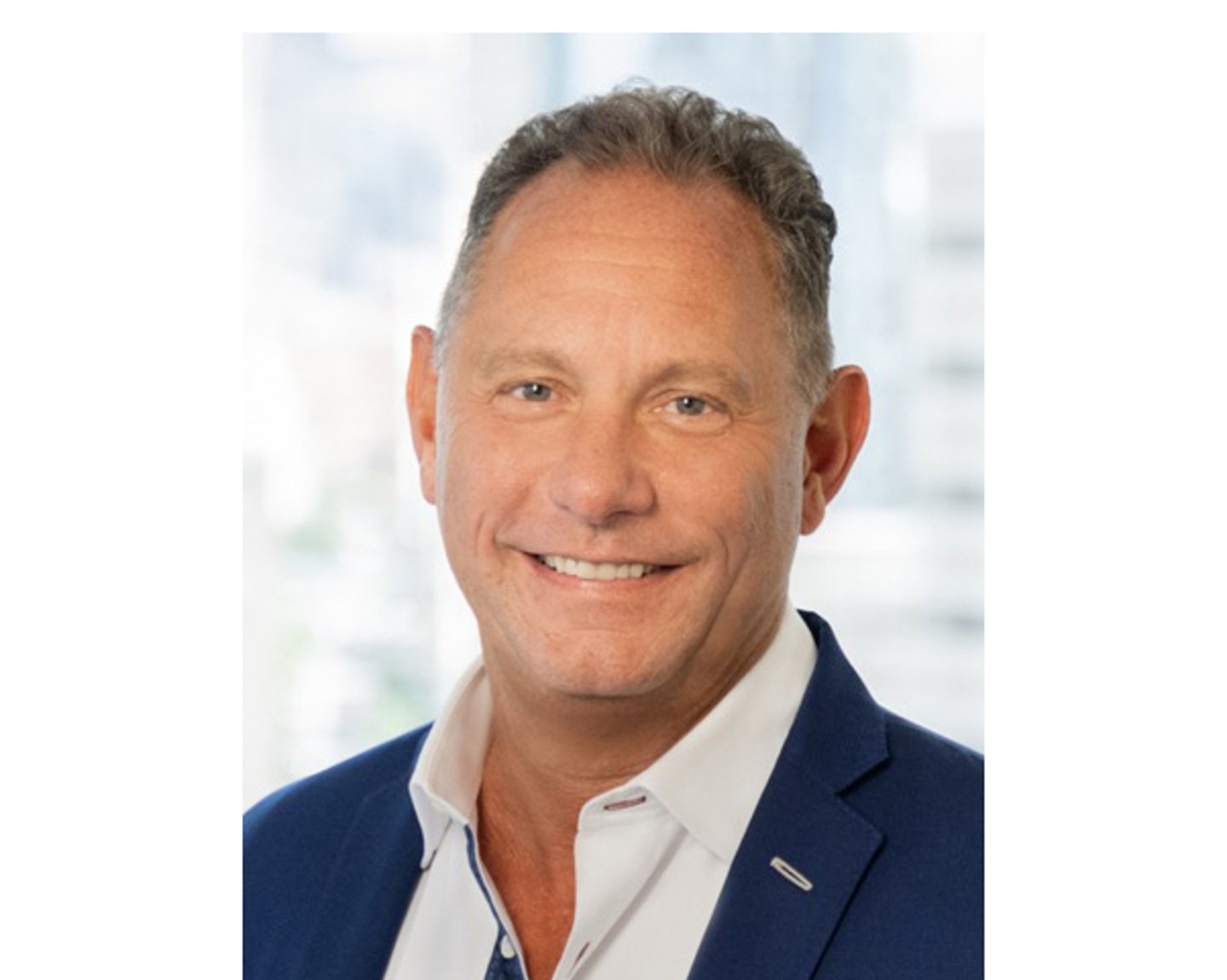 Michael Burden: "Growth through retail chain acquisition is a unique platform."
 -
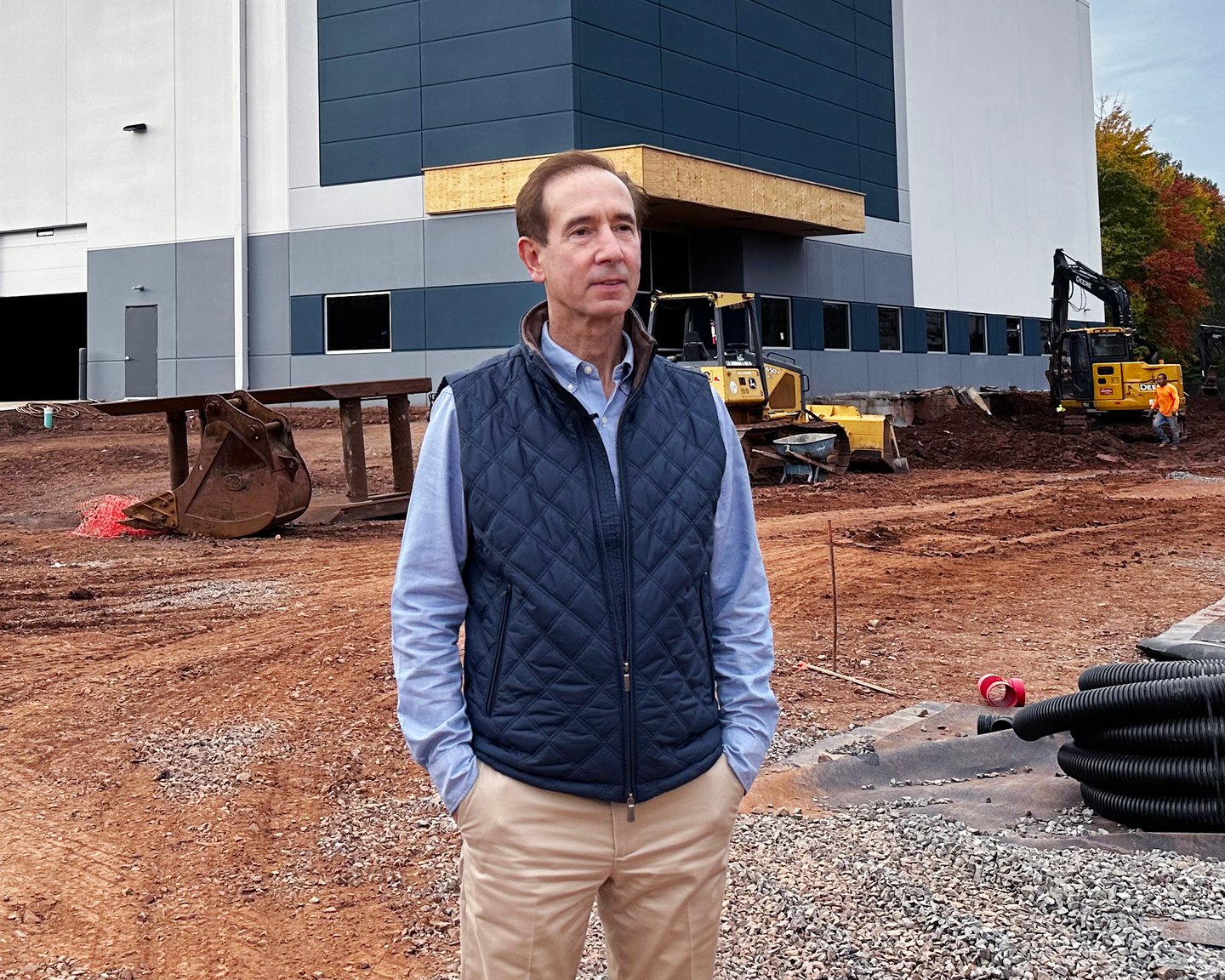 Matthew Harding: "If retailers can find spaces that work for them, they need to get them."
 -
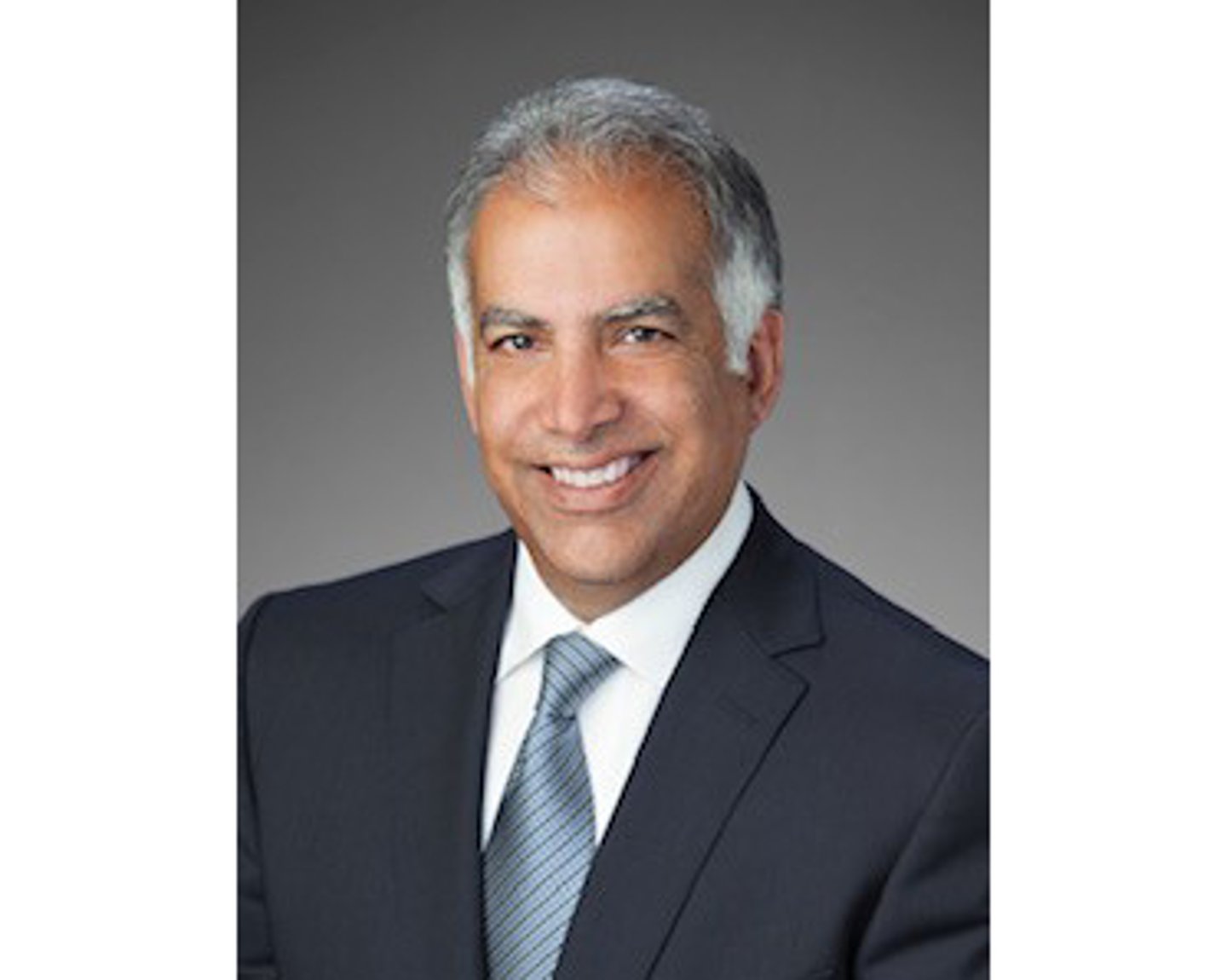 Naveen Jaggi: “If an asset owner tells you that he or she can give you a deal in ’27, ’28, ’29, you gotta go with it. You gotta go with it.”
Tertiary market? Sign me up.
Nearly all expanding retailers are establishing their brands in markets they had previously shunned according to Scott Schnuckel, the managing director of Americas Retail at CBRE who spent 19 years at Kohl’s, ending up as its head of real estate.
“Retailers are rushing into tertiary markets like crazy to attain affordable rents, though rents in those locations are a little higher than they used to be,” he said. “You used to hear retailers saying, ‘Next year we’ll do X amount of stores in this market and that market.’ Now you’re hearing them say, ‘Here’s what we’ll be doing over the next three-to-five years.’”
Consumer spending remains strong in smaller markets as well as big ones, he noted.
“It’s hard to look at the economic data and say everything is okay. Saving rates are down. Credit card debt is higher. All these things stacking up makes you want to say maybe we’re going to undergo some pain,” Schuckel observed. “But then you have a Q3 that was by all accounts one of the best retail quarters in a while.”
Mall makeovers
Malls that were diagnosed as being on their last legs, too, are being refreshed with vital brands that raise traffic and spending.
Terry Montesi, the founder and CEO of the Trademark Property Company, has remade malls to serve the needs of active consumers for more than 30 years. Recently, Trademark and its investment partner PGIM sold the Annapolis Town Center in Maryland following a years-long repositioning that brought in tenants such as Pottery Barn, Williams Sonoma, Sephora, Lifetime Fitness, and True Food Kitchen.
And last year at Galleria Dallas (one of Chain Store Age’s Top 10 Retail Center Experiences in 2025), Trademark opened one of the first Netflix House entertainment centers in the space of a vacated anchor. When Netflix House opened, traffic in the mall went up five to eight percent.
“Traffic has been up slightly overall, and sales are up more than traffic,” Montesi said. “What we’re hearing is that things are generally positive.”
A little over a year ago, Paul Kurzawa took over operations at Centennial, another renovator of regional malls, and has been very busy at both acquiring malls and signing management contracts with them.
In the second half of 2025, Centennial took over property management at Galleria Fort Lauderdale, Trumbull Mall in Connecticut, and The Greenwood Mall in Kentucky. Property management now makes up more than half of the company’s business, though it continues to buy malls backed by its investment partner, the Lincoln Property Company.
“Lincoln has given us a new pipeline to acquire more properties,” Kurzawa said.
He also brought in former JLL CEO Greg Maloney to help build upon Centennial’s growing portfolio of partnership investment opportunities as well as its third-party management business.
[READ MORE: 5Qs for Phillips Edison's Bob Myers on the pulse of grocery-anchored centers]
“What’s really interesting coming out of holiday shopping is that electronics and apparel did really well,” Kurzawa said. “Home goods were a little soft, but we were kind of surprised that apparel was strong. We’d been expecting less apparel.”
Bankruptcy’s not all bad
What’s the best way for retailers to acquire much needed space? Keep their eyes open for retail Chapter 11 filings. When Big Lots filed for Chapter 11 bankruptcy last year, the global real estate asset company Gordon Brothers acquired the chain and sold hundreds of its stores to Variety Wholesalers.
“We have two billion dollars of capital at our disposal, so we can work with retailers that are growth-minded to acquires sites without the headaches that come with buying a company,” said Michael Burden, co-head of Gordon Brothers’ real estate services division.
“We will also negotiate lease renewals and show landlords how filling a space will increase their property values,” he said.
Al Williams, the other co-head of real estate services at the company, claims that no other asset management company operates in the way Gordon Brothers does.
“We put our money where our mouth is. We invest in these businesses,” Williams said. “If a retailer wants to go from twenty stores to a hundred or from a hundred to a thousand, we can be there at any time in their lifecycle.”
“Growth through acquisition,” Burden added. “A very unique platform.”
To land great spaces in great centers, JLL’s Jaggi counsels retail brands to make sure they have a tried-and-true concept and a mind to be more forward-thinking.
“They can’t be committed anymore to ‘I need a deal this year,’” he said. “If an asset owner tells you that he or she can give you a deal in ’27, ’28, ’29, you gotta go with it. You gotta go with it.”