JLL: Investment in retail real estate rose by 23% in 2025’s first half

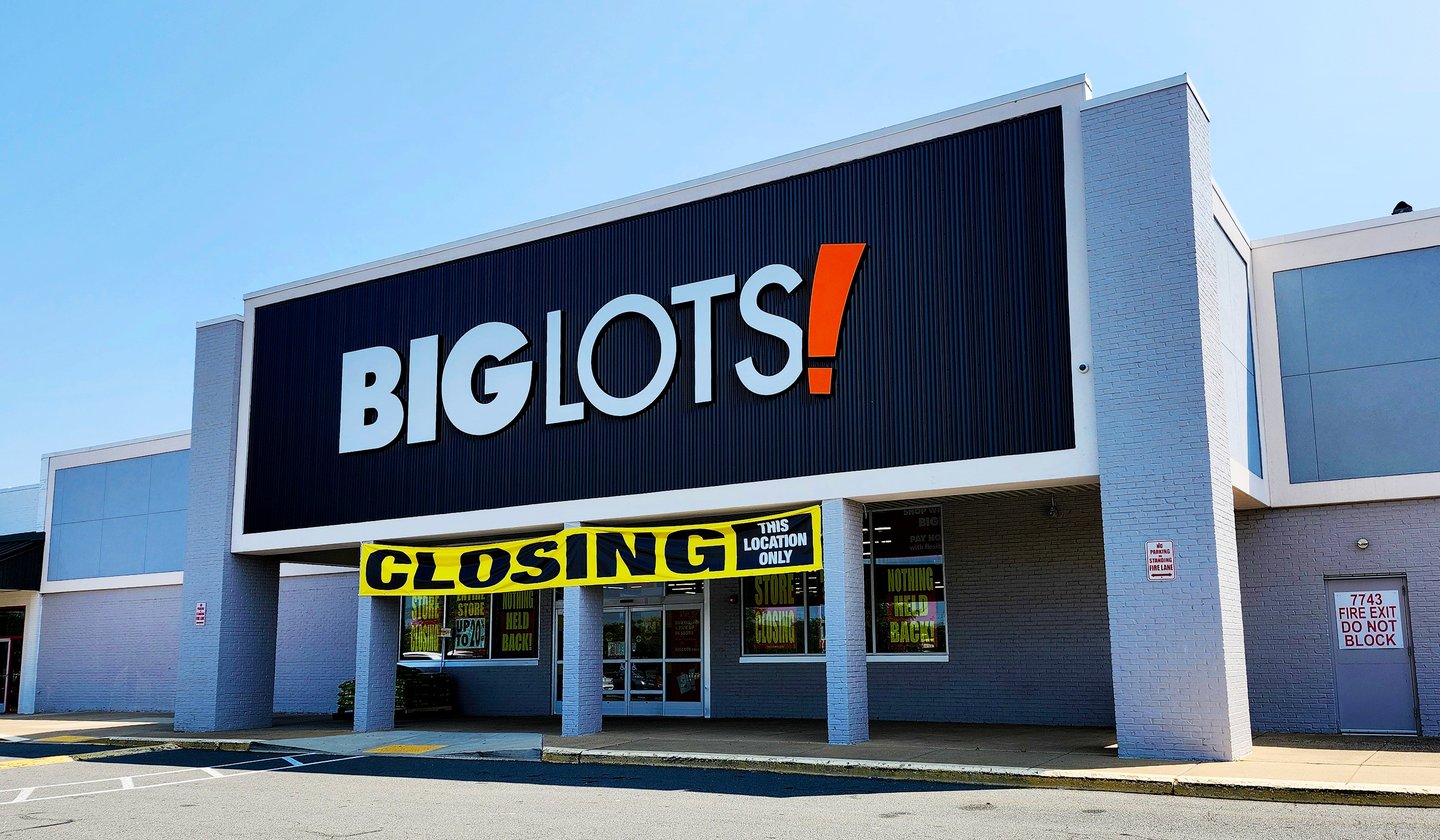
The onslaught of store closures by the likes of Big Lots, Joann and Rite Aid had brands and real estate investors snapping up space at a quick pace in the first half of 2025.
On average, new leases for vacated spaces were signed within seven months of closure — the shortest lag period in more than 20 years according to JLL’s just-released “Retail Market Dynamics” report.
Transaction volumes reached $28.5 billion in H1 2025, still well below the most recent peak of H1 2022. But the figure represents notable increases of 23% and 17% compared to the first halves of 2024 and 2023.
The West region paced the nation with spectacular 107% year-over-year growth, followed by the Southeast at 17% and the Mid-Atlantic at 16%.
Meanwhile, rent growth continues to slow, rising a modest 2% compared to last year’s first half. The most expensive markets for retailers to enter include Nashville, Tampa, Dallas, Atlanta, Minneapolis and Orlando.
Major metros where rent increases currently average below 2% include Chicago, New York, Houston, and Detroit. Rises of less than 1% were tracked in Boston, Philadelphia and San Francisco.
The only major market in which retail rents are falling is Los Angeles at -0.9.
Construction activity shows no signs of accelerating, according to JLL. New retail space under construction nationwide has fallen to 48.3 million sq. ft. and new starts have been declining by more than 50% quarter-over-quarter to 4.9 million sq. ft. — less than the total square footage of Mall of America.
“There still exists an imbalance between the quality of available space and what retailers are looking for; much of what is available was built in the 20th century and of unexceptional quality,” stated the JLL report.
JLL predicts that development activity will continue to remain low until the economics of speculative construction change appreciably. Rising costs continue to outpace rents, and strong demand for alternative uses like multifamily and mixed-use increases the opportunity costs for building spaces that are entirely retail, noted the global real estate services company.
More than two-thirds of the leases signed in the second quarter of 2025 were for spaces of 2,500 sq. ft. or less, and 90% were for spaces of 5,000 sq. ft. or less. This aligns with the trend of service-based tenants such as fast-casual restaurants and QSRs now leasing more retail space than goods-based retailers.
More than 40% of store openings in H1 2025 were in spaces of 5,000 sq. ft. or less, while more than 30% of store closings fell in the “junior box” segment sized between 20,000 and 50,000 sq. ft.
“Vacated boxes may take longer to fill in properties or markets that are not highly desirable,” the report noted.