
Iran strikes disrupt global supply chain

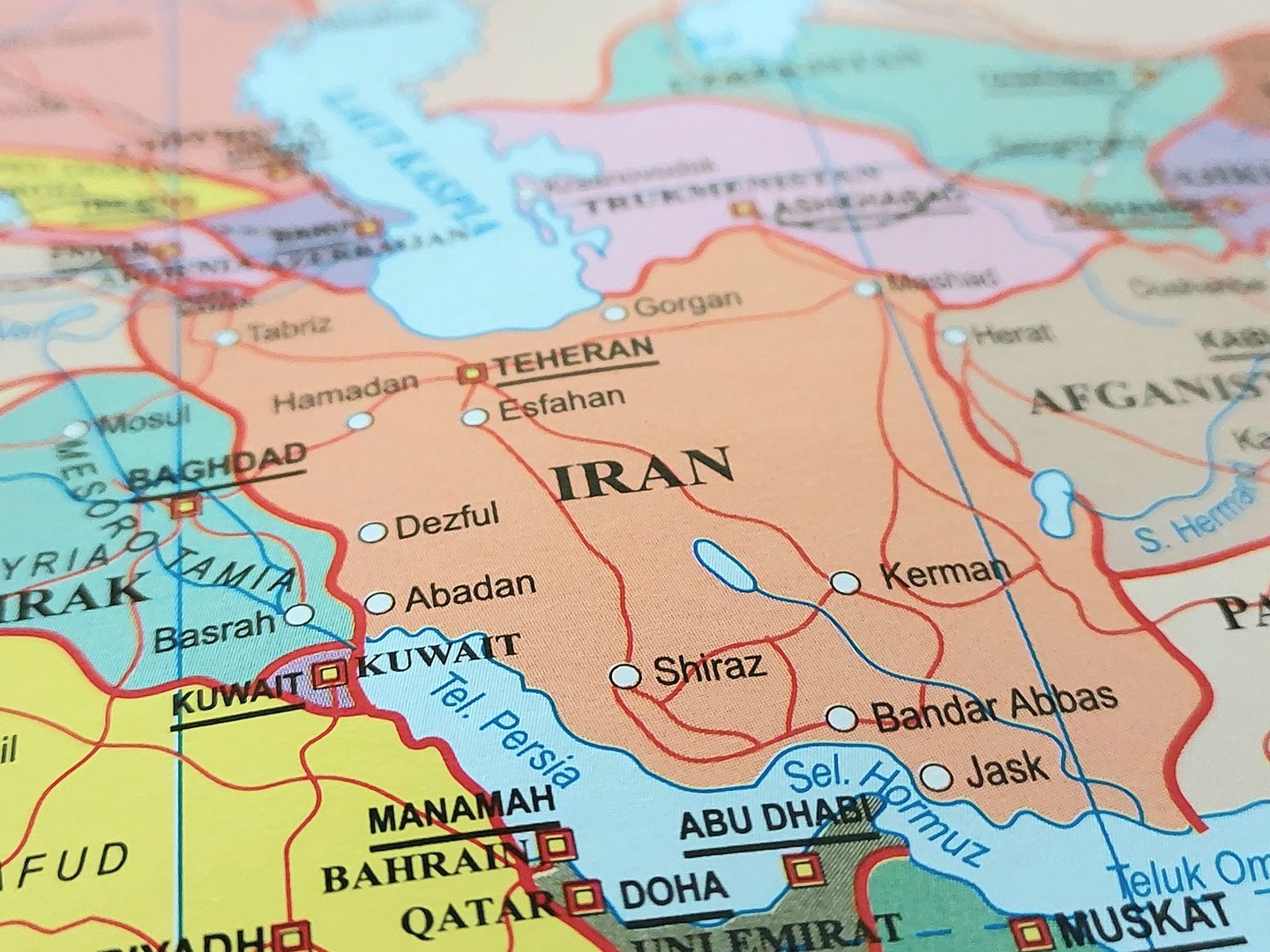
The ongoing military strikes against Iran and its retaliatory measures are wreaking havoc on Middle East shipping, with impact felt around the world.
The U.S. and Israel began an intensive bomb-and-missile campaign against Iran on Saturday, Feb. 28, 2026. In response, Iran has launched numerous missile and drone attacks at targets in countries located throughout the Middle East.
As hostilities are set to continue for days or weeks, global shipping companies and experts are warning that shipments of cargo, as well as oil and fuel, are already being disrupted and will likely have an effect on the larger global supply chain.
"Especially in an economically constrained environment, chief supply chain officers and their logistics leaders must not wait passively to see what happens in the Middle East," David Gonzalez, VP analyst, Gartner Supply Chain, said in commentary emailed to Chain Store Age. "They must build on proactive dialogue and contingency planning with shipping lines, transport providers and customers, while monitoring the potential impact of different scenarios."
Gonzalez went on to say that chief supply chain officers must support and enable their logistics leaders to "prepare mitigation strategies that can be deployed quickly to get ahead of the consequences of these events occurring."
[READ MORE: Gartner: How to secure Mideast supply chains from Israel-Iran conflict]
These consequences already include many major global shipping providers suspending operations in the Strait of Hormuz, a body of water between Oman and Iran that is a vital link for global shipping. Shipments from the area will have to instead be carried across the much longer route along the southern tip of Africa until operations in the Strait of Hormuz can resume.
"The safety of our crews, vessels and customers’ cargo remains our key priority," Danish shipping giant Maersk said in an official announcement on its website. "We are suspending all vessel crossings in the Strait of Hormuz until further notice. As a result, services calling ports in the Arabian Gulf may experience delays, rerouting, or schedule adjustments."
Due to the current Iran conflict, Maersk also said it is pausing trans-Suez sailings through the Bab el-Mandeb Strait , another key shipping waterway which is located between Africa and the Middle East.
According to CNBC, other major global shippers including Germany’s Hapag-Lloyd, France’s CMA CGM, and Switzerland’s MSC are also halting or altering their shipments through the area.
In comments to CNBC, Amrita Sen, founder and director of market intelligence at Energy Aspects, said the threat of attacks on vessels is enough to affect shipping volumes.
"While we are not saying the strait is going to get closed, what the U.S. will not be able to do is control these one-off attacks on tankers and that is enough to make the market extremely cautious about sending vessels in," Sen said in her commentary. "And that’s what creates the disruptions."
In addition, The Guardian reports maritime insurers including Norway’s Gard and Skuld, the U.K.’s North Standard and P&I Club, and New York-based American Club, are cancelling war risk coverage in the Middle East due to the conflict.