
H-E-B tops Dunnhumby's annual grocery rankings

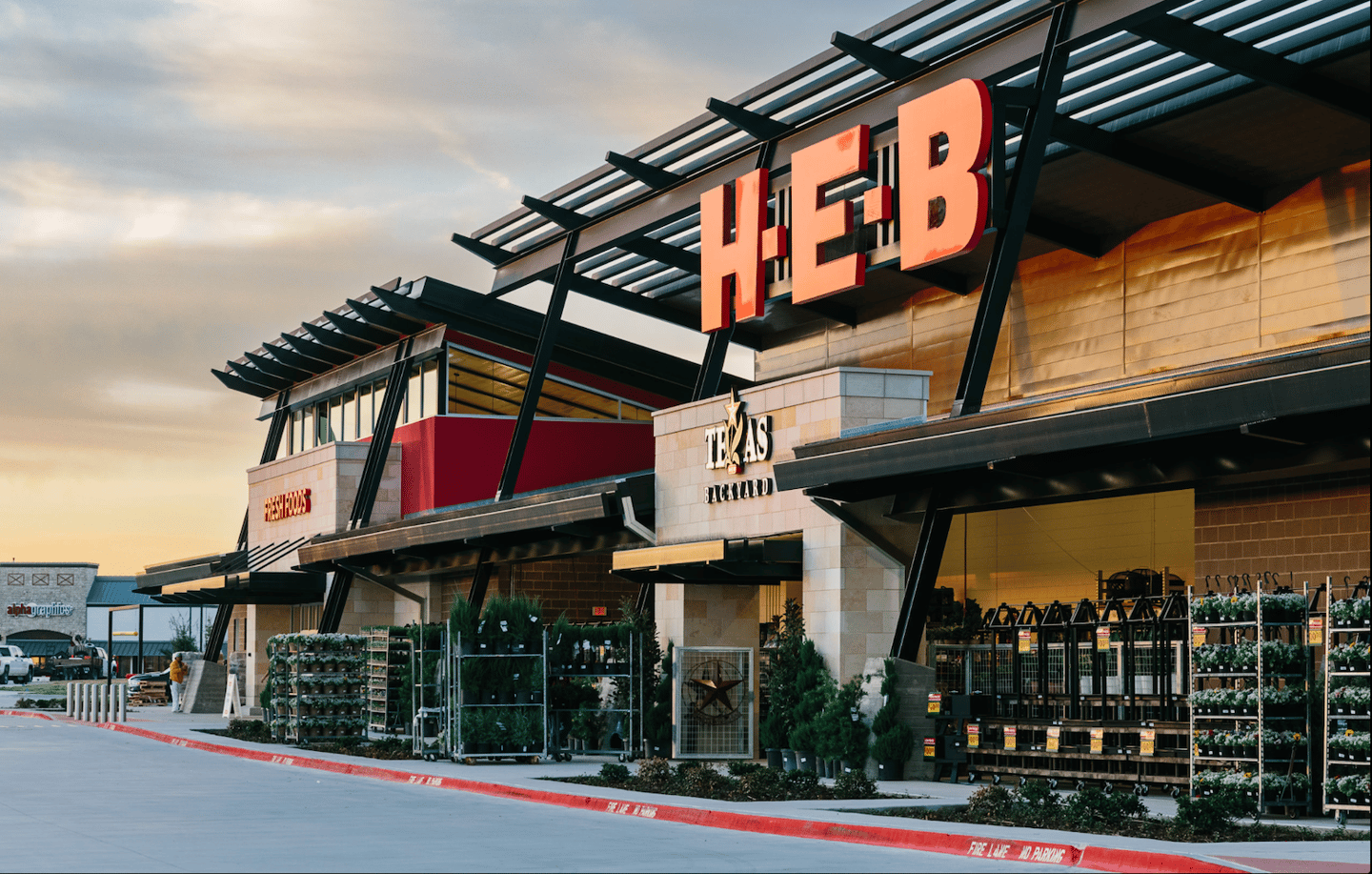
Regional chains took the top three spots in Dunnhumby’s ninth annual “Retailer Preference Index for U.S. Grocery,” which examines the approximately $1 trillion U.S. grocery market.
Texas-based H-E-B ranked first for the fifth time in nine years, followed by Massachusetts-based Market Basket and Wisconsin-based Woodman’s, which made its first-ever appearance in the study. Costco Wholesale Corp. and Aldi rounded out the top five. (Top 10 retailers listed at end of article.)
“For now, H-E-B remains firmly entrenched as the top retailer due to its superior ability to deliver a combination of better savings, quality, experience, and assortment,” the study noted.
The Dunnhumby RPI combines financial results with customer perception data sourced from dunnhumby’s annual survey of more than 11,000 American grocery shoppers. The five drivers of the customer value proposition are in order: 1) Price, Promotions, and Rewards, 2) Quality, 3) Digital, 4) Operations, and 5) Speed and Convenience.
Amazon, the leading U.S. grocer in 2021 and 2022, dropped two spots in the current study, while Sam's Club fell six places. Dunnhumby said their rankings declined mainly because the digital pillar became less important in 2025, which had been a key strength for both retailers. In addition, neither Amazon nor Sam’s Club ranks in the first quartile for price, promotions, and rewards or quality.
The RPI found that 41% of a retailer's long-term success is based on "saving customers money" through competitive pricing, promotions, and rewards — up three points from last year and marking a new record high. This remains the most important of the five customer perception pillars. Retailers who excel at delivering savings consistently achieve stronger, long-term market success in the United States.
Key findings from the study are below.
•U.S. consumers prioritize "saving money" on groceries more than their peers in other developed countries, according to a global Dunnhumby RPI analysis, due to higher insecurity rates of basic human needs (Global Social Progress Imperative Study).
According to Dunnhumby’s Consumer Trends Tracker, 56% of Americans cannot cover a $400 emergency, a metric that has worsened since December 2024. Meanwhile, 58 million Americans — more than the entire population of Canada — experience food insecurity and occasionally skip meals due to affordability issues.
•Quality and value are converging in retail. Savings-focused retailers like Walmart and Aldi are driving this shift, narrowing quality perception gaps with traditional competitors while expanding their price advantage. As a result, quality has emerged as a key competitive differentiator alongside affordability.
•Retailers in the first quartile have consistently outperformed competitors. These top retailers have grown grocery revenue the most over the past year, delivered the strongest growth over the past five years, and built a sustained market share advantage over the long term.
“2025 threw a lot of curveballs at the U.S. consumer," said Matt O'Grady, president of the Americas for Dunnhumby. "Shopper confidence dropped as concerns about higher prices, fewer job opportunities, and stagnant wages eroded purchasing power. Consumers across all income levels are feeling the squeeze and making more price-conscious choices. In this environment, building trust with American shoppers has never been more critical.”
The top 10 grocers in the Dunnhumby RPI are listed below.
1. H-E-B
2. Market Basket
3. Woodman’s
4. Costco
5. Aldi
6. Winco Foods
7. Trader Joe’s
8. Amazon
9. Wegman’s
10. Shop-Rite
