
Five shifts that will redefine retail in 2026
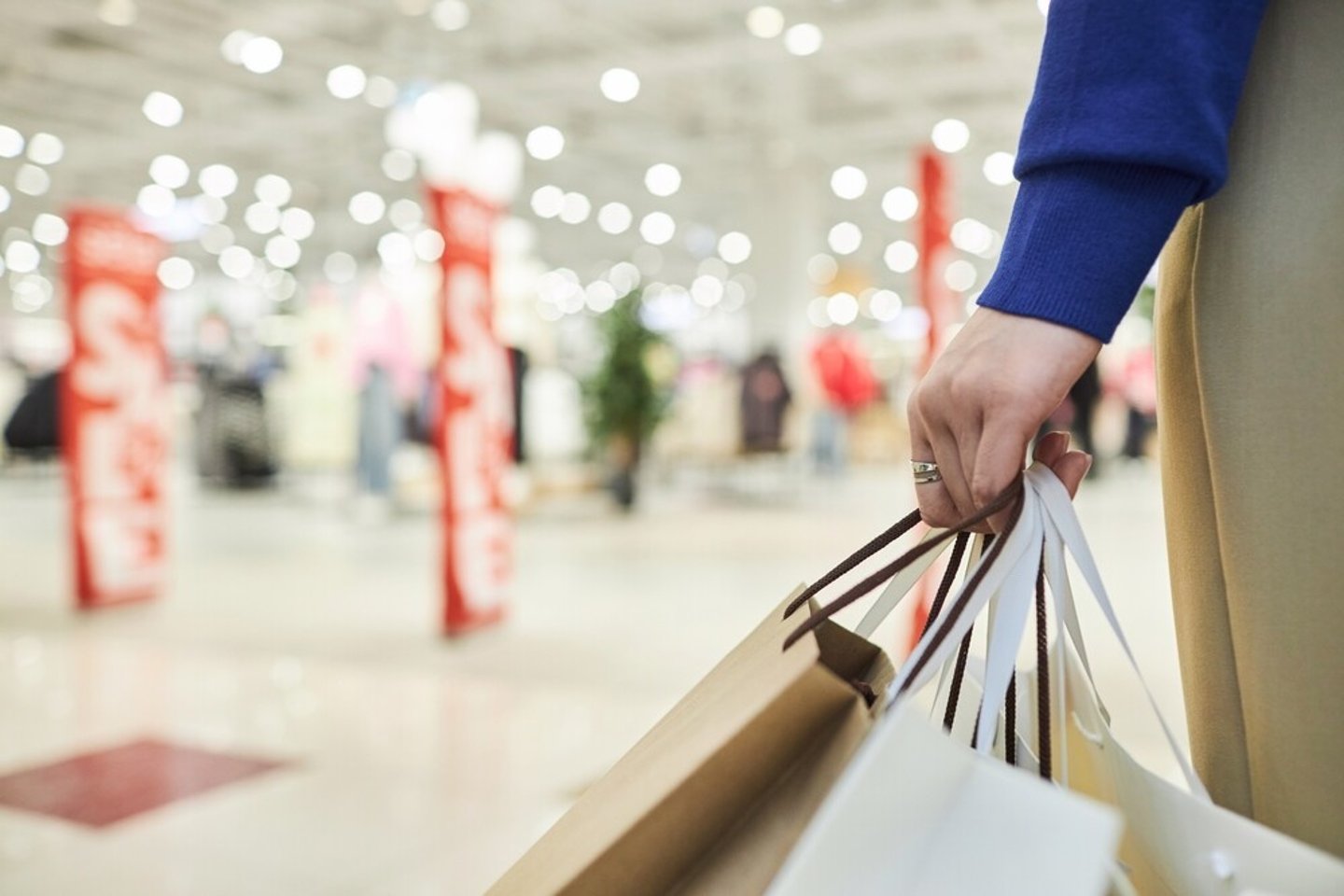
Retail is entering a new chapter.
After years of rapid digitization, the sector is now moving toward the Autonomous Era, a period in which sophisticated AI, real-time decision-making, and intelligent automation are set to transform the way customers shop and how retailers operate. These changes are not five or ten years out. They are already taking shape and will accelerate meaningfully in 2026.
Here are the five forces that will have the biggest impact on the year ahead.
AI Will Push Retail Toward “Searchless Shopping”
Consumers are beginning to shop in a new way. Instead of typing queries into a website or app, many will rely on AI powered shopping agents that understand their preferences and make selections on their behalf. “Searchless shopping” will become a defining behavior in 2026.
AI agents will analyze structured product data, reviews, availability, sustainability information, and price in seconds. If AI cannot interpret a brand’s product data, those products will not appear in AI-driven recommendations. To stay competitive, retailers must invest in Generative Engine Optimization, or GEO, which ensures that LLM (large language model) platforms like ChatGPT can fully understand and surface their catalog. The retailers who succeed will not just show up in search. They will show up in every customer’s AI powered journey, which will soon be the primary discovery channel.
Stores Will Become Powerful Media Channels
One of the most important shifts in 2026 will be the transformation of physical stores into powerful media channels. Retail Media Networks are moving far beyond retailers’ websites and apps, and the store is becoming a fully monetizable environment where brands can reach shoppers with targeted, in-the-moment advertising. Digital screens, connected devices, and context aware messaging will turn the store into a measurable advertising platform that drives high margin revenue and gives brands entirely new ways to influence purchasing decisions.
This evolution reframes the store’s economic value. Instead of being viewed primarily as a cost center, the store becomes an engine of profitable media inventory that is enhanced by rich first party data. For many retailers, this opportunity will be comparable to the commercial impact of their online media networks.
In-store fulfillment and experience will still matter. Stores will continue to function as hyperlocal fulfillment hubs that enable rapid delivery and as spaces where customers can explore products, interact with associates, and receive high touch service. Intelligent automation with the help of Agentic AI will help make these functions more efficient through robotics, smart inventory systems, and clienteling tools.
Merchandising Will Become a Real Time, AI-Driven Operation
Merchandising has traditionally been a slow and calendar-based process. Teams planned assortments months in advance, made manual adjustments, and waited for the next cycle to make meaningful changes. In 2026, that model will feel increasingly outdated.
Agentic AI will turn merchandising into a constantly evolving operating system. Instead of quarterly updates, algorithms will evaluate demand signals, supply chain conditions, and pricing trends throughout the day. Inventory, promotions, and assortment decisions will adjust automatically in real-time to meet consumer needs.
This will also change the role of merchandisers. They will spend less time crunching numbers and more time acting as supervisors of intelligent systems. Their focus will shift to setting policies, defining guardrails, and ensuring that AI-driven decisions stay true to the brand’s strategy and customer expectations. The result will be a level of agility that has not been possible until now.
Loyalty Will Depend on Value, Not Emotion
Consumers are feeling the impact of tighter budgets and rising costs. As a result, value will become the strongest driver of loyalty in 2026. Shoppers will prioritize retailers that consistently deliver high quality products at competitive prices with a frictionless experience.
Private label will continue to expand because it allows retailers to differentiate while offering strong value. Loyalty programs will also become more important and more exclusive. Many retailers will reserve their best deals, perks, and early access opportunities for loyalty members. This supports retention while strengthening first party data strategies that fuel personalization and enable more effective Retail Media Networks. Retailers that can provide clear and reliable value will be the ones that grow share of wallet in the coming year.
Sustainability Will Shift from Messaging to Business Model
Sustainability is no longer just a brand statement. It has become an expectation, especially among younger shoppers who want greater transparency about how products are sourced and produced.
In 2026, circular retail models, including resale, rental, and refurbishment, will continue gaining momentum. AI will help accelerate this shift by streamlining authentication, grading, pricing, and logistics, which makes circularity far easier to scale. What is changing most is the perception. Sustainability is not a cost center anymore. It is emerging as a meaningful source of growth and a driver of long-term customer loyalty.
These trends point to a fundamental shift in how retail will operate and compete in 2026 and the years that follow. Agentic AI powered experiences and supply chain, media-enabled stores, AI-driven merchandizing, value driven loyalty, and sustainable business models will shape the next phase of growth.
The retailers that win will rethink their operating models and invest aggressively in new capabilities. The pace of change is speeding up, and hesitation will come at a cost. The future of retail will be defined by those willing to lead it, not those waiting to follow.

Sudip Mazumder, senior VP, retail industry lead, North America at Publicis Sapient