Electricity Price Escalation and Volatility: Proactive strategies to help your business
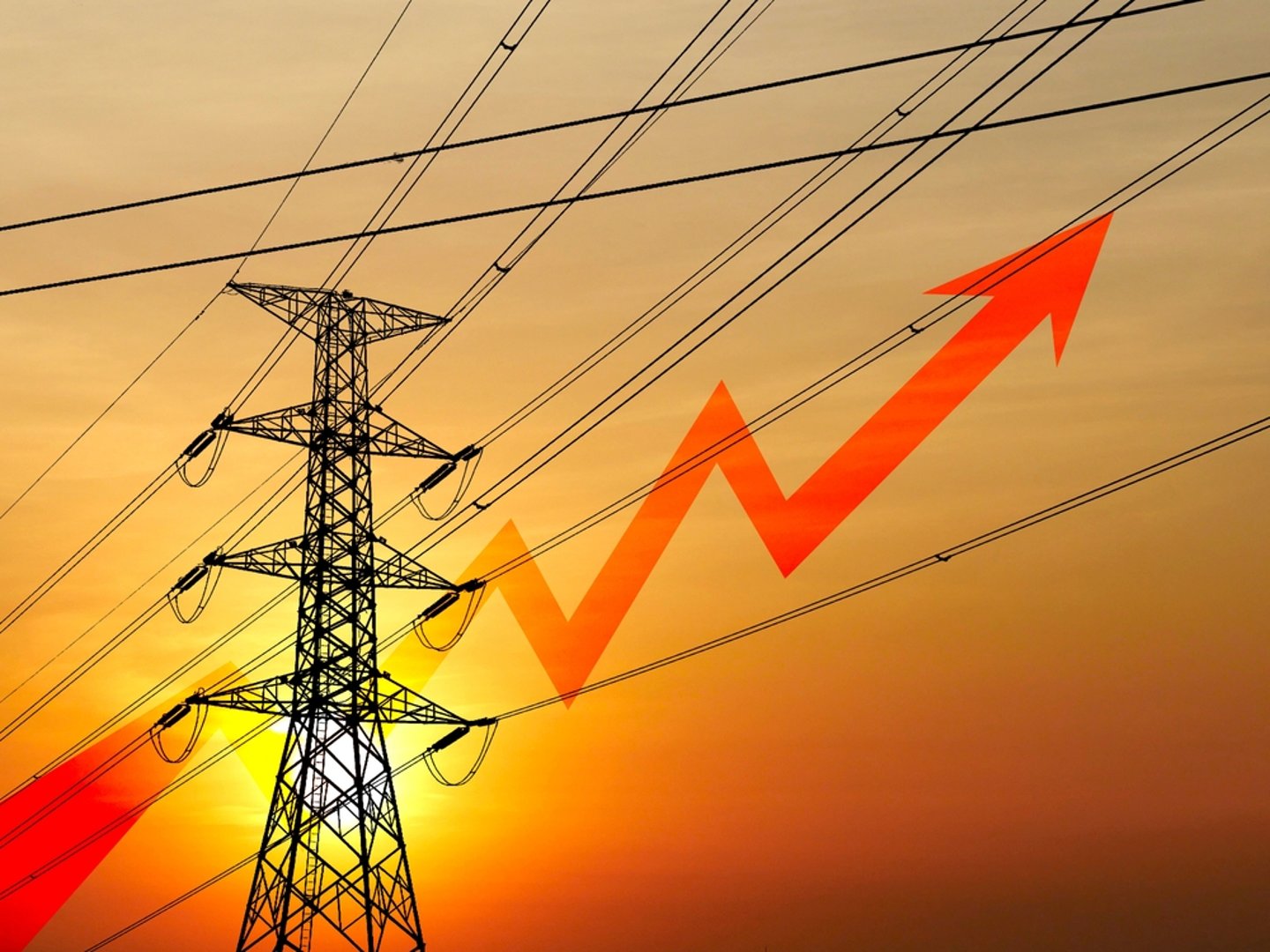
In the coming years, electricity prices are expected to rise materially and become increasingly volatile. As a result, businesses must proactively implement a diverse array of strategies to mitigate financial risk and exposure while protecting operational stability.
Higher Electricity Prices and Volatility: When? And why?
While overall electricity prices have been rising at a pace that exceeds inflation, there is growing evidence that the fundamentals of supply and demand on our constrained electrical infrastructure may become significantly more pronounced in the near term – and that those fundamentals appear here to stay.
The U.S. Energy Information Administration forecasts that wholesale electricity prices will exhibit increasing volatility due to the combination of resource supply constraints, rapidly rising electricity demand and fuel cost fluctuations. The resulting higher, more volatile prices will add significant financial pressure to businesses that rely on firm electricity supply and stable, predictable input costs.
Electricity demand is far outpacing many industry projections with many regions of the U.S. experiencing unprecedented load growth. For example, American Electric Power, one of the largest utilities in the U.S., projects an 8.6% annual increase in its retail electric load, which will strain grid capacity. Adding to these pressures is a mounting concern over supply adequacy. PJM Interconnection, a regional transmission organization, warns of electrical capacity shortfalls as early as 2026-2027. Their recent capacity auction results reflect this new reality of rising capacity prices, rapid electrification, and slower-than-expected growth in energy generation.
From 2024 to 2025 thus far, energy prices have increased by approximately twofold while capacity prices have risen tenfold, following many years of generally low and relatively stable prices for both. These same price impacts are being felt beyond the PJM Interconnection.
Drivers Behind Rising Electricity Prices
For decades, electricity demand has been relatively flat; outside of some regional extreme weather events, our utility grids have coped. These same grids, now decades older and generally poorly maintained, must deal with sharply higher (and growing) demands. AI, domestic manufacturing, and electrification growth will continue to compete for limited grid resources.
Five main factors are driving electricity prices higher and creating greater volatility in the market:
- Data center growth and AI innovation;
- Industrial electrification and the rise of electric vehicles (EVs);
- Aging grid infrastructure and rising maintenance costs; and
- Shifting federal energy policy and emerging trade policies.
This combination of factors makes it unlikely that electricity prices will stabilize in the foreseeable future. Businesses that do not mitigate sustained increases in cost and volatility will ultimately purchase electricity at higher and more unpredictable rates, affecting profitability and long-term competitiveness.
Proactive Strategies
An unreliable energy supply introduces operational risks to organizations. Power disruptions, whether they're due to grid congestion, extreme weather, or capacity shortages, will have an impact on business continuity. Everything from productivity losses and service delays to broader supply chain impacts is on the table for organizations that rely entirely on the grid without any backup generation or energy storage safety nets.
While businesses cannot directly control electricity prices, they can control how they prepare for and respond to them.
Following is a range of proactive strategies that can help mitigate exposure to market fluctuations, enhance operational resilience, and create a competitive advantage.
- Strategic energy procurement to manage market risk. Strategic energy procurement empowers businesses to hedge against future price increases by locking in long-term, fixed-rate contracts for some or all their electricity supply or by leveraging financial instruments to manage risk.
- Partnering with energy suppliers to structure procurement agreements can help shield organizations from an unpredictable market. As market price volatility increases, the value of these physical and financial instruments will also increase but so too might the premiums associated with them.
- Energy efficiency and demand reduction to control what organizations can. Reducing energy consumption through energy efficiency improvement and demand reduction measures can directly affect an organization’s exposure to market price fluctuations. Energy efficiency improvements not only cut costs but also help reduce reliance on grid- supplied power.
- Implementing demand-side management strategies, such as optimizing HVAC systems, installing energy-efficient lighting, and optimizing space utilization can translate into significant reductions in energy consumption. When combined with real- time monitoring and predictive analytics, businesses can enter a cycle of continuous energy optimization.
- Load management to shift demand. With load management strategies, businesses can actively manage when and how they consume power. Demand response programs incentivize companies to reduce their consumption during periods of peak demand when electricity is most expensive. This is where automated load management technologies can help shift demand by moving non-essential loads to off-peak hours without having an impact on operations.
- Distributed energy solutions to reduce grid dependence. Investing in distributed energy solutions allows businesses to generate and store energy independently of the utility grid. Onsite energy generation, such as solar photovoltaics, fuel cells, and combined heat and power systems, can offset grid electricity purchases, minimize the risk of downtime due to power outages, and have a positive impact on an organization's carbon footprint.
Energy storage strengthens these benefits, providing greater flexibility over when power is generated and used, enabling companies to effectively store their excess energy to use during outages or periods of peak demand.
Additionally, microgrids serve as a decentralized energy system, letting organizations operate independently of the grid. This technology integrates onsite generation with storage and controls to balance load demands, reduce carbon emissions, and deliver uninterrupted power.
Building a Sustainable Energy Future
Although energy price increases and volatility may be here to stay, businesses have options. Those who take a strategic approach to mitigating exposure to market fluctuations will position their organizations for long-term resilience. Moreover, many organizations likely have a long list of energy initiatives that haven’t risen to the top of the priority list. Today, those same projects have a much more compelling financial case for implementation.
Taking proactive steps now means that businesses are not simply reacting to the market and accepting their fate — they're ready for the uncertain energy future that lies ahead.

Todd Thurlow is director of distributed energy systems, and Kyle Smith is director of sustainability project finance at Siemens Smart Infrastructure USA. They can be reached at [email protected] and [email protected].