Study: World Cup opening match boosted retail, restaurant visits in LA

The opening match of the 2026 FIFA World Cup proved to be a major driver of visits to retailers and restaurants alike.
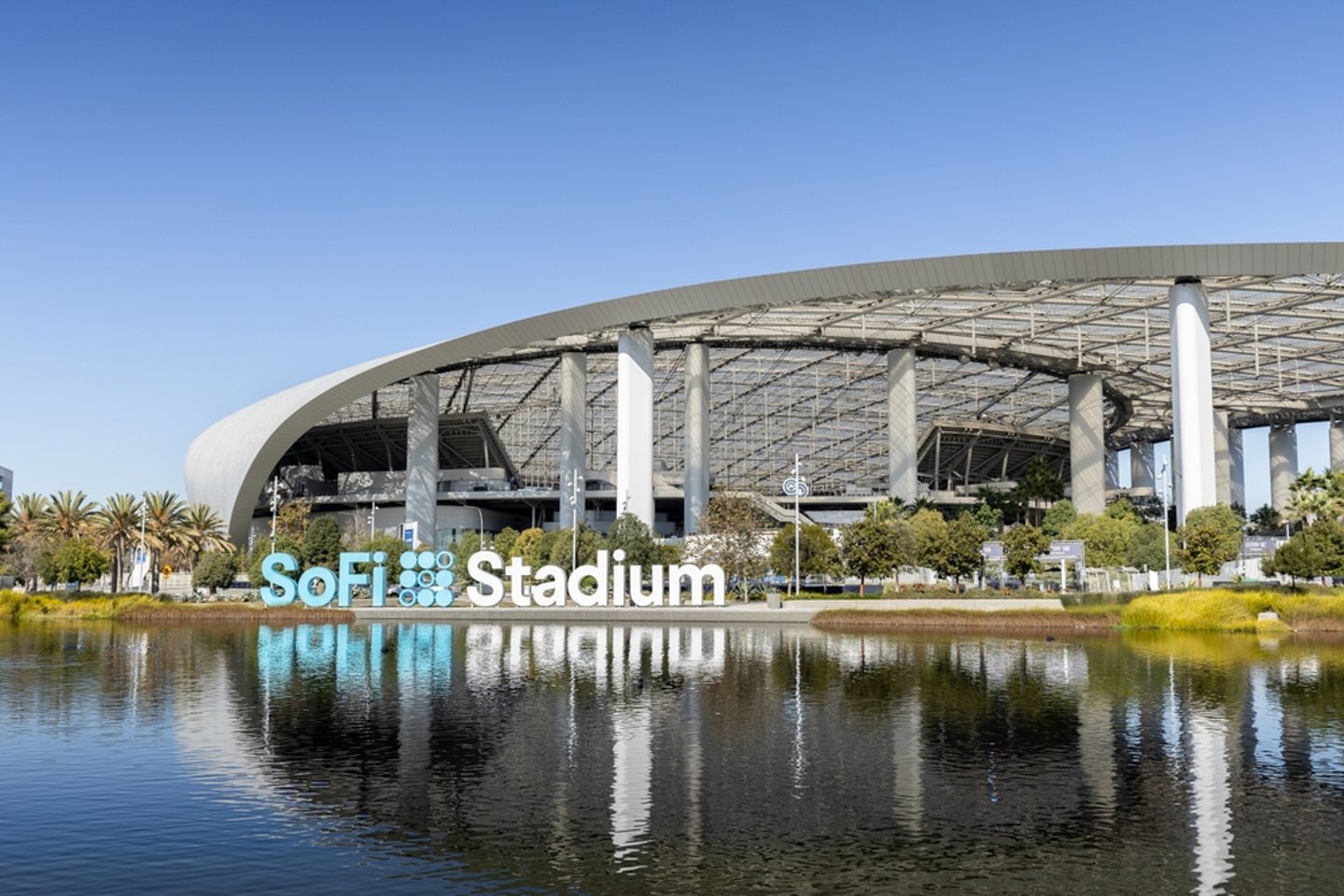
Mobility data from Arity showed an influx of new devices within the 10-mile SoFi Stadium corridor in Los Angeles on June 12, when the global soccer tournament kicked off, indicating a strong non-local presence. Nearly half of the devices (48%) hadn’t been there the week before, and 20% of inbound travelers came from outside Los Angeles’ 60-minute drive zone, compared to 13% the previous Friday.
On match day, Arity found that visits across key retail and hospitality categories increased, while dwell time decreased compared to the prior Friday. This pattern suggests grab-and-go stops as fans moved toward the stadium.
- Hotels: +42% visitation, -84% dwell time
- Grocery stores: +30% visitation, -71% dwell time
- Restaurants: +26% visitation, -44% dwell time
- Sporting goods stores: +123% visitation, -70% dwell time
Within the SoFi Stadium corridor, lunchtime visits (noon to 3:00 p.m.) to sporting goods stores were 2.2x higher than the prior Friday, indicating a spike in pre-event purchase activity, said Arity.
Between 11:00 a.m. to kickoff time, select food and beverage locations within the corridor also saw notable increases in visitation:
- Erewhon: +300% (4x the visitations compared to the previous Friday.)
- Costco: +163%
- Starbucks: +76%
- El Pollo Loco: +70%
- Trader Joe’s: +45%
Arity noted that local bars saw a substantial increase in visitation on June 12, with directional data indicating significant growth in afternoon visits compared to the prior Friday. Bars saw a 220% increase in visitation and a 37% increase in dwell time compared to the previous week.
[READ MORE: Q&A: How the 2026 FIFA World Cup is impacting retail in Houston]
“While each host city may show different patterns, the combination of non-local audiences, compressed shopping behavior, and pre-event spikes provides a consistent signal: demand tends to concentrate in shorter windows and around specific use cases,” noted Arity. “For retailers and hospitality operators, these insights can support more informed decisions about staffing, inventory and customer experience design during major events.”
Methodology
Arity used its Road Traffic Analytics product for these analyses, which aggregates anonymizes mobility data from smartphone apps whose users have opted in to share their location. All statistics cover mapped businesses within a 10-mile radius of SoFi Stadium in Inglewood, Calif., unless otherwise noted.