Consumer sentiment nears four-year low amid worries about high prices

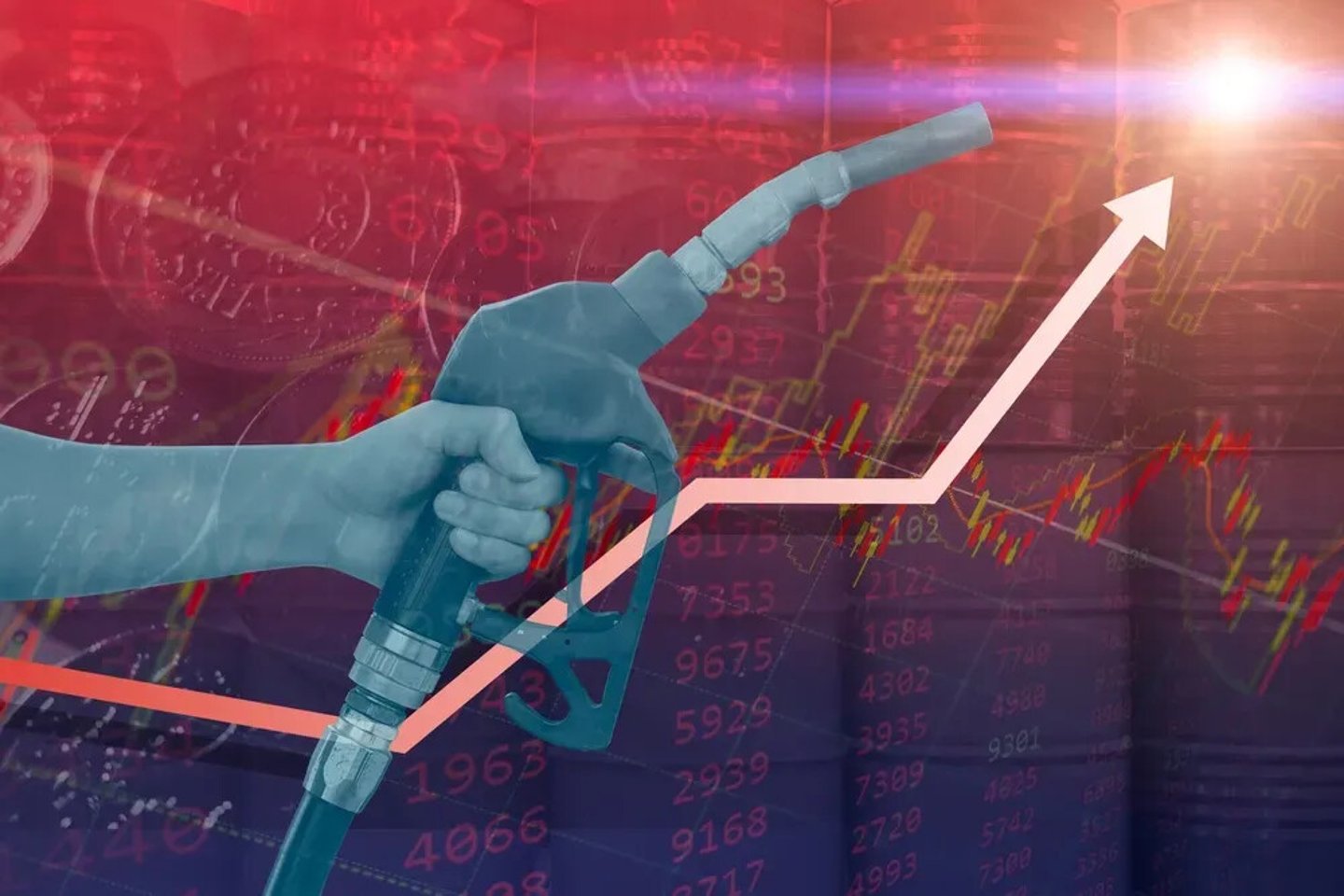
The Iran war — and its impact on gas and energy prices — is taking a toll on consumers’ confidence.
Overall consumer sentiment slipped for the second consecutive month in April, falling 6.6% to 49.8, down from 53.3 in March and below last April's 52.2, according to the University of Michigan Surveys of Consumers.
The decreases in sentiment were seen across political party, income, age and education, reflecting the broad-based nature of April’s results, noted U of M economist Joanne Hsu, director of the surveys of consumers. Expected business conditions declined for both short and long time horizons, with the index of current conditions falling 5.9% to 52.5, and the index of expectations falling 7% to 48.1.
"The Iran conflict appears to be passing through to consumer views primarily through effects on prices, particularly gas and energy prices stemming from disruptions to shipping," Hsu said. "At this time, consumers do not foresee relief from high prices in the near future. In fact, consumers expect them to worsen before they improve."
Gas Prices
Gas prices loom large for consumers, with one-third of respondents providing unsolicited comments on those prices during the interviews, Hsu said. Average year-ahead gas price expectations surged almost sixfold from February, reaching its highest reading since June 2022, soon after Russia's invasion of Ukraine and the peak of post-pandemic inflation.
“At this time, consumers expect at least a short-term shock to prices at the pump with limited long-term increases for gas prices,” Hsu said.
Buying Conditions for Major Purchases Worsen
Consumers reported that buying conditions for durable goods are broadly unfavorable. Concerns over high prices have increased, with economic disruptions from the Iran conflict adding to the upward price pressures from tariffs over the past year. Buying conditions for vehicles fell 12% this month.
"High price reasons dominate consumers' thinking, along with recent increases in consumers mentioning costs of gasoline as a negative factor," Hsu said. "Interest rate concerns are also prominent, though little changed from previous months."
The Surveys of Consumers is a rotating panel survey at the University of Michigan Institute for Social Research. It is based on a nationally representative sample that gives each household in the coterminous U.S. an equal probability of being selected. Interviews are conducted throughout the month by web.