Consumer confidence down sharply in January

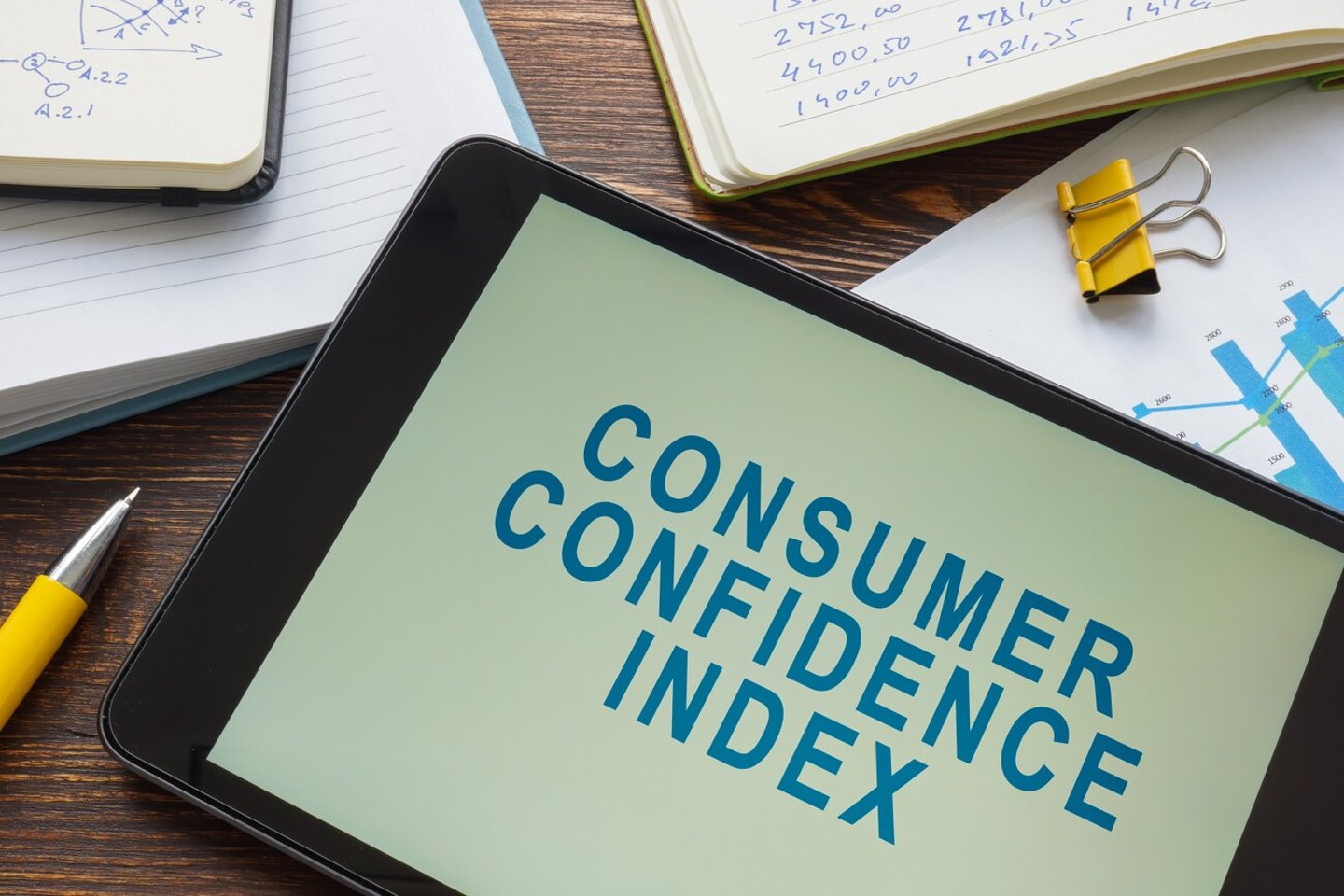
Consumer confidence in January fell to its lowest level since May 2014.
The Conference Board Consumer Confidence Index Board fell by 9.7 points in January to 84.5, from an upwardly revised 94.2 in December. The Present Situation Index — based on consumers’ assessment of current business and labor market conditions — dropped by 9.9 points to 113.7 in January
In other results, the Expectations Index — based on consumers’ short-term outlook for income, business, and labor market conditions — fell by 9.5 points to 65.1, well below the threshold of 80 that usually signals a recession ahead. The cutoff for preliminary results was January 16, 2026.
“Confidence collapsed in January, as consumer concerns about both the present situation and expectations for the future deepened,” said Dana M Peterson, chief economist, The Conference Board. “All five components of the Index deteriorated, driving the overall Index to its lowest level since May 2014 (82.2)—surpassing its COVID-19 pandemic depths.”
Consumers’ write-in responses on factors affecting the economy continued to skew towards pessimism, added Peterson. References to prices and inflation, oil and gas prices, and food and grocery prices remained elevated. Mentions of tariffs and trade, politics and the labor market also rose in January, and references to health/insurance and war edged higher.
Purchase Plans
Consumers appeared more cautious about plans for buying big-ticket items over the next six months. Consumers who said “yes” to buying big-ticket items ahead declined in January, those who said “maybe” rose, and those who responded “no” edged higher.
Overall buying plans for autos were flat in January: On a six-month moving average basis, expectations for purchasing new cars continued to falter. But plans to buy used cars climbed higher.
Home-buying expectations continued to retreat. Plans to purchase refrigerators, dishwashers, furniture and TVs decreased. Plans to buy electronics dipped in all categories besides smartphones, which continued to trend upward on a six-month moving average basis. Used cars, furniture, TVs and smartphones remained the most popular within their categories for future purchases.
Consumers’ planned spending on services over the next six months was weaker in January. Consumer spending trends in 2025 moved towards cheap thrills and necessary services, and away from expensive and highly discretionary activities, with the behaviors spilling over into the new year.
Additional insights from the report are below.
Present Situation
Consumers’ views of current business conditions worsened in January.
- 17.9% of consumers said business conditions were “good,” down from 19.8% in December.
- 17.8% said business conditions were “bad,” up slightly from 17.6%.
Consumers’ views of the labor market were also weaker in January.
- 23.9% of consumers said jobs were “plentiful,” down from 27.5% in December.
- 20.8% of consumers said jobs were “hard to get,” up from 19.1%.
Expectations Six Months Hence
Consumers were more pessimistic about future business conditions in January.
- 15.6% of consumers expected business conditions to improve, down from 18.7% in December.
- 22.9% expected business conditions to worsen, up from 21.3%.
Consumers were also more concerned about the labor market outlook in January.
- 13.9% of consumers expected more jobs to be available, down from 17.4% in December.
- 28.5% anticipated fewer jobs, up from 26.0%.
Consumers’ outlook for their income prospects was less positive in January.
- 15.7% of consumers expected their incomes to increase, down from 18.8% in December.
- However, 12.6% expected their incomes to decline, down from 13.0%.