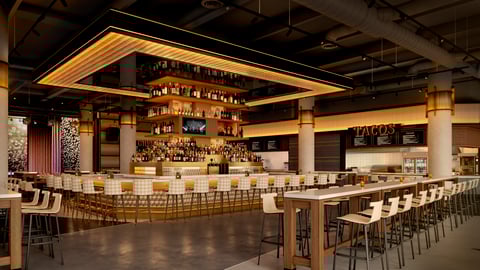
Chef-driven food hall planned for San Antonio’s River Walk

Staked with public and private investment of $3.3 billion to remake one of the nation’s largest and most historic cities, San Antonio’s municipal leadership has set out a plan to use the funds for new housing, infrastructure, and sports venues.
Of course, a renovation of this magnitude that will draw more residents and visitors to the city has got to re-invigorate its restaurant row, as well.
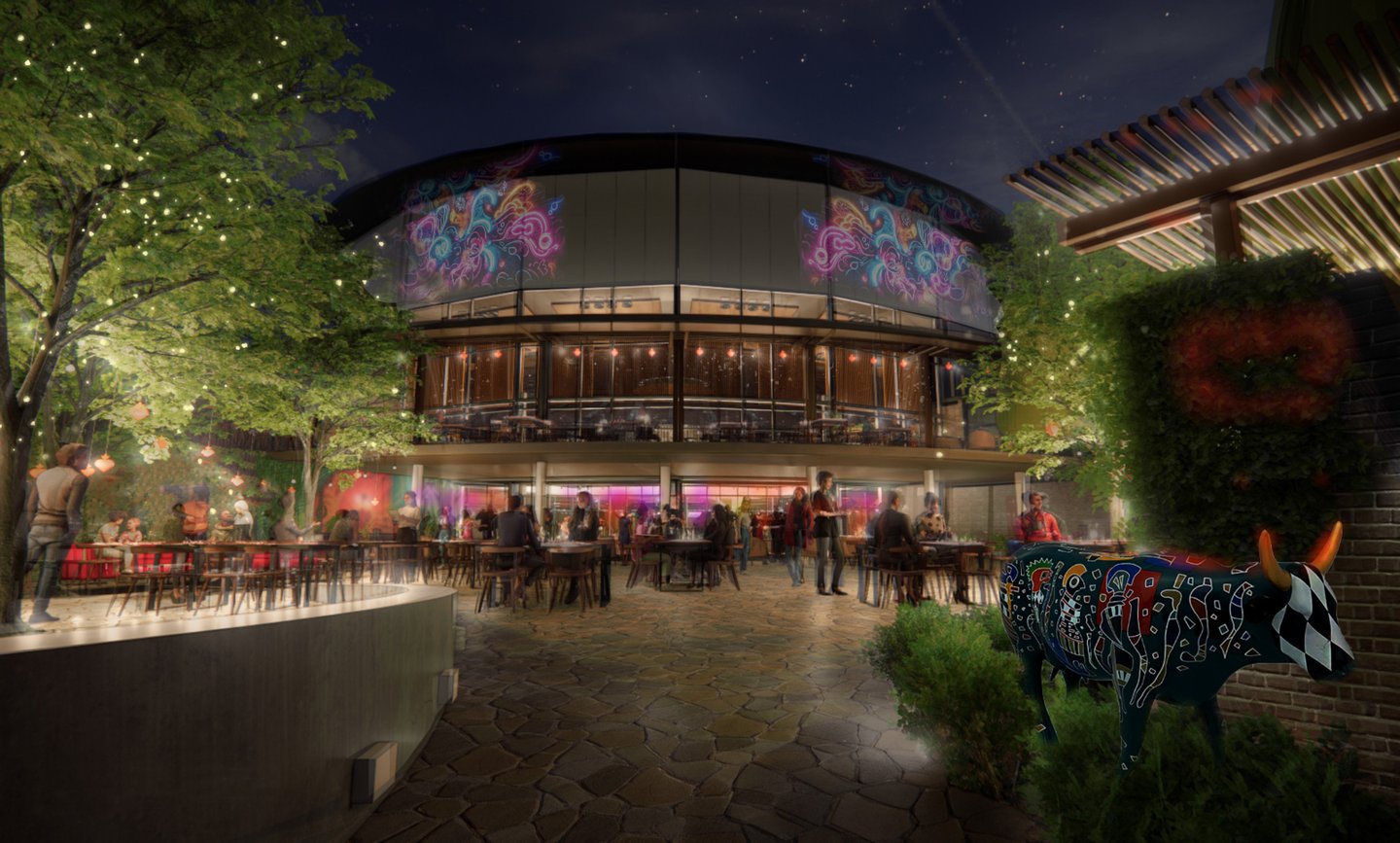
To fill that need, the city of San Antonio plans to remake its La Villita Assembly Hall — a civic hub redesigned by the legendary Texas architect O’Neil Ford — into a top-of-the-line food hall.
San Antonio-based Escalera Capital, along with Onset Hospitality will transform this iconic San Antonio venue into the first ever food hall on the River Walk. JLL, which handles onsite leasing, played a vital role in securing the new operator.
According to JLL, visitors can expect a diverse collection of chef-driven vendors, several bars, and a robust lineup of cultural programming, all reflecting the authentic spirit of San Antonio.
“We see La Villita Food Hall as more than a place to eat — it’s a gathering space that celebrates San Antonio’s identity and creates memorable experiences for locals and visitors alike,” said Onset Hospitality chief Jay Coldren, who also held the top jobs at Time Out Market and of Dean & Deluca. “This partnership with Escalera Capital allows us to honor the history of La Villita while embracing the momentum of the city’s growth and future.”
Colicchio Consulting played a role in sourcing and negotiating the food hall agreement. JLL will handle leasing for the project.
San Antonio is the seventh most-populous city in the United States, with a population of 1.4 million according to the 2020 census. The San Antonio metropolitan area is the third largest in Texas, behind Dallas-Fort Worth and Houston.
The San Antonio housing market in 2025 is expected to remain a buyer's market, characterized by a significant increase in inventory and stabilizing or slightly declining prices. Analysts predict a dip in median sale prices, indicating a drop between 1.7% and 4% by mid-2025, as a larger supply of homes enters the market.