Corporate Governance

  • Investing In Neighborhood Retail, Chicago-Style

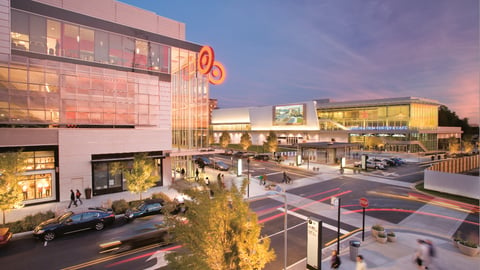
    L3 Capital invests in what it calls prime urban retail, which includes a lot of street retail in the premier cities. "We own retail properties in several neighborhoods in New York City, Los Angeles and Chicago," said Greg Schott managing piincipal.

    At the end of last year, L3 made its first investment in its hometown of Chicago. The company bought four retail buildings along a flourishing four-block retail stretch of Southport Avenue in the Lakewood neighborhood. The cost was $13 million for 17,000 sq. ft.

  • Instant Neighborhoods

    Millennials and boomers are driving an urban push

    Generations after people deserted cities for the suburbs, young millennial-generation adults and older baby-boomer adults are moving back downtown.

    Retailers aren't far behind, and new, seemingly instant neighborhoods — complete with housing, retail, offices and other forms of real estate — are springing up in redevelopment areas of cities across the country.

  • PREIT: Matching Mall And Grocer

    Turns out, malls and grocers were made for each other.

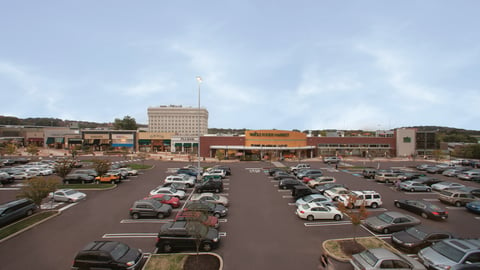
    A few years ago, Philadelphia-based Pennsylvania Real Estate Investment Trust (PREIT) renovated Plymouth Meeting Mall in Philadelphia’s northwestern suburbs.

    The renovation replaced an old Ikea on the site with a lifestyle component called Plymouth Meeting Mall’s Plaza Shops, which leads customers to the mall entrance.

    PREIT brought in a 65,000-sq.-ft. Whole Foods Market as the anchor. 

  • Grocery Evolution

    Widening competition for commodity grocery sales is changing grocery-anchored shopping centers.

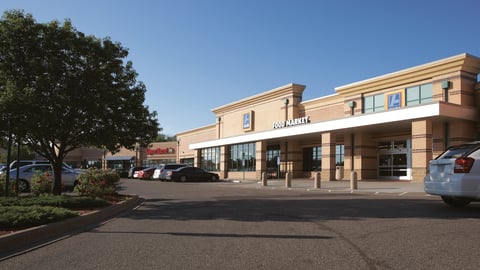
    Supermarket-anchored shopping centers haven't changed much since the invention of suburbia. Find a good location, sign a grocery anchor, get a construction loan and some inline local, regional and maybe national retailers, and you're in business.

    Today, however, supermarkets are beginning to change, and supermarket-anchored shopping centers, of course, must follow along.

    Why are grocers changing? Competition from all sides.

  • Paint Grows Greener And More Sophisticated

    Whether it's a remodel or new construction, paint is one of a retailer's most essential and cost-effective design tools. Chain Store Age spoke with Jim Gorman, of Benjamin Moore & Co., about how paint is being affected by technology and environmental concerns. The company, founded in 1883, manufactures its own resins and colorants, and has more than 3,400 colors in its collection.

    What is the most common mistake retailers make when it comes to painting?

  • More Effective Procurement

    Generating revenue through electricity contracts

    The U.S. retail and wholesale establishments make up one of the largest sectors of electricity consumption in the nation. And they’re likely to use even more within the next few years, according to the U.S. Energy Information Administration, whose recent annual report indicates that commercial and industrial entities will lead domestic growth in primary energy usage through 2040.

  • Experience Counts

    In retail, as in life, experience is everything. Whether it’s online, on a smartphone or in the store, it really doesn’t make a difference. A bad experience will turn off customers, while a good one will build brand advocates. It’s always been like that, of course. But today’s technology-enabled shoppers have changed the rules of the game by upping the stakes considerably.

  • Cool Technologies

    In first U.S. application, H-E-B deploys energy-efficient, propane refrigeration system

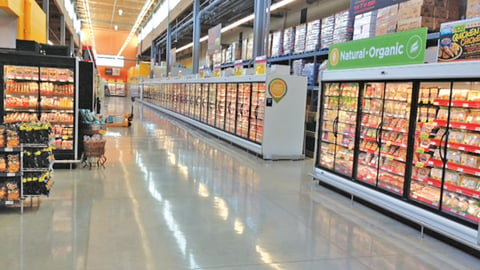
    H-E-B is thinking green — and out of the box — when it comes to refrigeration. The company is the first U.S. retailer to deploy a propane refrigeration system in its refrigerated display cases.

    The Hussmann-designed system is in place in H-E-B’s new 83,000-sq.-ft. store in Austin, Texas, which is part of the redevelopment of an old airport site in the city’s Mueller neighborhood. The entire project is focused on sustainability and energy efficiency. So is H-E-B.

  • Pep Boys Courts Wider Audience

    Small beginnings can lead to big things. That’s certainly true in the case of Pep Boys, which was founded in 1921 by four Navy buddies who pooled together $800 to open an auto parts store in Philadelphia. Today, with some 750 stores across the United States and Puerto Rico, the Philadelphia-based company is one of the nation’s leading auto supply and service providers.

  • Green Landmark

    H-E-B has registered its new store in Austin for LEED certification and Austin Energy Green Building certification. Apart from using a propane refrigeration system, the store includes a number of other green “firsts” for H-E-B, including the use of 100% LED lighting, radiant floor cooling, a chilled water system that supports the store refrigeration and HVAC systems, chilled sails/beams for cooling, a wood building frame and roof deck, a ceramic-based roof coating and extensive use of photovoltaic panels.

X
This ad will auto-close in 10 seconds