Corporate Governance

  • TWO TYPES OF INVESTMENTS

    Joel Alden, partner in the retail practice at A.T. Kearney, said that investments in technology and physical stores mainly fall into two distinct categories: maintenance investments or growth investments.

    “For maintenance investments — replacing a degrading building infrastructure, for example — the cost of not making the investment is critically important,” Alden said.

  • ASSESSING IT

    It’s important to look beyond the traditional hard metrics of ROI to determine the bottom line value of an IT solution. Here are five key areas CFOs need to consider when evaluating technology:

    1. Sales growth: There are many types of applications that can drive increased sales, but some of the most common are solutions that optimize pricing, including markdowns. Determining the ideal price for maximizing sales without cutting profits at a store level is too complex for merchants to do on their own.

  • New strategies for CFOs

    From investments to support omnichannel initiatives to energy efficiency programs and equipment upgrades, prioritizing and approving capital expenditures has become increasingly complex for retail CFOs.

    “Retail CFOs are performing a high wire balancing act these days,” said Rod Sides, vice chairman and retail and distribution practice leader for Deloitte. “Online sales are growing while the traditional business is flat to declining, but still accounts for 80% of the revenue.

  • HOW REAL-TIME WORKFORCE MANAGEMENT BENEFITS CFOs

    Reflexis is a leading provider of real-time store execution and workforce management solutions.

  • NOW TRENDING ...

    Enough of the “retail is dying” narrative that has dominated so many headlines the past few months. It’s way overplayed.

    Brick-and-mortar is evolving, not dying. And it’s full of exciting new players — many of them digitally native — that are infusing the industry with something it can always use: new blood. Here’s a quick rundown of some of these newcomers to the physical space:

  • High-profile brand eyes bricks-and-mortar growth

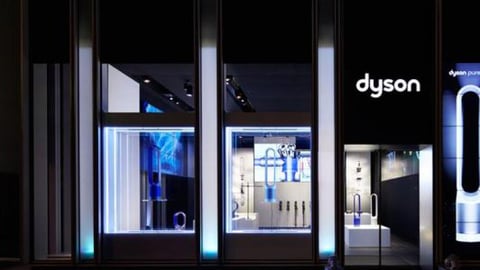
    Dyson, the consumer electronics brand best known for it pricey vacuum cleaners, has opened a store in the heart of London’s main shopping district.   The sleek, futuristic-looking store, on Oxford Street, is designed to allow shoppers to see and test Dyson’s complete line of vacuum cleaners, fans, heaters, humidifiers and other products, with some 65 items on display. It also has 64 different dust/dirt samples and four floor surfaces available on which customers can to test vacuum cleaners.   
  • Cloud makes New Hampshire Liquor Commission ERP more potent

    When it comes to supporting liquor sales, the Granite State is looking for a rock-solid enterprise foundation.   The New Hampshire Liquor Commission, which operates 79 retail stores across New Hampshire, is turning to the Microsoft Dynamics AX ERP platform. The New Hampshire Executive Council has approved a contract with global Microsoft Dynamics partner AlfaPeople to implement and support the application. The $19 million dollar, 10-year contract was won in competition with multiple solutions and through a multi-year selection process.
  • Glitch affects Starbucks pricing

    A computer error caused Starbucks to overcharge some customers and forced the coffee giant to disclose a planned price increase.   In a brief statement released on the retailer’s corporate blog at about 8 p.m. ET Friday, July 1 and updated about 11 a.m. ET Saturday, July 2. Starbucks said a price adjustment was prematurely entered into the POS systems of U.S. company-owned stores. As a result, some customers were overcharged by as much as 30 cents for their beverages.  
  • This big-box retailer is still expanding

    PGA Tour Superstore is growing its retail presence even as many other big-box stores downsize.     The chain will open a 45,500-sq.ft. store at Woodlands Shopping Center, Houston, in a former Sports Authority location, this fall. It’s the first Houston location for the company, whose controlling owner is Arthur Blank, co-founder of Home Depot.  
  • Specialty grocer commits to solar power

    Mom’s Organic Market is extending its renewable energy portfolio.    The family owned and operated Maryland-based chain has begun purchasing all power from a designated solar farm in Kingsville, Maryland., bundled with national solar renewable energy credits.   This 1.5-megawatt DC system is projected to output 2,124,000 kilowatts per year. Mom’s will purchase the entire system's output for the next 20 years.  
X
This ad will auto-close in 10 seconds