Strategy

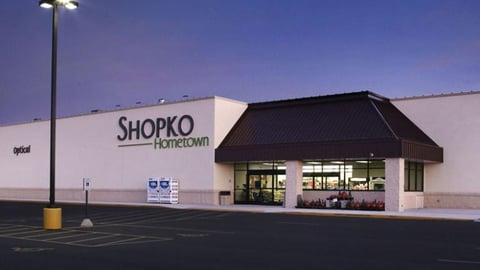
  • ShopKo accelerating ShopKo Hometown store growth

    March promises to be a busy month for Shopko.

    The retailer will open 10 Shopko Hometown stores in late March, bringing its total number of stores opened this year so far to 12.

    The company plans to continue to accelerate the expansion of its Hometown format with additional locations through 2017. Developed over the past five years to augment Shopko’s larger store model, the concept is focused on serving the needs of smaller rural communities. Stores average 15,000 sq. ft. to 35,000 sq. ft.

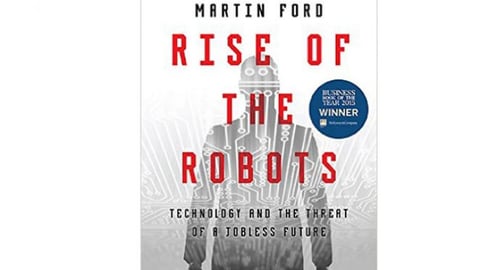
  • The one book every retailer must read

    Even if overuse of the words disruption and transformation hadn’t diluted their meaning, they would still come up short when describing global economy altering trend envisioned by some that could have a devastating impact on consumer spending.

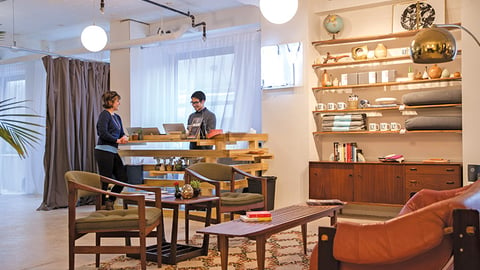
  • Making Properties Pop

    Pop-ups. They have become a phenomenon in several major cities. From pop-up shops that capitalize on holiday sales to pop-up restaurants that are impressing foodies from coast to coast, this trend is here to stay — even in traditional office buildings.

  • Retail bankruptcies and the circle of life

    The last several years have seen numerous chapter 11 bankruptcies with the most recent being The Sport Authority. It may seem counterintuitive, but bankruptcies are a sign of vibrant industry and give rise to new opportunities for those who know where to look.

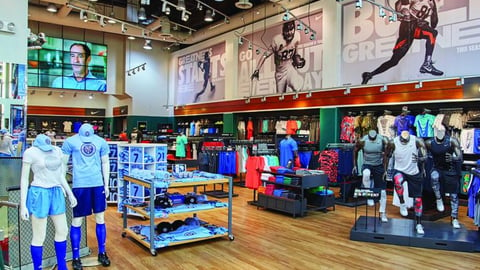
  • TENANT TREND #3: ATHLEISURE

    Lululemon athletica and Athleta, a subsidiary of Gap Inc., are not new concepts. But they are part of one of fashion’s hottest trends: “athleisure.”

    Specializing in trendy activewear designed for the gym and beyond, athleisure concepts are finding their way into all kinds of shopping destinations — giving lululemon and Athleta increasing competition. Here’s a rundown of some other retailers currently in the game:

  • TENANT TREND #2: HEALTHCARE AT THE MALL

    Need to fill empty space? Walk-in medical clinics hold a lot of tenant promise, as regional companies such as New York’s City Practice Group and national chains such as Humana’s Concentra increasingly find homes in spaces vacated by shuttered retailers in strip malls and shopping centers.

    Hospitals are also getting in the game. Vanderbilt University Medical Center, for example, is building clinics in retail settings throughout the Nashville metro area.

  • TAX CREDIT EXTENDED

    The federal government has extended the Investment Tax Credit (ITC) for solar energy investments through 2019. It provides businesses that install solar panels a tax credit equal to 30% of the total solar installation price. The credit will ramp down to 26% in 2020, 22% in 2021 and to 10% in 2022 for commercial solar installations.

  • Price Reductions Help Drive Solar Boom

    The number of U.S. businesses with solar energy installations grew to a new high in 2015. Enterprises ranging from family-run companies to some of the country’s biggest corporations are producing their own energy, cutting operating expenses and achieving environmental sustainability.

    A recent report from the Solar Energy Industries Association (SEIA) provides data and insights into the diverse mix of corporate offices, office buildings, retail, manufacturing, data centers, distribution and logistics centers, and convention centers that have gone solar.

  • Constant Vigilance

    Even when security technology vendors and users are unaware of a vulnerability, cybercriminals may already be well aware and taking advantage.

  • Mobile Payment Scorecard

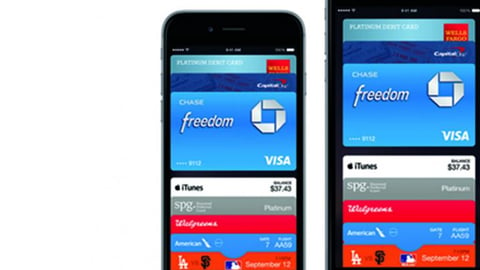
    Apple did not create the mobile payment market when it launched Apple Pay in September 2014.

    However, Apple Pay did effectively bring mobile payment to the forefront of retailers’ omnichannel commerce strategies. Consumers are slowly starting to follow, with Deloitte data showing in-store mobile payments have increased from 5% of total in-store payments 2014 to 18% in 2015.

X
This ad will auto-close in 10 seconds