
Beyond travel insurance: What companies must do to safeguard employees abroad

Business travel has always carried a certain degree of risk, but that risk becomes magnified as geopolitical tensions across the world continue to rise in 2026.
From escalating conflicts in the Middle East to cartel-driven violence in Mexico and immigration-related concerns in the United States, organizations are facing a new reality: sending employees abroad requires far more than booking flights and hotels. In the current global environment, companies must rethink their approach to duty of care. Protecting employees is no longer a reactive exercise; it demands proactive planning, real-time intelligence, and the ability to quickly response to unsafe conditions that evolve quickly.
A Risk Landscape That Changes by the Hour: Rethinking Duty of Care
Duty of care today extends far beyond compliance. It encompasses a company’s legal and ethical responsibility to anticipate risks, prepare employees, and provide support throughout their journey. This begins with robust pre-travel risk assessments tailored to each destination.
Organizations must evaluate political stability, health risks, infrastructure reliability, and the availability of local support. Employees should be equipped with the right documentation, from visas and insurance details to medical records and emergency contacts, ensuring they are prepared for both routine travel and unexpected disruption.
Preparation also includes pre-departure briefings that go beyond logistics. Employees should understand local cultural considerations, security protocols, and contingency procedures. Increasingly, businesses are also factoring in mental health, particularly for those traveling to or operating in high-stress environments such as conflict-affected regions.
However, preparation alone is not enough. Once employees are on the ground, access to real-time intelligence becomes critical. Organizations need the ability to monitor developments, communicate updates, and provide immediate support if conditions change. This includes access to vetted local partners, secure transportation options, and quality medical care. By combining preparation with in-country support, companies can ensure employees are not only informed but actively protected throughout their journey.
Evacuation Planning, Business Continuity, and the Cost of Waiting
As global instability increases, evacuation planning has become a central component of corporate risk management. Healix has seen a sustained surge in demand from organizations seeking guidance on how and when to move employees out of high-risk areas, particularly in the Middle East.
Initially, many of these enquiries were exploratory, with companies looking to understand what evacuation scenarios might involve. However, as the conflict has evolved and travel disruption has intensified, those conversations have shifted toward action. Evacuations have now been carried out across multiple countries in the region, including the UAE, Qatar, Bahrain, and Kuwait, often dealing with coordinated group movements and complex logistics under tight time restraints.
Alongside these operations, there has been a notable volume of serious enquiries that have not ultimately resulted in evacuations, as well as a constant flow of tentative queries from organizations closely monitoring the situation. This reflects a broader trend of companies no longer waiting for conditions to deteriorate fully before seeking support, they are actively scenario-planning in real time.
Two key factors are driving this trend. The first is operational disruption. Airspace closures, restricted flight paths, and intermittent airport shutdowns are making travel across the region increasingly difficult. In some locations, viable exit routes can disappear with little notice.
The second is business continuity pressure. Organizations are reaching a point where the absence of key personnel begins to impact operations. In these cases, companies are choosing to relocate staff even when the immediate security environment remains relatively stable.
This has led to a range of responses. Some organizations are maintaining staff in places where essential services, such as food, water, and medical care, remain accessible, and the security situation is manageable. Others are taking a more precautionary approach, extracting employees early to avoid the risk of being unable to do so later.
For employees with medical needs or family considerations, companies are increasingly supporting assisted relocations. In more complex scenarios, organizations are exploring contingency plans to move entire teams or temporarily shift operations to alternative regional hubs.
At the heart of these decisions is timing. One of the most significant risks businesses face is waiting too long to act. In volatile environments, conditions can change within hours - a route that is open today may be closed tomorrow, leaving employees stranded and limiting evacuation options.
As a result, companies are placing greater emphasis on identifying clear operational triggers, specific conditions that signal when to escalate response measures. These may include changes in security levels, disruptions to transportation infrastructure, or the loss of reliable access to essential services.
Organizations with lower risk tolerance or critical in-country roles are increasingly choosing to act early, prioritizing control and flexibility over delay.
Cutting Through Complexity with Trusted Intelligence
Another growing challenge for businesses is the high volume of information available during a crisis. Employees and decision-makers alike are often confronted with a flood of updates from news outlets, social media, and unofficial sources, much of which can be incomplete or inaccurate.
In this environment, access to verified, real-time intelligence is essential. Companies need clear, actionable insights that enable them to make informed decisions quickly and confidently.
This is where expert partners such as Healix provide critical value. By delivering accurate information, scenario planning, and on-the-ground support, they help organizations cut through the noise and focus on what matters most, protecting their people.
A Proactive Approach to Employee Safety
As global risks continue to evolve, one thing is clear: employee safety is now central to business resilience. Organizations can no longer rely on static policies or reactive measures. Instead, they must adopt a proactive, intelligence-led approach to travel risk management.
This means preparing employees before they travel, supporting them while they are on the ground, and making timely decisions when conditions change. It also means recognizing that duty of care is not just about responding to crises; it is about anticipating them.
In a world where disruption can unfold in real time, the companies that invest in preparation, intelligence, and support will be best positioned to protect both their people and their operations.
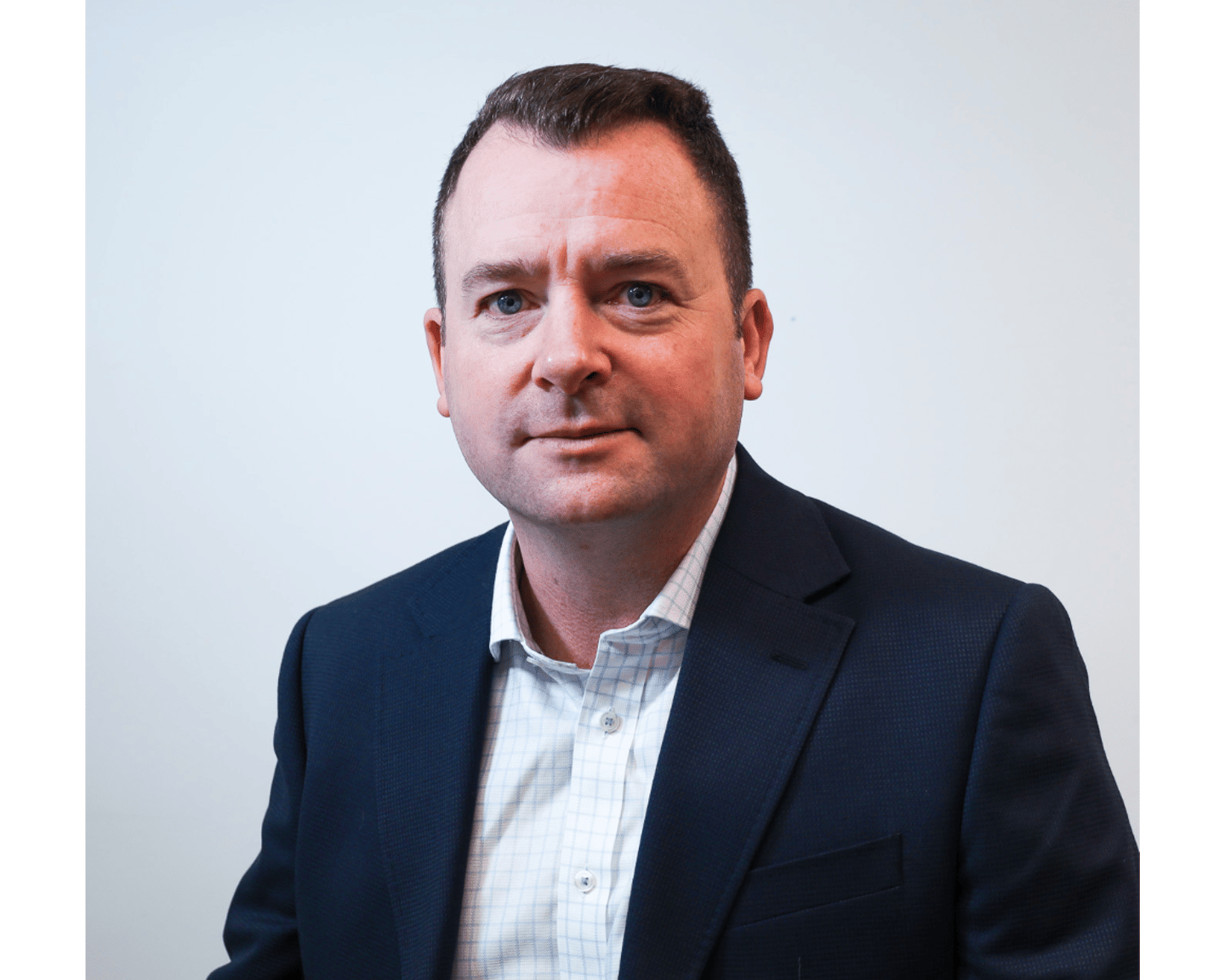
James Henderson is CEO of Healix International, a global risk management and travel intelligence organization that monitors and addresses travel disruption and safety concerns, keeping employees safe during business travel.