
Best Buy reaches key supply chain zero waste goal

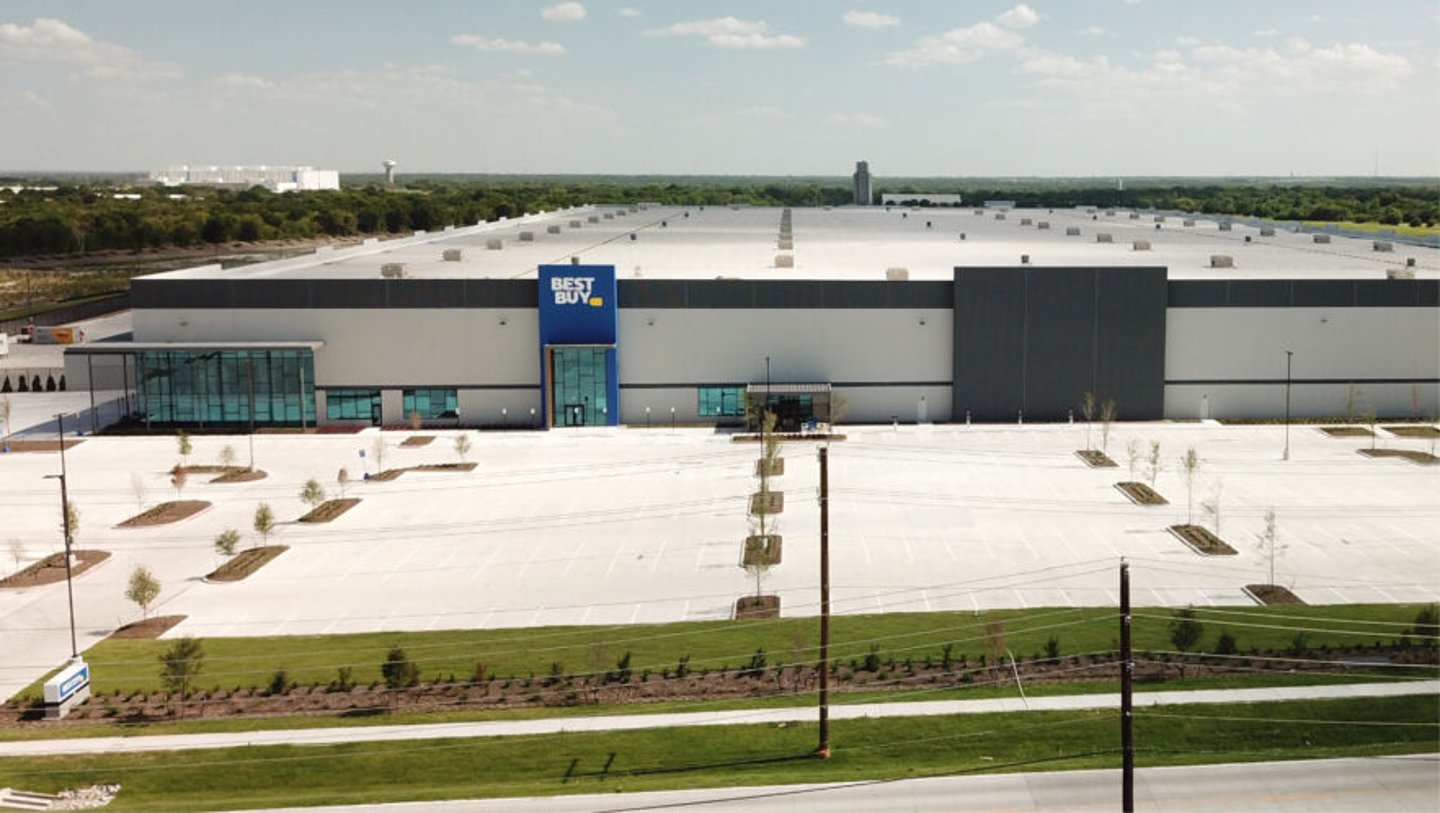
Best Buy Co Inc. has met a sustainability target it set for its supply chain facilities in 2021.
The consumer electronics giant has certified all of its 29 supply chain facilities as zero waste. Best Buy achieved TRUE (Total Resource Use and Efficiency) certification, a designation from Green Business Certification Inc., the non-profit organization behind the LEED green building rating system, by diverting more than 90% of their waste from landfills.
The company began working toward this goal in 2021, when its Chino, Calif. facility became the first Best Buy location to achieve TRUE certification for zero waste. As of 2024, 20 Best Buy supply chain facilities had received TRUE ratings.
[READ MORE: Best Buy earns zero-waste supply chain certifications]
Steps Best Buy has taken to reduce waste at its supply chain facilities include:
- Reusable pallets: Best Buy reuses pallets and totes to support the circular economy and reduce environmental impact.
- Labeled bins: Each facility has implemented color-coded waste, recycling and compost bins to make it easier for employees to sort waste correctly and help divert waste from landfills.
- ‘Green Teams’: Employee engagement is a key component of our waste reduction strategy. Employee volunteers run “Green Teams “in each facility to help support waste diversion goals and educate and train colleagues.
- Condensed Styrofoam: Throughout Best Buy’s supply chain, foam materials like Styrofoam are broken down and condensed to cubes through a densifier to increase truck capacity and make shipping more efficient. The material is then shipped to partners who repurpose it into new packaging, building materials and a variety of other products such as picture frames.
In other efforts to improve the sustainability of its supply chain facilities, a new solar field at Best Buy’s distribution center in Dinuba, Calif. generates approximately 5.87 million kilowatt-hours (kWh) of electricity each year. This solar field will power the equivalent of 559 homes. The energy generated by the system will help run the distribution center, reducing the retailer’s energy usage.
“We are proud of this milestone and the progress we’ve made in driving forward the circular economy through our zero waste goals,” said Tim Dunn, head of environmental sustainability at Best Buy. “This achievement reaffirms our dedication not only to minimize our environmental impact but also improve our efficiency for the long-term success of the company.”
Based in Minneapolis, Best Buy operates more than 1,000 retail stores in North America.

