Aptos: In-store customers’ top pain points are…

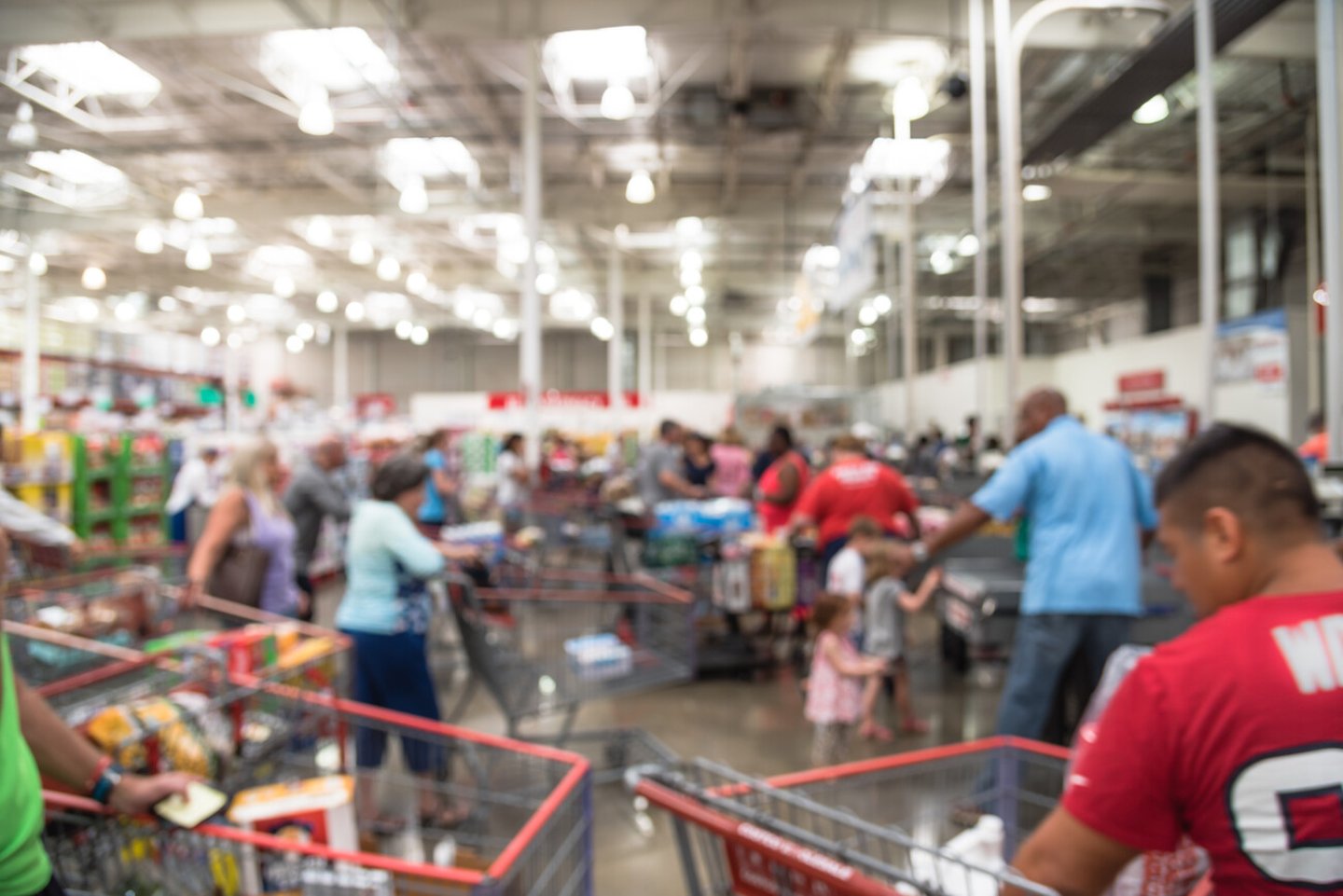
Customers shopping in stores have little patience with long checkout lines.
The most annoying in-store frustration cited by consumers is "long lines at the cash register/till" (63% U.S., 62% U.K), according to a new survey from Aptos. The second-biggest frustration of in-store shoppers is “products being out of stock or hard to find” (51% U.S., 53% U.K.).
The study, ”Making Every Moment Count: Meeting Expectations and Driving Loyalty with Meaningful In-store Experiences,” surveyed 4,000 consumers across the U.S. and the U.K. It revealed the enduring appeal of physical stores, the top operational failures that drive customers away and provides insights shifting spending habits.
The No. 1 reason consumers choose to shop in a physical store instead of online is the ability “to see, touch or try on the product before buying” (54% U.S., 61% U.K.), according to the study. The second-most important factor is “the ability to get the item immediately” (53% U.S., 54% U.K..)
Also, nearly one-fifth of all respondents visit stores multiple times a week just to browse, with no specific purchase in mind. This trend is higher among younger consumers, with 59% of 25-to-34-year-olds shopping one or more times per week without a specific purchase goal. Consumers are drawn to experiences that go beyond basic shopping. U.S. consumers prioritized a dedicated space for online order returns/exchanges (23%).
Retailers should consider how the age of their audience might affect their expectations, advised Aptos. For example, personal styling or shopping appointments appeal significantly more to the 18-24 age group (26%) than to those 65 and older (9%), signaling the need for in-store services that resonate.
“The data confirms that the physical store is not only resilient, but it also remains the centerpiece of the customer journey, driven by the desire for immediate, tactile experiences,” said Nikki Baird, VP of strategy and product at Aptos. “However, consumers are unforgiving of operational failures. Retailers must move beyond viewing the store solely as a transaction point.”
Other findings from the report are below:
•A majority of consumers (75%) say their discretionary spending will either increase or stay the same in 2026, presenting a significant opportunity for retailers that can meet expectations.
•Spending plans remain susceptible to economic factors, with 64% of consumers citing inflation and the cost of living as the top consideration that will influence their spending plans.
•Consumers are drawn to experiences that go beyond basic shopping. U.S. consumers prioritized a dedicated space for online order returns/exchanges (23%).
“Supported by modern technology, including capabilities for mobile-first point of sale, omnichannel fulfillment and unified inventory visibility, retailers can remove friction and focus on the moments that build long-term loyalty, whether that’s personalized customer service or simply a fast and convenient checkout,” added Baird.