Americans spend big on ‘retail therapy;’ here’s on what and where...

The practice of “retail therapy” is alive and well, with Americans spending thousands a year to boost their mood.
The average American makes 107 retail therapy purchases per year, according to a new survey from CashNet USA, which defines retail therapy as the act of “shopping to relieve feelings like stress, boredom or frustration. Millennials (aged 29-44) make the most (160) amount of retail therapy purchases per year, with baby boomers making the least (39) amount.
The average American spent $4,589 on retail therapy in 2025. Millennials spend the most annually, at an average of $8,259, followed by Generation Z ($5,972). Baby boomers spent the least ($989). And while the overall increase in U.S. retail therapy spending in 2025 is 7%, the rise for Gen Z spending is twice as high at 14%.
Amazon is the most popular choice for retail therapy, with 55% of Americans saying they’ve therapy-shopped through the platform. Walmart (54%) and Target (29%) are the next most popular choices.
Fast fashion also benefits from retail therapy buys, with 11% of Americans having shopped at Temu and 11% at Shein to improve their mood. Independent sellers and resellers, such as eBay and Etsy, rank lower.
Other findings from the survey are below.
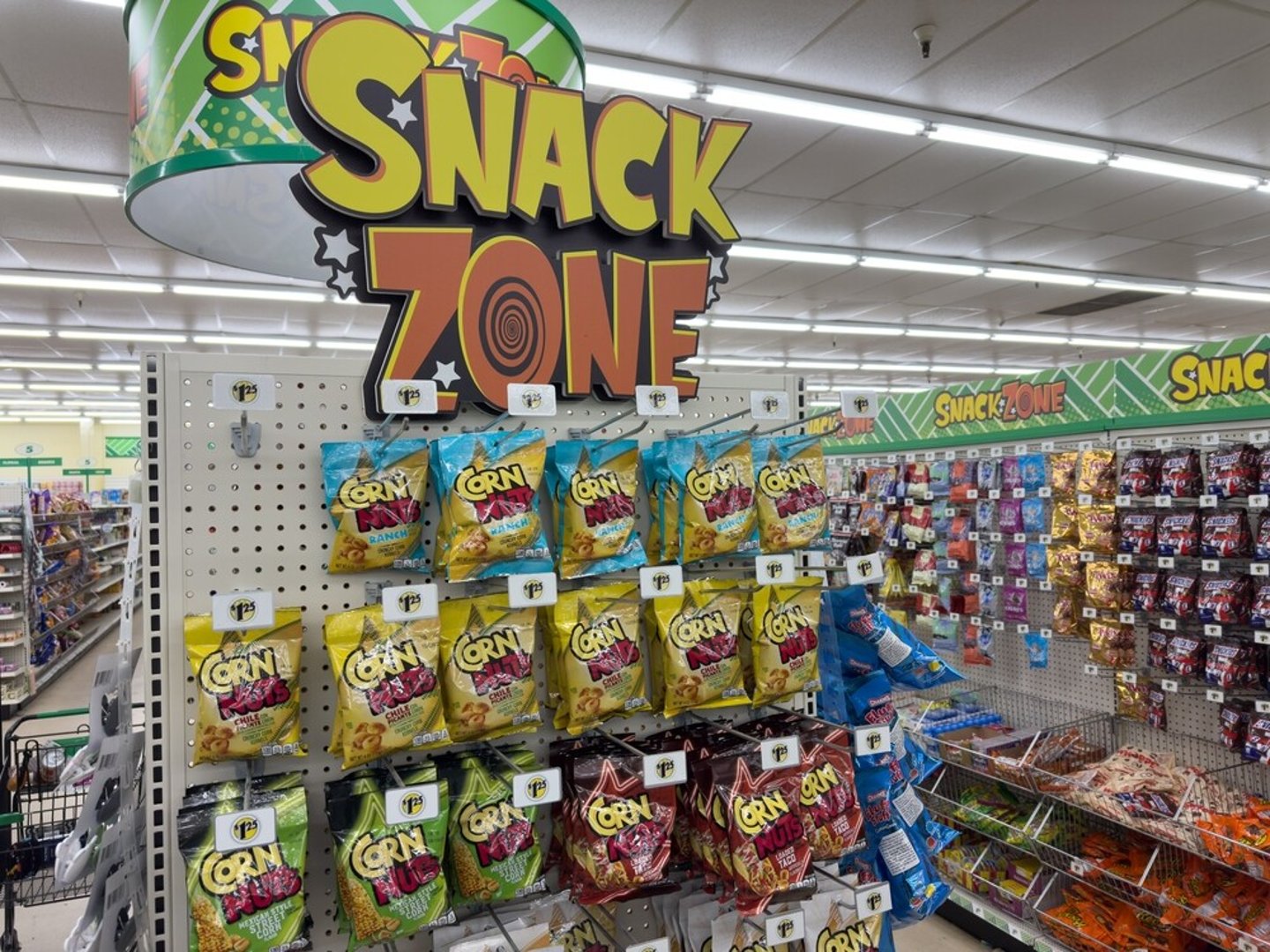
•Food is the most common retail therapy product: 67% of Americans purchase snacks and treats to boost their mood, and 49% buy takeout. A comparable percentage of male and female consumers shop for snacks and treats or takeout. But for men, the third top buy is video games (37%). For women, clothes (49%) and beauty products (40%) are the standout categories.
•The average male consumer (122 annual purchases) makes 31% more purchases than the average female consumer (93).
•Some 45% of Americans report shopping to comfort themselves after a bad day/week at work, making it the leading cause of retail therapy.
•Around one-in-six people (17%) have been driven to retail therapy by doomscrolling, giving rise to the term “doom spending” — spending compulsively to cope with feelings of dread or hopelessness (whether these feelings come from scrolling news and social media apps or real-world experiences).
Methodology
We surveyed a nationally representative sample of 2,000 U.S. residents (aged 16+) in conjunction with Censuswide, a market research consultancy that follows the Market Research Society code of conduct and ESOMAR principles.
The data was collected between Oct. 31 and Nov. 3, 2025.