
Why Termite Prevention is an Operational Imperative for Retailers

When assessing facility risks, facility managers can tend to focus on equipment breakdowns like roof repairs, HVAC units, or routine maintenance. Yet, a silent threat usually remains overlooked in the crawlspaces, attics, and foundations of commercial spaces. In the United States, termites cause approximately $6.8 billion in annual property damage, a staggering figure that can directly impact the bottom line of commercial property.
For retail operations, the true danger extends far beyond the structural wood of a building. Termites can present an operational challenge that has the potential to affect supply chains, inventory preservation, and brand reputation. Transitioning from reactive maintenance to a strategic prevention model is an essential step in safeguarding your facility.
The True Target: Cellulose, Pallets, and Inventory
A common misconception among facility managers might be that steel-and-concrete retail spaces are less susceptible to termite damage. While termites prefer to consume wood, their primary biological target is cellulose. Which is a primary component in retail essentials such as cardboard packaging, paper-faced insulation, and wooden pallets. This biological reality transforms a pest issue into a direct threat to inventory.
In a retail environment, this poses an immediate supply chain risk. Warehouses, stockrooms, and distribution centers are filled with cardboard boxes, paper-faced insulation, and wooden shipping pallets. A termite colony can rapidly move from soil or foundational entry points into storage areas, damaging merchandise and the pallets holding them before anyone notices the infestation which can lead to significant revenue losses.
Identifying Operational Vulnerabilities
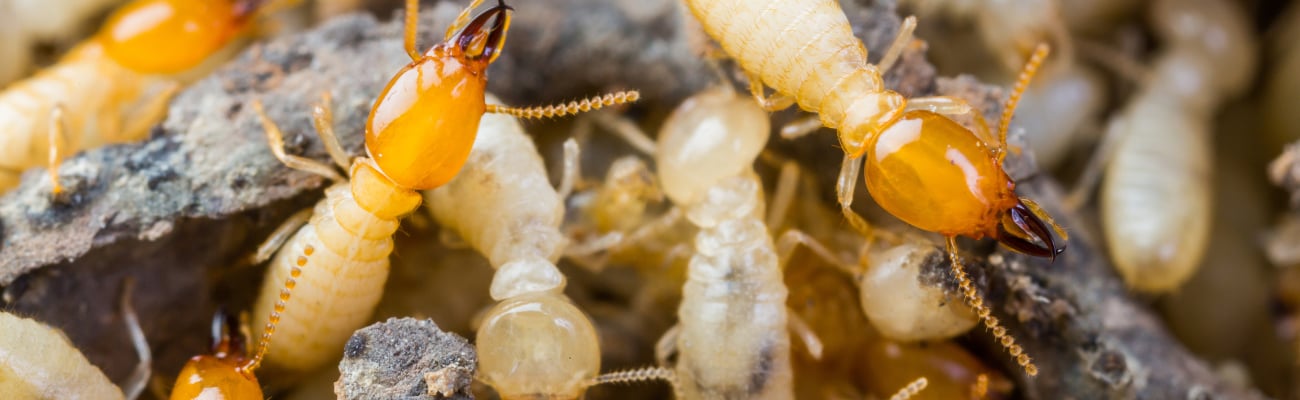
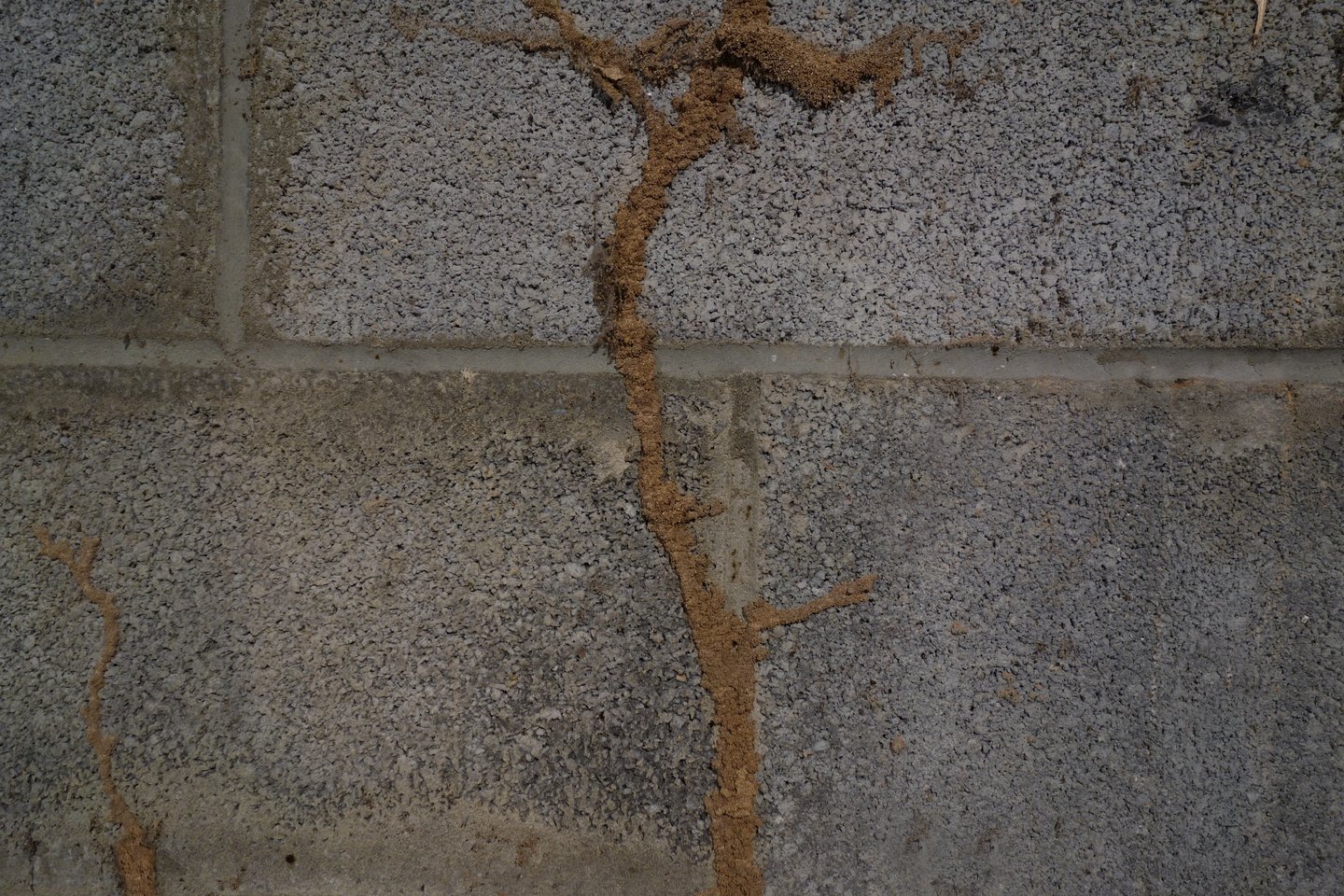
Understanding the behavior of different termite species is necessary for effective risk management. Subterranean termites, such as the Eastern subterranean termite common across the U.S., or the highly destructive Formosan subterranean termite, build mud tubes up foundation walls to bridge the gap between dirt and building structures. Formosan termites are widely considered aggressive because they can cause damage at a shocking rate due to large colonies with millions of individual termites.
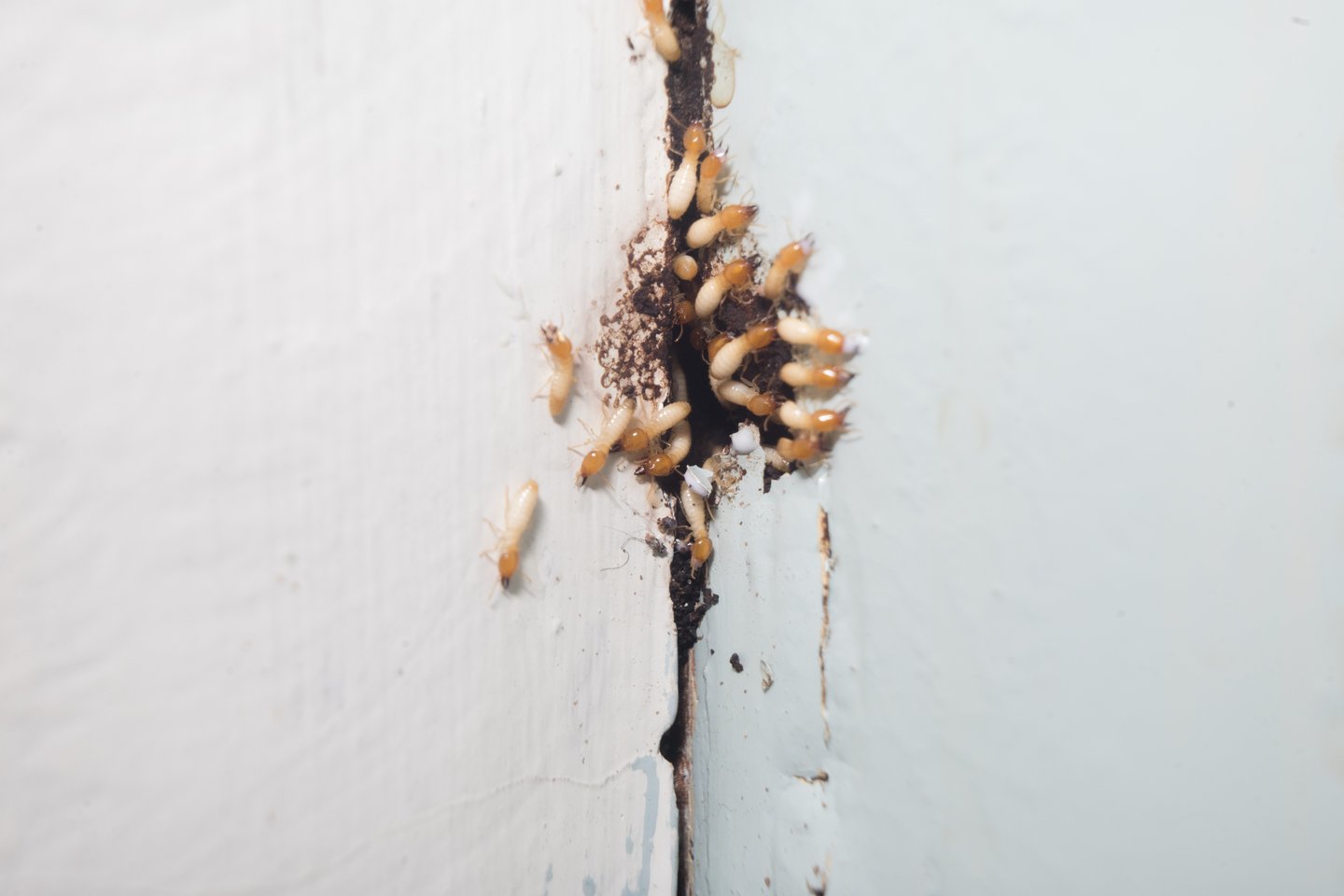
Drywood termites, such as the Western or Tropical drywood termite, frequently invade attics and upper structural elements, gaining entry through small cracks and gaps in the building structure. Crucially for retailers, drywood termites do not require moisture to survive; they can live entirely within the dry wood they infest. Meaning dry, climate-controlled inventory rooms can still be highly vulnerable. Meanwhile, dampwood termites, such as the Pacific dampwood termite, thrive in areas with high moisture content.
Retail stores can be highly susceptible to these pests due to common facility maintenance issues like undetected plumbing leaks, roof drainage failures, and moisture accumulation around HVAC units. Creating the ideal damp environment that subterranean and dampwood termites need to survive.
Strategic Prevention: The First Line of Defense
Facility managers cannot afford to wait until they find structural hollows or notice swarms of reproductive termites dropping their wings in retail displays. Once these visible signs appear, some damage could have already possibly occurred. Establishing a proactive culture where staff are trained to identify early risk indicators is vital for minimizing remediation expenses and maintaining a seamless customer experience.
Executives should implement a comprehensive, multi-step prevention strategy that focuses on these pillars:
- Moisture Management: Prioritize immediate resolution of plumbing and HVAC condensation issues to eliminate pest-conducive environments.
- Eliminate Soil-to-Wood Contact: Maintain clear separation between landscaping and foundations to remove possible entry pathways.
- Clear External Debris: Remove excess wood, fallen trees, stumps, leftover construction materials, and any cellulose based materials from the building's exterior.
- Use Treated Materials: Ensure all outdoor construction projects exposed to weather use treated wood to minimize future risk.
- Deploy Smart Monitoring: Implement a professional termite baiting and monitoring program to detect subterranean termite activity before they breach the building's envelope.
Securing Operational Continuity
By reframing termite control as a strategic asset protection measure rather than an emergency expense, retail leaders can safeguard their inventory, protect their facilities, and preserve their brand equity. Proactive prevention is not just a facilities task, it is an operational imperative.