Why great malls will thrive
In October, Cafaro executed a major strategic move. We acquired a super-regional mall for the first time in our history.
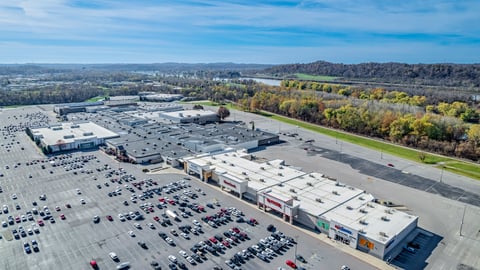
Grand Central Mall in Vienna/Parkersburg, W.Va., a 908,000-sq.-ft. property that opened in 1972, anchors its region with 90-plus tenants and stands as the sole enclosed mall within a 60-mile radius. We had monitored this property for two decades, always recognizing its potential. It represented the final viable mall in West Virginia that we did not already own.
The former Sears anchor recently underwent a significant redevelopment, creating space for new tenants including T.J.Maxx, HomeGoods, Ross Dress For Less, and PetSmart. We will retain the current anchor lineup. Our immediate capital plan targets critical infrastructure and aesthetic enhancements: we will shore up the roofing and asphalt and modernize lighting, flooring, and patron amenities. But most significantly, we will reinstate something many developers have abandoned—a dedicated, onsite staff focused on marketing
Activating the community hub
We entered Grand Central Mall with a deliberate game plan. The property currently holds the only movie theater within 50 miles, and we will aggressively pursue the addition of new entertainment and restaurant concepts.
It is a fallacy that our younger generations reject malls. In fact, they now view them as somewhat of a novelty. Gen Zers are actively seeking and spending money on experiences within malls, whether it be dining, entertainment, or sports bars. Our skilled marketing staffs excel at appealing to them and drawing them in.
The middle-market malls that Cafaro operates demonstrate their longevity. Analyzing Placer.ai data, we observe modest foot traffic growth every year, excluding the pandemic years. At some properties, we have generated exponential growth.
Companies that acquired dying malls on the cheap, merely to extract every last penny, damaged the very concept of “mall.” They delivered a black eye to the entire industry. Conversely, malls with great repeat traffic, owned by serious developers who re-invest in their properties and monitor consumer trends, will continue to dominate. Retail ultimately comes down to understanding what remains relevant to the communities it serves.
Tailoring the investment
The malls we operate continue to serve as the vibrant “downtowns” of wide-swath, middle markets. We regularly study each individual market to uncover new opportunities and options that will keep them both relevant and exciting for local populaces. I would venture to say that our mid-market malls are performing as a more vital resource to customers in those marketplaces than they may have ever been.
This is not a cookie-cutter proposition. What we execute in Dubuque, Iowa, differs from the strategies we implement in Fredericksburg, Virginia. Market demands mandate different approaches. In some markets situated near larger metros, we might integrate multifamily residential or office space into the property. In less densely populated markets, that is a consideration we would likely bypass.
We continue to inject our malls with new options that cause visitors to spend more time with us. Well-located malls will not only survive but strengthen, so long as ownership commits to continuous, strategic reinvestment.