Study: Very few retailers offer 'unconditional' free shipping; costs average...

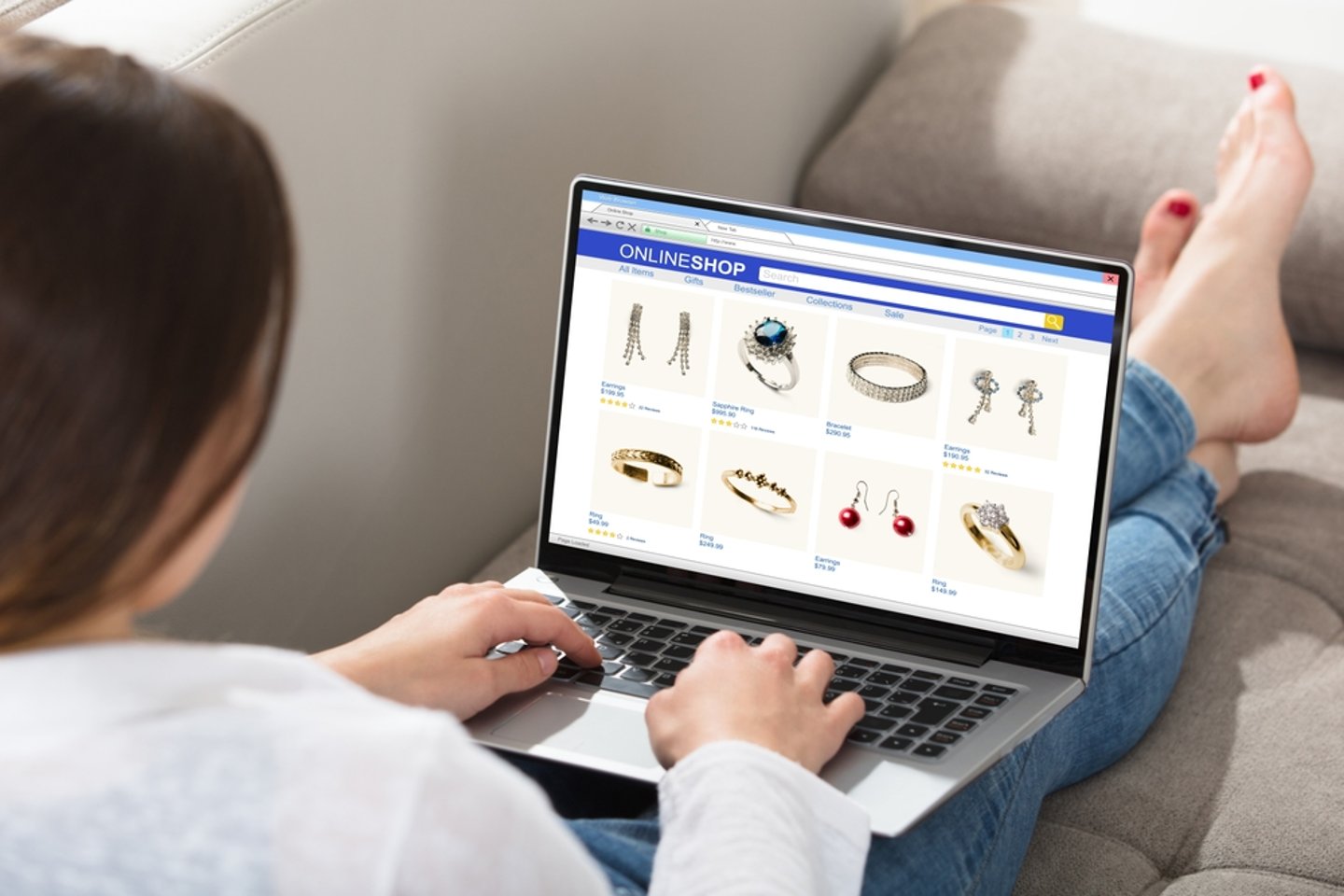
Retailers could be doing more in the post-purchase and checkout process to retain online consumers.
Free shipping is rare, delivery dates are often vague, and return policies are mixed, according to a new report from e-commerce solution providers ParcelLab and ShipStation. The study evaluated the country’s top 57 online retailers across electronics, fashion, homeware, health & beauty, and multi-category segments, tracking every step after consumers click the “buy now” tab.
Only 14% of retailers in the study offer unconditional free standard shipping. For the remaining 86%, shipping comes at a cost, typically between $5.00 and $10.00. The most common price range is $5.00 to $7.99, charged by approximately 39% of retailers. About 26% charge between $8.00 and $9.99. Shipping fees above $10 are relatively rare, as are ultra-low rates under $5.00.
Shipping costs vary significantly by product category, according to the study. Electronics are the cheapest to ship, with an average fee of $5.49, lower than any other category.
Homeware is also relatively affordable, with an average of $5.82, while health & beauty averages $6.97, while multi-category retailers come in at $7.60. The most expensive category is fashion, where customers pay an average of $8.07 for standard shipping when ordering apparel.
[READ MORE: Survey: Website speed, design, security key for online shoppers]
Nearly two-thirds of retailers provide a specific delivery promise on the product detail page, either as a range of business days (e.g., “3-5 business days”) or as a fixed calendar date. Another 21% offer a date range (e.g., “between May 5 and May 7”). However, fewer than 9% commit to a definitive “by” date, promising that the product will arrive no later than a specific day.
Other findings from the study are below.
Nearly six-in-10 (58%) of the retailers in the ParcelLab and ShipStation study offer expedited shipping for an additional fee, giving customers the option to receive their orders faster than with standard delivery. However, roughly 42% of retailers do not offer any express option at all, regardless of product category or order value.
When it comes to product returns, the study found that around 60% of retailers allow returns within a maximum of 30 days. Roughly one-third offer more generous policies, with return windows of 60 or even 90 days, with only a few retailers standing out with notably flexible policies. Nordstrom places no time limit on returns, while Chewy offers an especially customer-friendly 365-day return window.
Retailers with broad assortments (multi-category) offer the most generous return timelines, averaging 78 days. Homeware retailers follow with an average of 56 days, while health & beauty allows for about 48 days. Fashion retailers fall in the mid-range with an average return window of 45 days, while electronics retailers are the most restrictive, offering just 24 days on average.
While free shipping remains rare in the U.S., just over half of the top online retailers do offer free returns. In the study, half of the retailers did not charge any return fees. The remaining 49.1% pass the cost on to customers in various ways: About 26.3% deduct the return fee directly from the refund amount, while another 14% require customers to organize and pay for the return themselves. A smaller number (8.8%) offer return labels for purchase via an online portal.
“The post-purchase experience is one of the most emotionally charged - yet overlooked – parts of the customer journey,” said Anton Eder, co-founder at ParcelLab. “Getting it right not only builds loyalty but reduces service costs and drives repeat sales.”
