
Placer.ai: Walmart traffic is riding high while Target struggles


Walmart and Target both ushered in new CEOs this month – but the two executives are starting from very different positions.
Walmart is riding a wave of strength, supported by positive visitation trends and solid comparable sales growth, while Target continues to struggle to regain momentum amid softer demand. Recent foot traffic data reveals the distinct challenges – and opportunities – facing each leader as 2026 gets underway.
Walmart
After posting declines in visits in every month of last year’s first quarter, America’s largest retailer made a second-half surge and closed Q4 with foot traffic up 2.3% year over year, according to Placer.ai. For the 13-week period ending Oct. 31, 2025, the company posted 4.5% U.S. comparable sales growth, driven by both higher transactions and larger baskets. Its online business remained the primary growth engine, garnering posting sales up a robust 28% year over year.
Walmart’s recent performance puts new CEO John Furner in a position of strength. Traffic and sales gains support his focus on value, digital growth, and higher-margin revenue streams like advertising – though maintaining store performance and margins will be critical as those efforts scale.
Target
Target’s new CEO Michael Fiddelke faces a more complex reset. In its third-quarter earnings report, the retailer posted a 2.7% year-over-year decline in comparable sales, driven by a 3.8% drop in in-store comps as discretionary categories softened.
Foot traffic declined at Target through the second half of 2025, with year-over-year visit declines in every month except October, and Q4 visits down by 2%. While traffic ticked up in January 2026, that improvement was likely influenced at least in part by the extra Saturday this year and should be interpreted cautiously.
READ MORE: Target sales fall as its ends ‘challenging’ year;’ new CEO cites ‘momentum’
For Target, the data suggests that a sustained recovery will depend on the effectiveness of Fiddelke’s turnaround strategy, which centers on sharper merchandising curation and improvements to the guest experience. Target’s renewed focus on merchandising curation and in-store experience appears aimed at reengaging discretionary shoppers more likely to shop on weekdays, when visits inched declined by 1.3%. Its weekend sales took the hardest hit, with a shopper decline in excess of 6%.
Walmart, meanwhile, posted relatively consistent visit trends across the entire week. The chain posted an increase of almost 1% Monday through Friday and weekends in 2025, while its weekend traffic fell by just 0.6%.
Department stores vs. off-price retailers
Pre-COVID, department stores held a slight edge, capturing just over half of visits to the two segments. But by 2025, that relationship had fully reversed, with off-price claiming a remarkable 62.9% share of visits.
As consumers grow more price-sensitive and the retail landscape becomes more bifurcated, traditional department stores have struggled to articulate a clear competitive edge – while off-price continues to benefit from a straightforward, discovery-driven model, according to Placer.ai.
Department stores have been conceding its lead over off-price retailers since it drew 52% of traffic between the two segments in 2019. Since then, off-price stores have been eating away steadily at the lead, giving the category a near two-thirds majority of customer visits in 2025.
Ross Dress for Less led the group with per-location visit growth ranging from 11.5% to 7.5% between October 2025 and January 2026. Some of that strength reflects easier baseline comparisons, but the scale of the gain still signals durable demand. Burlington delivered 9.4% overall visit growth even as per-location visits were essentially flat at -0.3%, a pattern consistent with rapid store expansion paired with steady interest at existing locations.
All four major off-price players expanded their footprints over the past year and, in each case, overall visit growth outpaced per-location gains. Burlington delivered 9.4% overall visit growth even as per-location visits were essentially flat at -0.3%, a pattern consistent with rapid store expansion paired with steady interest at existing locations.
Meanwhile, T.J. Maxx and Marshalls turned in low single-digit gains while lapping a strong prior year: T.J. Maxx grew 2.1% per-location and 2.8% overall, while Marshalls rose 1.6% and 3.3%, respectively.
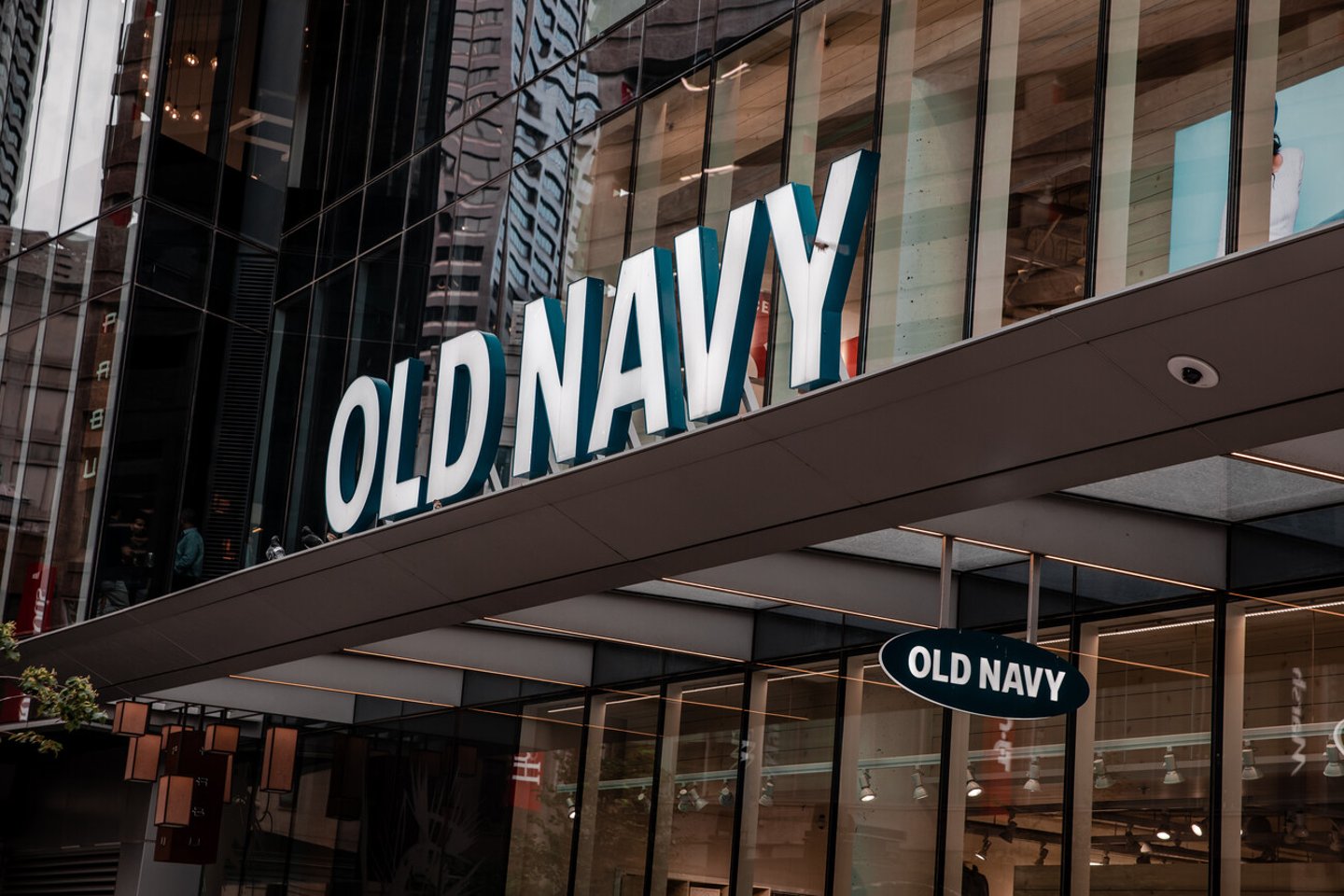
Gap vs. Old Navy
Traffic momentum built at Gap Inc. With the exception of a brief dip in December – likely driven by holiday demand pulling forward into November, along with one fewer Sunday compared to 2024 – year over year company-level visits remained consistently positive over the past six months.
Throughout the period, same-store visits slightly outpaced total traffic, reflecting a more optimized fleet following the closure of several underperforming stores over the past year. Gap Inc.’s robust traffic patterns also align with recent earnings commentary showing positive company-level in-store comparable sales in Q3 2025 and improving execution across Gap’s leading brands, as the company continues its strategic reset.
In Q4 2025, Gap slightly outperformed Old Navy on a quarterly basis, with banner-level traffic up 1.6% year over year, compared with 1.2% at Old Navy. However, Old Navy delivered more consistent monthly gains throughout the analyzed period – including in September, when Gap experienced a
modest decline.
Gap’s traffic trends were notably more variable, with a stronger year over year lift in November, likely reflecting the brand’s greater sensitivity to seasonal storytelling and early holiday demand. This responsiveness was especially apparent on Black Friday, when Gap visits surged 504.4% above its 2025 daily average, compared with a still robust but more measured 436.4% increase at Old Navy.
Old Navy’s smoother monthly performance likely reflects its role as the portfolio’s stability engine, with value-driven and replenishment trips supporting steady traffic throughout the year. Gap, on the other hand, appears to fulfill a more discretionary function, with visits responding more sharply to merchandising, marketing and holiday timing.