
NYT: Sears facing its final days

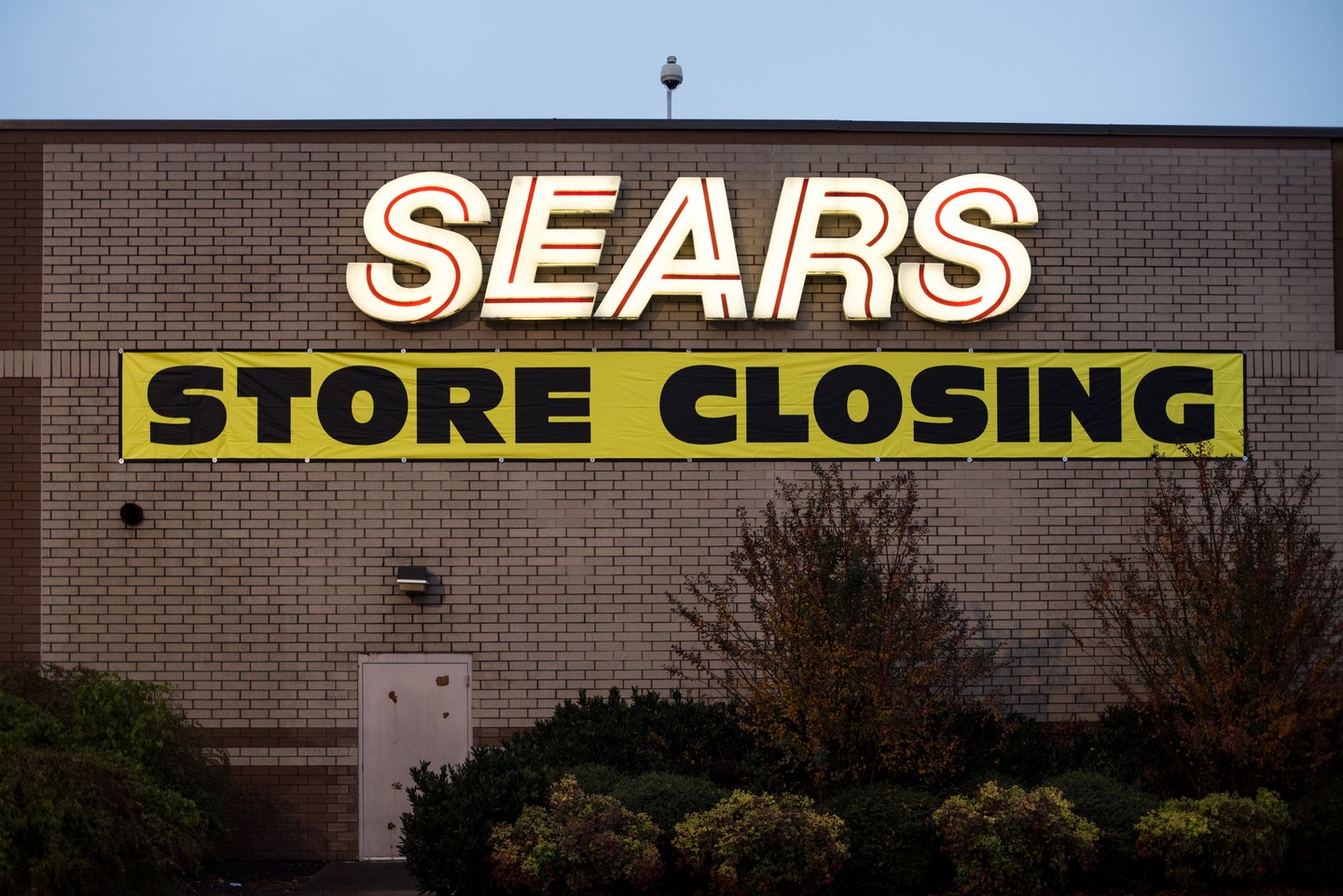
The Chicago-based mail-order phenomenon founded by Richard Sears and Alvah Roebuck in 1892 that grew to be the largest retailer in the United States is about to fade from the scene, according to one of the nation’s leading newspapers.
In a piece titled “Why Sears’s Last Great Hope Was a Promise That Never Materialized,” the New York Times reported that Seritage Growth Properties — the real estate investment trust founded by Edward Lampert to derive value from of Sears’s vast retail real estate holdings — is offloading the last of its assets to pay down a $1.6 billion term loan from Berkshire Hathaway.
“The goal is to sell the remaining Seritage assets as quickly and profitably as possible, but we are also very open to an alternative transaction that could enhance shareholder value,” Adam Metz, chief executive of Seritage, told the Times.
Sears owned most of its 3,400-plus stores when Lampert bought it out of bankruptcy in 2003 with the goal of repurposing the chain’s vast property holdings. Within a decade of Seritage’s purchase of Sears, its sales had dropped off markedly and Lampert sold hundreds of stores to Seritage.
In the first years of Seritage’s formation, the fund’s shares sold for more than $50. Today, they are trading at $4, reported the Times.
Lampert installed himself as Sears’s chief executive while remaining as the chairman of Seritage. This arrangement put him on both sides of the Seritage transactions and generated lawsuits filed by Sear’s creditors after the company filed for bankruptcy.
Sears’s standing, meanwhile, was aggressively hobbled by the expansion of big box retailers such as Walmart and Home Depot, as well as the flourishing outbreak of online shopping. Lampert countered with a strategy to compete with Amazon, but Sears’s longtime customer base still preferred shopping in person, according to the Times.
In 2018, Sears filed for bankruptcy with more than $11 billion in losses and just 700 stores remaining in place.
In recent years, with available retail space at an all-time low, Seritage sought to take advantage of higher real estate values for its properties. But the plan didn’t pan out for the REIT.
“By the time Seritage got started, it was a decade too late to extract the most value possible for these assets,” said Brandon Svec, the national director of analytics for the real estate information provider CoStar.