5Qs for KC Bills on the masterminding of today’s grocery-anchored centers

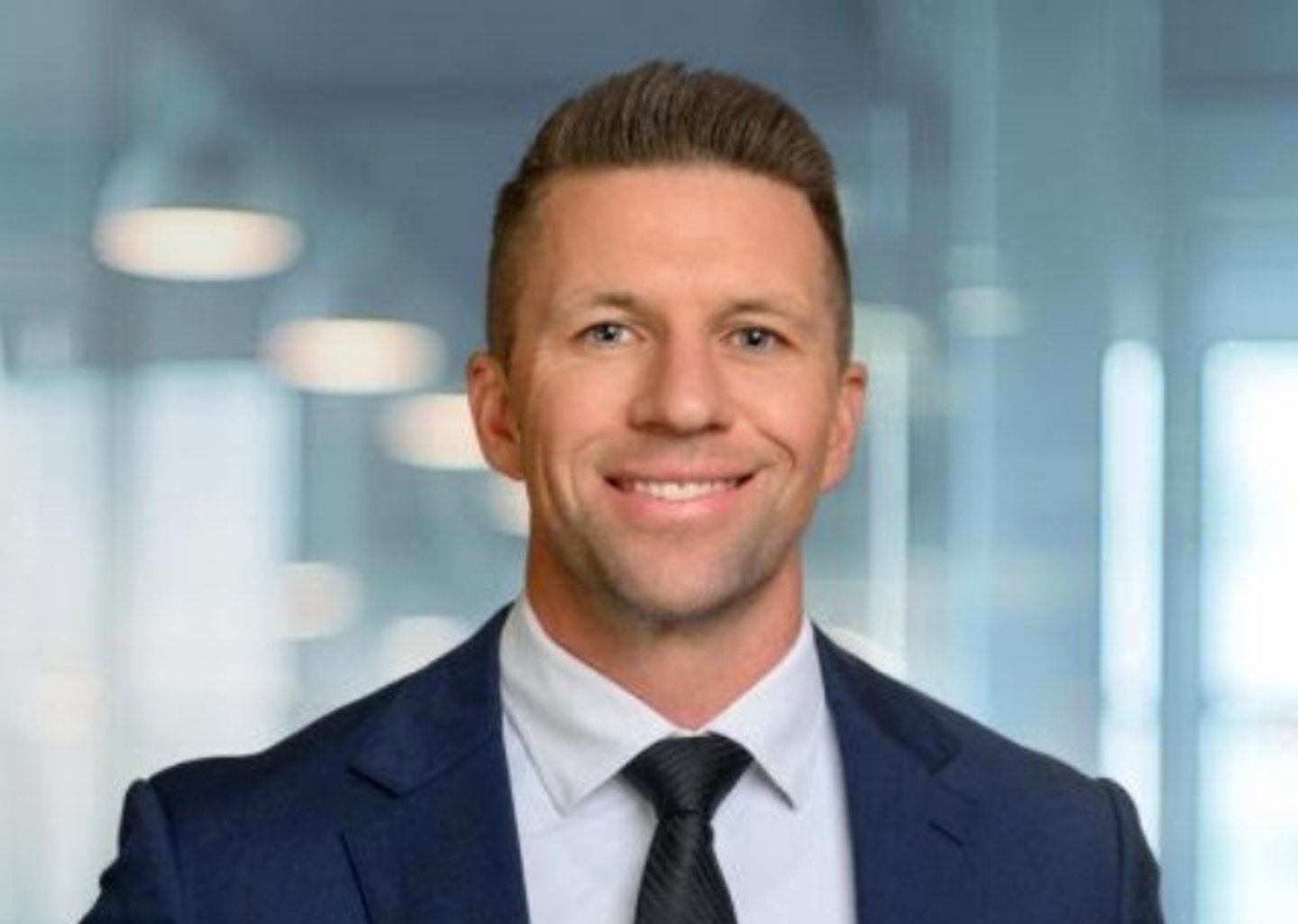
Twenty years ago, KC Bills (no periods on the K or C) got to know grocery-anchored shopping centers at one of the best places in the nation to do so — Phillips Edison & Company, which owns and operates more than 350 centers nationwide.
After nine years at the Cincinnati-based developer, during which he ran the company’s center in Texas and the Southwest, he took a position at Westwood Financial, the operator of some 125 centers clustered in leading South and Southwestern markets. Today, he is Westwood’s CEO.
KC, Westwood’s properties tend to be heavily clustered around major metros such as Los Angeles, Scottsdale, and Dallas, where different neighborhoods hold distinctly different populations. Are your centers curated to serve populations just within three miles of your centers?
Yes. What’s interesting is that within those three miles, each market is unique and nuanced. We try to adapt to trends in specific markets and stay innovative with the tenants we bring in.
We’ve historically been focused on high-growth markets like the ones you’ve mentioned, many of which are located in the Sunbelt. Since 2020, Sunbelt states like Texas, Florida, Georgia, Arizona and North Carolina have been the primary engine of U.S. population growth, and as households relocate and establish routines, they need grocery stores, pharmacies, fitness studios and restaurants.
What are some tenant categories that are hot now?
Recently we’ve been doing a lot of medical service tenants and we spend a lot of effort, as well, on what small food and beverage concepts work best in different locations. Different types of restaurants work better in different centers.
With consumer trends like health and wellness rising, we’ve definitely seen an uptick in wellness-focused brands, boutique fitness concepts, and things along those lines. It’s funny, because over my career, I spent lots of time arguing with grocers over fitness tenants on properties, but that has subsided now, and the bigger fitness brands tend to draw in a lot of members throughout all times of the day.
What other tenant types demand special curation for different neighborhoods?
Our food and beverage tenants have to be carefully chosen for local customers. There are different salad concepts and even soda shops that work better in specific markets. We’ve been really surprised that McDonald’s has been hot in a lot of our centers. Other categories that we are adding in many centers are arcades and trading card shops.
Why do you think neighborhood retail centers continue to matter?
Today’s shopper is increasingly seeking convenience. While there are so many things you can shop online for, you still need to do things like pick up a prescription, get groceries, attend a workout class, grab dinner, etcetera. A great neighborhood center is your one-stop shop for all of the above.
That combination of necessity and experience is what makes neighborhood retail so resilient, and curating a strong tenant mix that addresses both categories is at the core of what we do.
What are you looking for in an acquisition today that you might not have five years ago?
For every acquisition opportunity, we want a strong grocer, high occupancy, good demographics and a durable location. We’re also more focused than ever on the growth opportunity within the real estate.
We’re looking harder at whether rents are below market, whether the shop space has pricing power, whether there are pads or other ways to create density, and whether the tenant mix can be upgraded over time. We’re also more focused on the quality of the trade area - not just demographic growth, but whether retailers actually want to be there.
So I’d say we’ve expanded from asking, ‘How safe is this net operating income?’ to asking, ‘How safe is the NOI, and how many different ways can we grow it?’ The best acquisitions for us today have both - a durable grocery-anchored base with multiple levers to grow NOI.