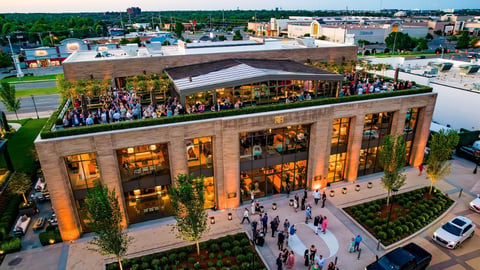
5Qs for Atlantic Residential on how retail shapes mixed-use success

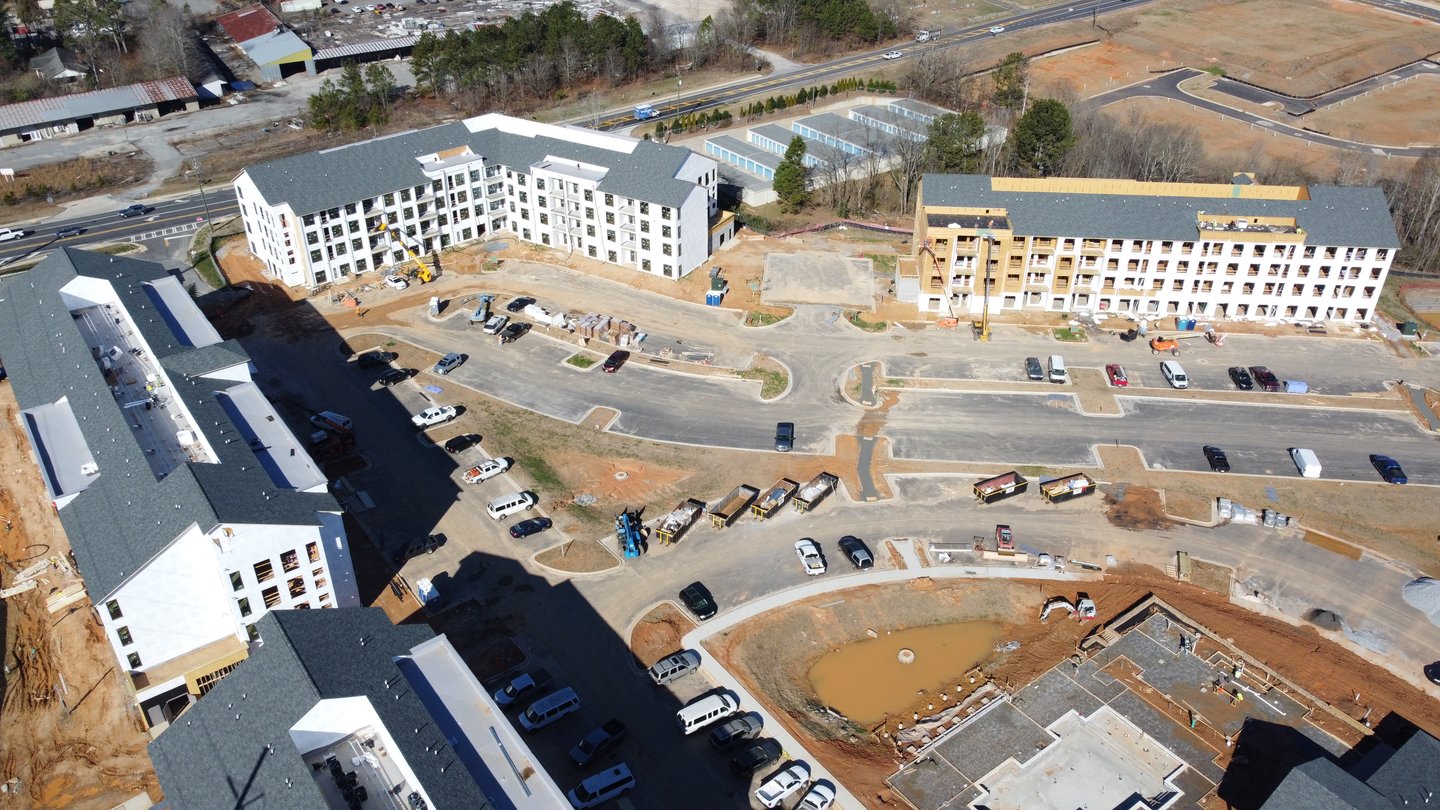
The Crossing at Coal Mountain — a new 140-acre, retail-anchored mixed-use development in Georgia’s North Forsyth County — combines a mix of national and local retailers, restaurants, and luxury homes in North Georgia.
Richard Aaronson, co-founder of its developer, Atlantic Residential, and its development chief Kecia Tomlin spoke with Chain Store Age about the vital placemaking role retail plays in the success of such projects in growing, high-income locations.
What are the underpinnings of such a bold development in a tertiary market?
Aaronson: A true town-center environment isn’t the old school style mall or strip retail. It is a place that is intentionally designed, is pedestrian friendly, has active green spaces and year-round events and public areas that encourage people to stay and linger.
Balancing this vision with municipal expectations can be tricky. The key is to show municipalities how residential density fuels these restaurants, retailers, and public spaces and supports the broader community.
How difficult is it to design a project that meets the needs and wants of both local officials and residents?
Aaronson: Having conversations with municipalities regarding density is important, especially in markets where they may resist it. The goal is for developers to show how adding multifamily or townhomes support the amenities that residents of the surrounding community say they want. We had to communicate to the municipality how such a project generates the tax base that can help improve local infrastructure, parks, and public schools.
How did you satisfy local officials yet still meet the density and economics that are required to secure those tenants?
Aaronson: At The Crossing at Coal Mountain, the development team is prioritizing anchoring the project in local identity. It’s a close-knit, tertiary market, which is an area where residents can often be skeptical of growth.
Actively courting well-established local restaurateurs matters. Think of the restaurants that have owners who live in and have deep ties to the community. They bring familiarity and a sense of continuity to the project. That said, national brands also play a big role in attracting visitors from outside the immediate area to the destination.
Tomlin: Yes. That can help soften concerns about “outsider” development and can also strengthen long-term community connections. When cities understand that blending local concepts with national operators requires a certain level of density, they are often more receptive to approving the mixed-use residential components.
How do you create a place that belays local concerns about population growth and traffic that can attract more retail tenants?
Tomlin: Think of it in phases. The first phase of any mixed-use environment must consider the daily needs of its users. That means the wellness concepts, the service retail, the boutique fitness options, or family-friendly dining options — uses that the local population can support right away.
Developers have to think about designing a project in a way that sets the stage for those higher-end tenants as the market matures. Are they prioritizing pedestrian-oriented layouts? Making sure there is enough residential density to grow the trade area?
In emerging markets, which types of retail and restaurant concepts are gaining the most traction?
Aaronson: Wellness-focused concepts such as boutique fitness studios, pilates, med spas, and other similar service-based businesses, continue to perform well. The reason for this is because of how often they are used as well as their ability to draw local — often repeat — traffic and not rely on one-off visits. Another trend is fast-casual and health-forward dining options.
Tomlin: Developers are also seeing a continued interest in experiential concepts ranging from golf simulators to game show attractions and escape rooms. Experiential food-and-beverage concepts, like breweries for example, are also resonating, especially in family-oriented suburbs with outdoor spaces and community events.