$3.5B Salt Lake City mixed-use development to feature retail, possible MLB stadium

A massive mixed-use development is planned for Utah’s capital city as the state continues to grow its population.
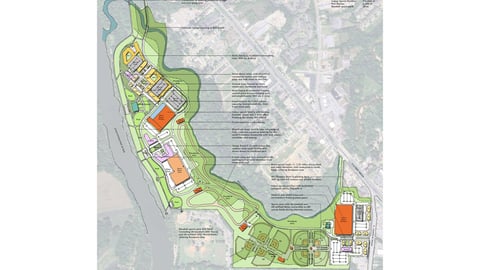
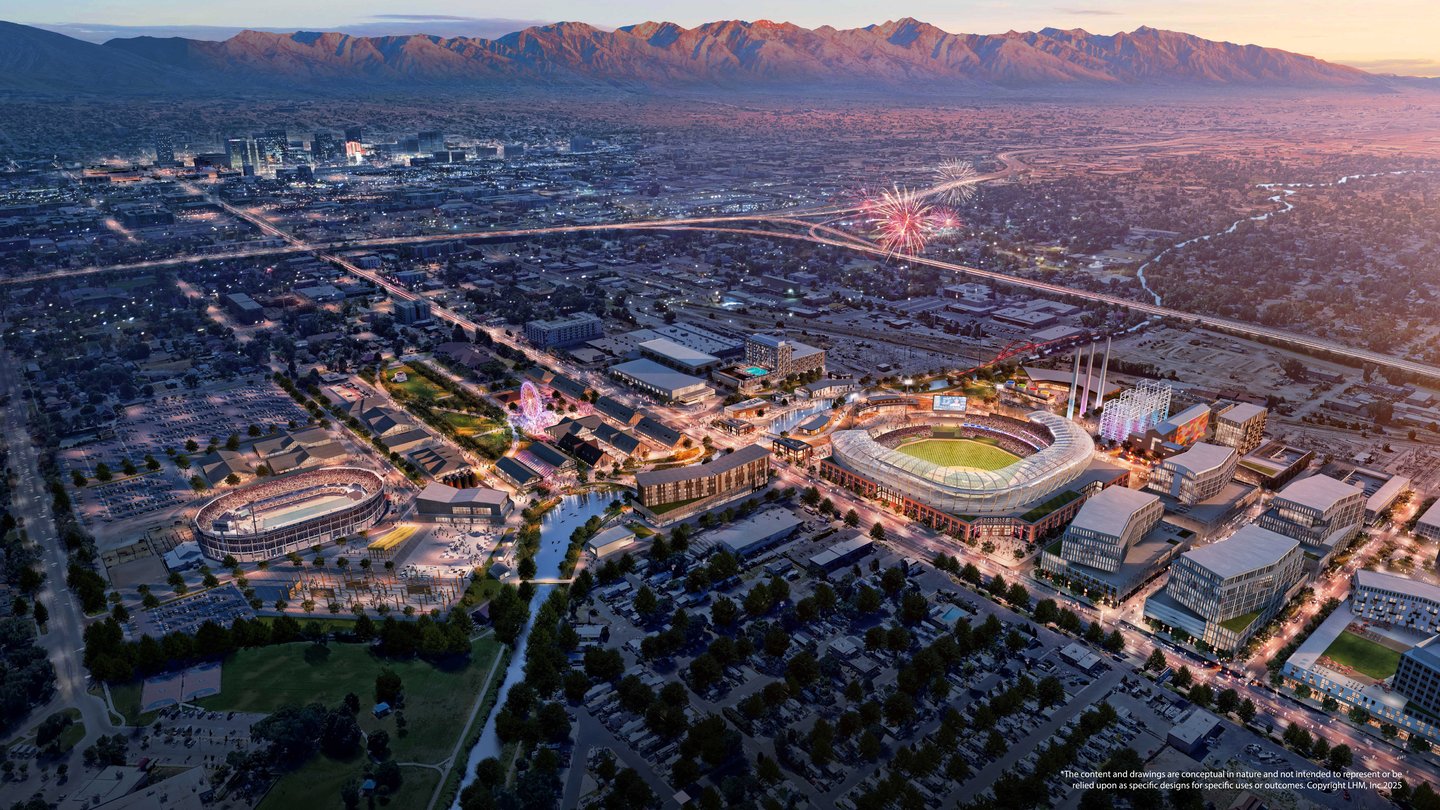
Larry H. Miller Real Estate and urban design firm Field Operations will create the Power District within a half-mile stretch of the Jordan River on the west side of Salt Lake City. The development represents a $3.5 billion-plus private investment to “revitalize and reactivate” a section of the river into an accessible community resource that features retail, housing and more.
"Bringing the Jordan River to life along this one-mile loop is a once‑in‑a‑generation opportunity to invest in this critical Utah asset," said Steve Starks, CEO of the Larry H. Miller Company. "Together with our partners and neighbors, we will create a safe, welcoming place for families, expanding access to nature, and building a vibrant gateway to Utah's capital city."
[READ MORE: First Look: New grocery concept opens at Utah City development]
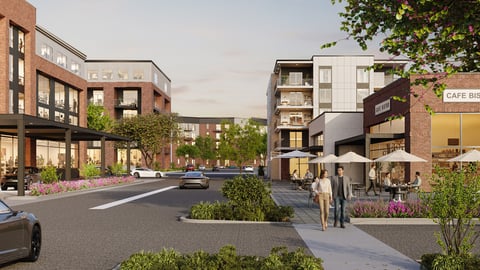
As part of the 100-plus acre plan, the Power District will feature 320,00 square feet of retail, 1.3 million square feet of office space, 4,700 housing units, Rocky Mountain Power’s new 300,000-sq.-ft. corporate campus, riverfront restoration, walkable, mixed-use environments and more. The plan also includes potential space for a Major League Baseball ballpark, should the league expand in the near future.
-
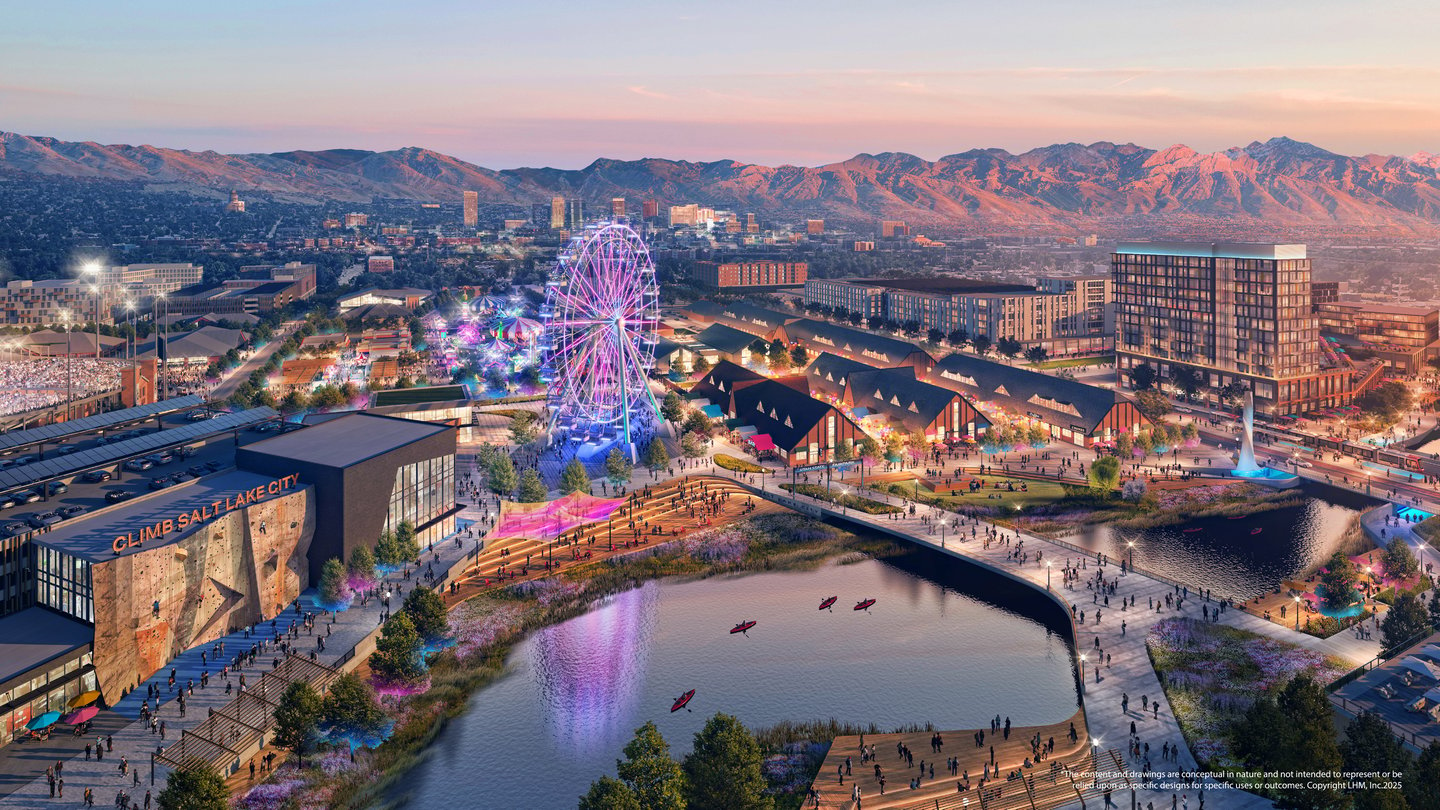 Rendering courtesy of Larry H. Miller Real Estate.
 -
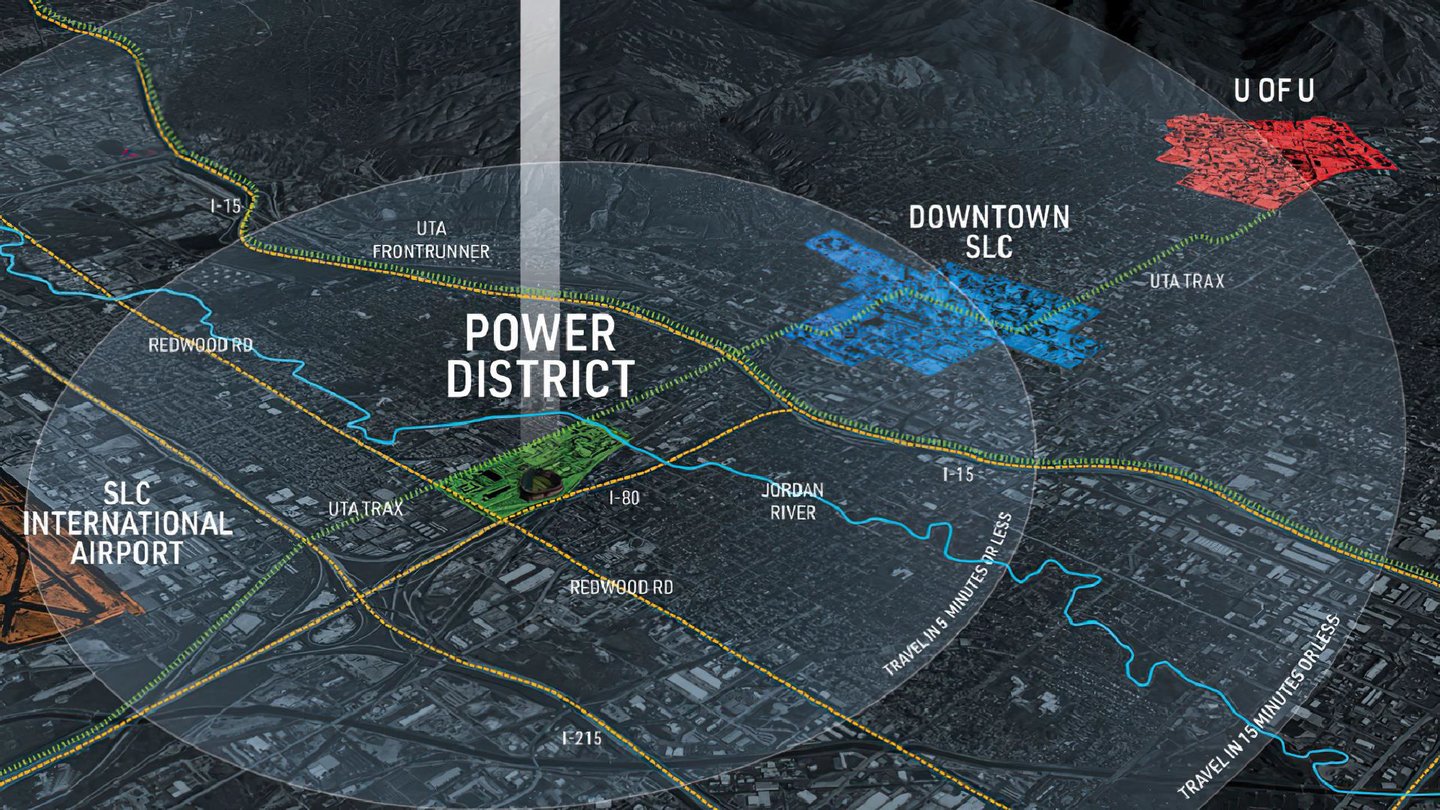 Rendering courtesy of Larry H. Miller Real Estate.
"Our approach begins with listening to the community and working closely with partners, while grounding the design in the realities of the river's ecology and infrastructure," said Richard Kennedy, partner at Field Operations. "Field Operations has a long history of helping cities transform overlooked natural corridors into meaningful public spaces, and we're excited to bring that perspective to the Jordan River. It's a privilege to support a project that reflects the region's values and elevates the Jordan as Utah's great urban river."
Utah is one of the nation’s fastest-growing states, with its population expected to increase from nearly 3.6 million residents in 2025 to 5.6 million by 2065.